
Contents
When a sewage cleanup backup occurs, knowing how to respond effectively can minimize damage and health risks. You need to quickly assess the situation and take immediate action to control the problem. From shutting off the water supply to wearing protective gear, each step is essential. Understanding the best emergency plumbing solutions can save your home from further complications. Let’s explore the most effective strategies to manage this unpleasant situation.
Key Takeaways
- Identify the source of sewage quickly to determine the appropriate emergency response and inform professionals effectively.
- Shut off the main water supply to prevent further flooding and assess the extent of the sewage backup.
- Utilize heavy-duty equipment such as submersible pumps and wet/dry vacuums for efficient water extraction.
- Implement high-capacity dehumidifiers and fans to control moisture and prevent mold growth during the cleanup process.
- Contact professional sewage cleanup services for safe and thorough remediation and guidance on future preventive measures.
Assessing the Situation Quickly
When you encounter a sewage backup, it’s vital to assess the situation quickly to minimize damage and health risks. Start by identifying the source of the backup; this helps determine the appropriate emergency response. Look for visible signs, such as overflowing toilets or sewage pooling in your basement.
Take note of the affected areas and the extent of the contamination.
Next, evaluate the potential risks involved. If the sewage is mixed with floodwater, the situation may be more hazardous due to contamination. Confirm everyone in your household is safe and avoid contact with the sewage.
A quick assessment also involves checking your home’s plumbing system. Identify any compromised pipes or fixtures that might’ve contributed to the issue.
Document your findings; this information will be important for professional plumbers and insurance claims. A swift, informed response can greatly reduce health risks and property damage.
Shutting Off Water Supply
After evaluating the situation and ensuring everyone’s safety, the next step is shutting off the water supply.
Locate the main water shut-off valve in your home; it’s usually found near the water meter or where the main line enters your property. Turning this valve clockwise will stop the flow of water, preventing further flooding and damage.
If you encounter an emergency, you might also need to utilize emergency valves located near appliances like your washing machine or water heater.
Familiarizing yourself with these valves ahead of time can save precious minutes during a crisis.
Always keep a wrench handy in case the valves are difficult to turn by hand.
Remember, knowing how to shut off your water supply is an essential skill for every homeowner.
It’s a proactive measure that can minimize damage and expedite the cleanup process, allowing you to regain control of your space swiftly.
Wearing Protective Gear
Protective gear is vital during sewage cleanup to safeguard yourself from harmful contaminants. Without the right equipment, you expose yourself to bacteria, viruses, and toxic substances.
Here’s what you need to wear:
Protective Clothing: Opt for heavy-duty coveralls or rubber suits that can prevent direct contact with sewage. Verify they’re waterproof for maximum protection.
Safety Goggles: Wear safety goggles to shield your eyes from splashes and airborne particles. Clear vision is essential in these hazardous situations.
Gloves and Boots: Use thick, waterproof gloves and rubber boots. These will keep your hands and feet safe while you work through contaminated areas.
Taking these precautions protects your health and fosters a sense of community responsibility.
By equipping yourself properly, you’re contributing to a safe environment for everyone involved in the cleanup process.
Stay safe, and remember, preparation is key.
Containing the Sewage Spill
Containing a sewage spill is crucial to prevent further contamination and protect public health. To effectively manage the situation, you should implement sewage containment strategies immediately.
Start by identifying the spill’s source and evaluating the extent of the contamination. Construct temporary barriers using absorbent materials, like sandbags or plastic sheeting, to confine the sewage and prevent its spread. Confirm that these barriers are placed strategically around the affected area, directing any flow toward a designated containment zone.
Next, monitor the situation closely to verify that your barriers are holding and adjust them as necessary. If the spill exceeds your capacity to contain it, don’t hesitate to call professional services for assistance.
Using a Wet/Dry Vacuum
Using a wet/dry vacuum is one of the most effective methods for removing sewage from a contaminated area. It helps you efficiently clear out hazardous waste and minimizes health risks associated with sewage exposure.
Here are some wet/dry vacuum benefits you can count on:
Powerful suction: It can handle large volumes of liquid and solid waste, making your cleanup faster.
Versatility: Ideal for various surfaces, it can be used on carpets, concrete, and more.
Easy disposal: You can easily empty the tank without coming into direct contact with sewage.
To maintain your vacuum for peak performance, follow these vacuum maintenance tips: empty the tank regularly, clean the filter after each use, and inspect hoses for clogs.
With the right equipment and care, you’ll ensure a more effective and safer sewage cleanup.
Disinfecting Affected Areas
Once you’ve removed the sewage, it’s crucial to disinfect the affected areas to eliminate harmful pathogens and prevent health risks.
Start by selecting suitable disinfectant options like bleach, hydrogen peroxide, or commercial-grade cleaners designed for sewage cleanup. Always follow the manufacturer’s instructions for proper dilution and application.
Next, employ effective cleaning techniques. Use a mop or cloth to apply the disinfectant generously on all surfaces, including walls, floors, and any porous materials that might have absorbed contaminants.
Allow the disinfectant to sit for the recommended time to achieve maximum efficacy. For hard-to-reach areas, consider using a spray application.
Once disinfecting is complete, rinse the surfaces with clean water to remove any residue. Ensure proper ventilation during this process to facilitate drying and eliminate lingering odors.
This thorough disinfection will help restore a safe environment for you and your household.
Extracting Standing Water
When extracting standing water from a sewage cleanup, you’ll need specific tools like a sump pump or wet/dry vacuum.
Before you start, prioritize safety by wearing protective gear and ensuring proper ventilation.
Follow a step-by-step process to efficiently remove the water while minimizing health risks.
Essential Tools Required
To effectively tackle standing water during a sewage cleanup, you’ll need a few essential tools.
Having the right equipment can make a significant difference in the efficiency of your emergency response. Here’s a quick list of essential equipment you should gather:
Submersible Pump: This is critical for removing large volumes of standing water quickly and efficiently.
Wet/Dry Vacuum: Ideal for smaller areas, it helps in finishing the job after the pump has done the heavy lifting.
Sump Pump: Great for ongoing water removal, especially in basements or areas prone to flooding.
Make sure these emergency supplies are readily available.
Being prepared with the right tools saves time and minimizes the risk associated with sewage cleanup.
Safety Precautions First
Before you start extracting standing water during a sewage cleanup, it’s crucial to prioritize safety.
Begin by wearing appropriate safety gear, including gloves, boots, and a mask to protect yourself from harmful contaminants. Sewage water can pose serious health risks, such as exposure to bacteria and viruses.
Make sure the area is well-ventilated to minimize inhalation of hazardous fumes. If possible, turn off the electricity in the affected zone to prevent electrical hazards.
Keep children and pets away from the area to ensure their safety. Always have a first aid kit on hand in case of accidents.
Step-by-Step Process
Start by gathering the necessary equipment to extract standing water effectively. This ensures your sewage assessment is thorough, and your cleanup techniques are efficient.
Here’s a quick list of what you’ll need:
- Wet/Dry Vacuum: Ideal for removing water quickly and effectively.
- Sump Pump: Useful for larger amounts of standing water.
- Protective Gear: Gloves, masks, and boots to keep you safe from contaminants.
Once you have your equipment, begin by clearing the area of any debris.
Next, use your wet/dry vacuum or sump pump to remove the water, ensuring to check for any hidden pockets.
After the extraction, allow the area to dry completely to prevent mold growth and further complications.
Drying and Dehumidifying
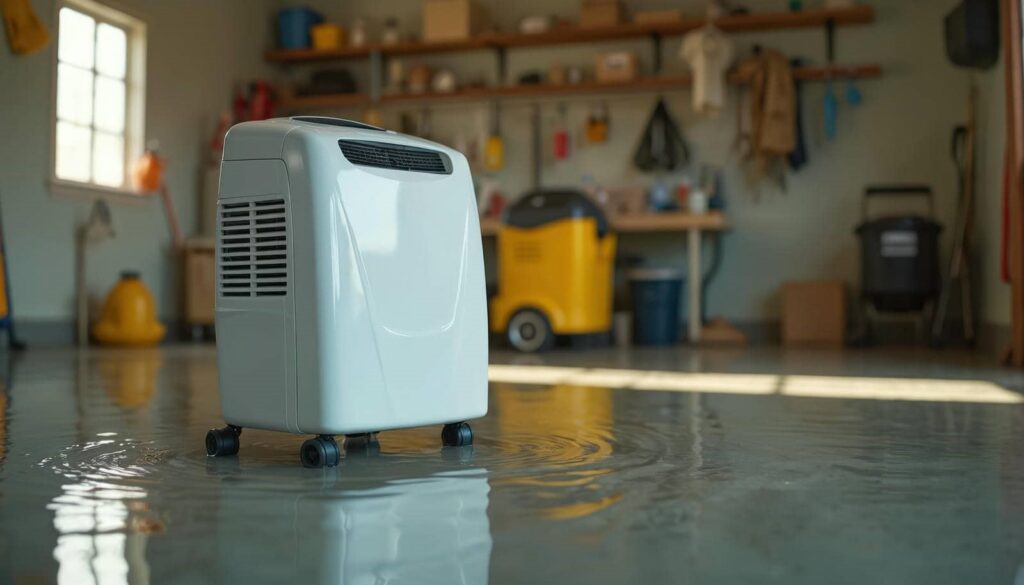
Effective drying and dehumidifying are essential steps in managing sewage cleanup, as lingering moisture can lead to mold growth and structural damage. To tackle this, you’ll need to implement effective moisture control measures.
Start by using high-capacity dehumidifier options to quickly extract humidity from the air. Choose models designed for large spaces to ensure efficient moisture removal.
Set up fans to promote airflow, which aids in the drying process. Be sure to position them strategically, directing airflow toward wet areas.
Monitor humidity levels with a hygrometer to gauge your progress; aim for a relative humidity below 60%.
Consider using moisture barriers, such as plastic sheets, to contain wet areas while you work.
Inspecting for Mold Growth
After you’ve cleaned up the sewage, it’s essential to inspect for mold growth.
Start by identifying the types of mold present and assessing all affected areas thoroughly.
Identify Mold Types
Although mold can thrive in various environments, identifying the specific types present in your home is essential for effective remediation.
Different mold species pose varying health risks, making this identification vital. Here’s how you can identify them:
Visual Inspection: Look for discoloration or fuzzy growth on surfaces; common species include black mold and green mold.
Smell: A musty odor often indicates hidden mold; trust your senses to guide your search.
Testing: If you suspect mold but can’t see it, consider using mold test kits available at hardware stores.
Assess Affected Areas
When you suspect mold growth due to sewage backup, it’s essential to assess the affected areas thoroughly.
Begin your damage assessment by inspecting walls, floors, and any porous materials like carpets and drywall. Look for discoloration, musty odors, or visible mold patches that indicate moisture presence.
During your area evaluation, check hidden spots such as behind appliances and inside cabinets, where mold can thrive unnoticed. Don’t forget to evaluate ventilation systems, as they can carry spores throughout your home.
Document your findings, which will help guide your next steps in remediation. Addressing these concerns promptly protects your health and fosters a sense of security in your living space.
Prevent Future Growth
Once you’ve assessed the affected areas for mold growth, it’s time to focus on preventing future issues.
Implementing a solid plan for preventive maintenance and regular inspections can help you keep mold at bay. Here are three essential steps to evaluate:
Control Humidity: Keep indoor humidity levels below 60% using dehumidifiers or air conditioning.
Inspect Regularly: Schedule routine inspections to catch any signs of moisture or dampness early.
Seal Leaks: Fix any leaks in plumbing or roofing immediately to prevent water accumulation.
Contacting Professional Help
If you encounter a sewage backup, contacting a professional is essential to mitigate damage and ensure safety. Ignoring the situation can lead to health hazards and costly repairs.
Start by reaching out to emergency contacts within your local area who specialize in sewage cleanup. Make sure these professionals offer thorough services, including assessment, removal, and sanitation.
When you call, provide clear details about the issue—location, severity, and any visible damage. This information helps them prepare for the situation effectively.
Professional services are equipped with the right tools and expertise to handle hazardous waste safely, ensuring your home is restored without further complications.
Additionally, they can guide you on preventative measures to avoid future backups, contributing to a sense of community and safety in your home.
Frequently Asked Questions
What Types of Sewage Can Cause Health Hazards?
Raw sewage poses significant health hazards, containing pathogens and contaminants. Without proper sewage treatment, exposure can lead to serious illnesses. It’s essential to address any sewage issues promptly to protect your health and well-being.
How Do I Know if My Sewage System Is Failing?
You’ll know your sewage system is failing if you notice slow drains, foul odors, gurgling sounds, or sewage backups. Keep an eye out for these failure signs to prevent further damage and health risks.
Can I Use Household Cleaners for Sewage Cleanup?
Using household cleaners for sewage cleanup is like trying to bandage a deep wound; it’s ineffective against sewage hazards. Household disinfectants can’t eliminate all pathogens, so always consult professionals for proper removal and safety.
What Are the Long-Term Effects of Sewage Exposure?
Sewage contamination poses significant health risks, including gastrointestinal infections, respiratory issues, and long-term chronic conditions. You should prioritize safety, seek medical advice, and avoid exposure to ensure your well-being and protect your loved ones.
How Often Should I Inspect My Sewage System?
Think of your sewage system as a tree; regular inspections prevent decay. You should inspect it at least once a year, ensuring ideal sewage maintenance and avoiding costly repairs. Consistent monitoring keeps your home safe and healthy.
Conclusion
In the face of a sewage backup, you hold the reins to restore order. Swiftly assess the chaos and shut off the water, donning your protective gear like armor against the unseen threats. Contain the spill, wielding vacuums like knights with shields, and extract the standing water as if drawing a rejuvenating breath. Dry and dehumidify to drive away the lurking specter of mold. Finally, don’t hesitate to call in the professionals for a thorough, reassuring cleanse.
Recent Posts
What to Do for Urgent Cleanup
When urgent cleanup hits, you need to act fast and stay safe. You’ll first check
24/7 Storm Damage Repair Experts
When a storm hits, you need help fast, and you can’t afford to wait until
24/7 Emergency Water Damage Repair Guide
After a burst pipe soaks your basement at 2 a.m., you need 24/7 Emergency Water Damage Repair to