
Contents
When disaster strikes your home, knowing the right steps to take can make all the difference. From understanding the various types of water damage to accessing professional cleanup services, there’s a lot to contemplate. It’s not just about recovery; it’s about protecting your home and peace of mind. What’s your next move in this challenging situation?
Key Takeaways
- Act quickly by shutting off the main water supply to prevent further damage and leaks.
- Document all damage with photos for insurance claims and professional assessments.
- Reach out to emergency contacts, including your insurance provider and a water damage restoration service.
- Dry affected areas within 24-48 hours using fans and dehumidifiers to prevent mold growth.
- Engage professional cleanup services for thorough extraction, evaluation, and guidance through the restoration process.
Understanding Water Damage Types
When it comes to water damage, understanding the different types can help you respond effectively to the situation. You’ll typically encounter three categories: clean, gray, and black water.
Clean water comes from sources like a broken pipe; it poses minimal risk but still requires immediate attention. Gray water, often from appliances, may contain contaminants and needs prompt leak detection to prevent escalation.
Finally, black water, resulting from floods, sewage, or other hazardous sources, poses significant health risks and demands professional intervention.
Flood damage can be particularly devastating, leading to structural issues and mold growth if not addressed quickly. Being aware of these distinctions allows you to assess the severity and act decisively.
Immediate Steps to Take After Water Damage
As soon as you discover water damage, it’s crucial to act swiftly to minimize further destruction and health risks. Begin by shutting off the main water supply to prevent additional leaks.
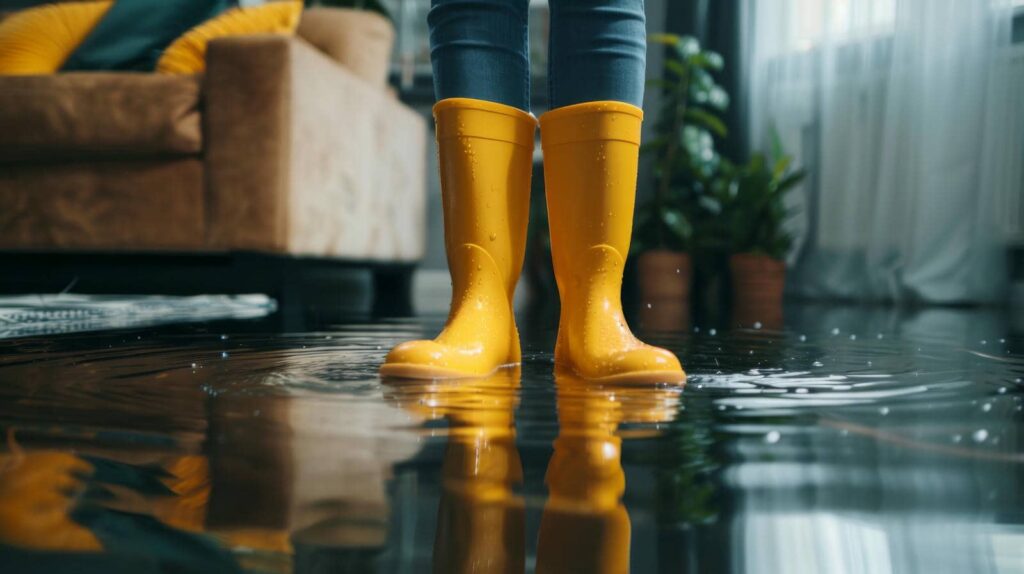
Next, prioritize your safety; wear protective gear like gloves and boots to avoid contact with contaminated water. Make sure to unplug any electrical appliances in the affected area to reduce the risk of shock.
Once you’ve ensured safety, document the damage with photos for insurance purposes. Reach out to your emergency contacts, including your insurance provider and a trusted restoration service, to discuss the next steps.
If possible, start removing excess water using a wet/dry vacuum or towels. Open windows and doors to improve ventilation, helping to reduce humidity levels.
Taking these immediate steps protects your home and fosters a sense of community, ensuring you’re not facing this challenge alone.
Professional Water Damage Cleanup Services
Once you’ve taken immediate steps to address water damage, engaging professional water damage cleanup services can be an essential next move.
These experts come equipped with the right tools and techniques to ensure thorough water extraction, effectively mitigating further damage. They’ll conduct a detailed damage evaluation, identifying areas affected and appraising the structural integrity of your property.
Feeling overwhelmed is natural, but you’re not alone in this.
Professionals understand the emotional toll that water damage can take on you and your family. Their empathetic approach helps create a supportive environment, guiding you through each step of the cleanup process.
Mold Prevention and Inspection
To prevent mold growth after water damage, it’s essential to act swiftly and meticulously. Start by drying out affected areas within 24-48 hours, as this greatly reduces the risk of mold development. Utilize fans, dehumidifiers, and open windows to enhance airflow.
Don’t overlook hidden spaces; mold can thrive in damp corners and behind walls.
Regularly inspect your property using effective inspection techniques. Look for signs of water damage, such as discoloration, musty odors, or warped surfaces. Consider using moisture meters to assess hidden humidity levels.
If you discover any mold, address it immediately with proper cleaning solutions or consult a professional.
Creating a proactive culture of inspection and maintenance fosters a sense of belonging within your community. Share your knowledge with neighbors, encouraging them to take these steps, so everyone can work together towards a healthier environment free from mold growth.
Long-Term Recovery and Restoration Strategies
After addressing immediate mold concerns, focus shifts to long-term recovery and restoration strategies that ensure your home remains safe and resilient.
Begin with restoration planning, evaluating all affected areas to make certain no hidden damage lingers. It’s essential to document everything carefully for your insurance claims. This documentation supports your claims and helps you understand the extent of the damage, allowing for informed decisions moving forward.
Consider upgrading your home’s infrastructure, such as installing vapor barriers or improved drainage systems, to prevent future issues.
Engage with professionals who specialize in water damage restoration to make sure every detail is managed meticulously. They’ll help you navigate the complexities of repairs, making you feel supported throughout the process.
Frequently Asked Questions
How Much Does 24-Hour Water Damage Cleanup Typically Cost?
Atypical 24-hour water damage cleanup costs range from $1,000 to $4,000. Average costs depend on service factors like the extent of damage, location, and urgency. You deserve timely, efficient help to restore your home.
Can I File an Insurance Claim for Water Damage Cleanup?
Yes, you can file an insurance claim for water damage cleanup. Review your insurance policies to understand coverage and follow the claim process carefully, ensuring you document everything to strengthen your case and support your needs.
What Equipment Is Used in Water Damage Restoration?
In water damage restoration, you’ll use water extraction tools like pumps and vacuums, along with drying equipment such as dehumidifiers and air movers. These help ensure your space is safe and dry, promoting recovery.
How Long Does the Cleanup Process Usually Take?
Cleanup usually takes 24 to 48 hours. You’ll see water extraction happening first, followed by drying techniques to ensure everything’s thoroughly dried. Each step is essential for preventing mold and restoring your space safely and effectively.
Are There Any DIY Methods for Water Damage Restoration?
Yes, you can use DIY methods for water damage restoration. Start by removing excess water, drying affected areas with fans, and applying restoration tips like using vinegar or baking soda to tackle mold and odors effectively.
Conclusion
In the wake of water damage, acting swiftly is like putting out a fire before it spreads. By following the steps outlined in this guide and enlisting the help of professional cleanup services, you can minimize damage and ensure a smoother recovery. Remember, prioritizing safety and documentation is key to maneuvering this challenging experience. With the right support and strategies, you can restore your home and regain peace of mind, turning an intimidating situation into a manageable one.
Recent Posts
Guide to Affordable Sewer Cleanup and Sanitation
You might think sewer cleanup is too costly or complicated, but it doesn’t have to
What Are Your Options for Affordable Sewer Cleanup?
Picture your home flooded with murky water, a sewer cleanup nightmare scenario that demands immediate
Budget-Friendly Sewer Water Cleanup Solutions
A burst pipe can feel like a storm flooding your home, leaving chaos in its