
Contents
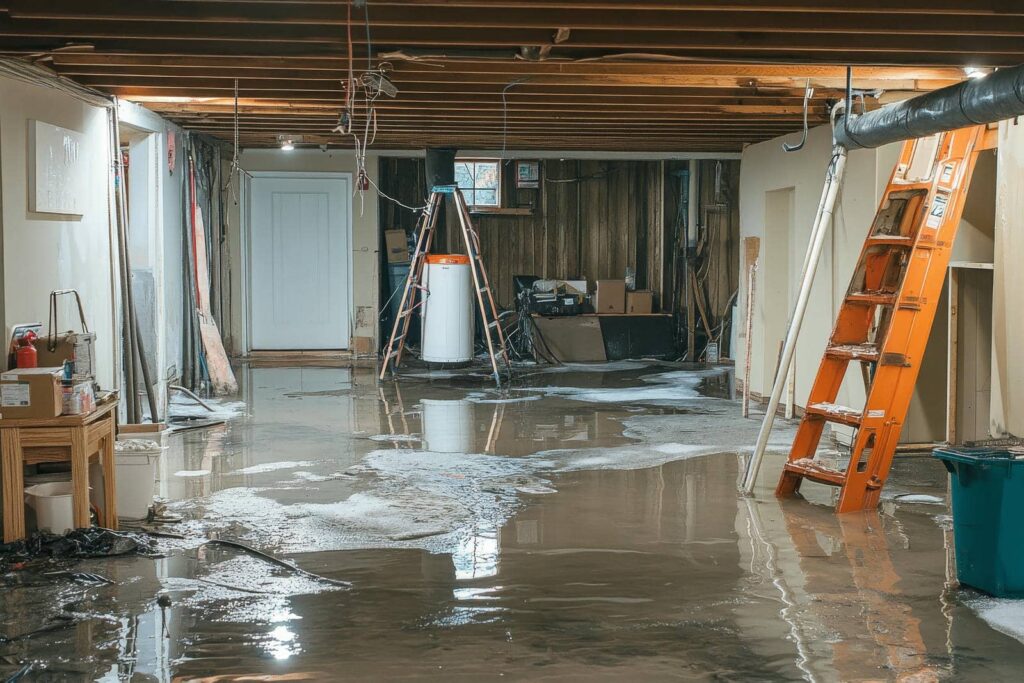
Not all water extraction methods are equally effective for basement floods. Many homeowners face this dilemma, unsure of the best approach to take. Understanding the strengths and weaknesses of various techniques can make a significant difference in recovery efforts. By exploring three top methods—submersible pumps, wet/dry vacuums, and water extraction machines—you’ll uncover the most efficient strategies for managing basement flooding.
Key Takeaways
- Submersible Pumps: Ideal for continuous water accumulation, submersible pumps effectively remove water from basements and are suitable for sump installations.
- Wet/Dry Vacuums: Perfect for small jobs or tight spaces, wet/dry vacuums are versatile and efficient for quick water removal in flooded areas.
- Water Extraction Machines: Advanced machines designed for large volumes of water, these devices utilize powerful pumps and vacuum systems for effective extraction.
- Combination Methods: Using a mix of extraction methods can provide comprehensive water removal, ensuring efficiency and thoroughness during flood situations.
- Preventive Measures: Implementing sump pumps and proper drainage systems can help mitigate flooding risks, reducing the need for extensive extraction efforts.
Submersible Pumps
When you’re faced with water accumulation in your basement, submersible pumps are a reliable solution to efficiently remove the excess water.
These pumps are designed to operate while submerged, making them ideal for applications like sump installation. You can choose from various pump types, including pedestal and submersible options, depending on your specific needs and space constraints.
Submersible pumps typically feature a sealed motor to prevent water damage and ensure longevity. For effective operation, ensure proper sizing and installation, as this directly impacts efficiency.
Wet/Dry Vacuums
Submersible pumps are a solid choice for large-scale water removal, but wet/dry vacuums offer a versatile alternative, especially for smaller jobs or areas with limited access.
These vacuums excel in extracting water from tight spaces, allowing you to tackle flooding effectively. To maximize performance, focus on wet/dry vacuum maintenance, including regular filter cleaning and checking for clogs.
Wet/dry vacuums are perfect for tight spaces, effectively managing flooding with proper maintenance and suction techniques.
Use effective suction techniques by starting in the corner of the affected area and working your way out, ensuring you capture all standing water. Additionally, consider varying the angle of the vacuum nozzle to optimize suction power.
With the right approach, wet/dry vacuums can greatly reduce water levels, restoring your basement to a safe and dry condition.
Water Extraction Machines
Water extraction machines are essential tools for effectively removing large volumes of water from flooded basements.
These machines utilize advanced water removal techniques, such as powerful pumps and vacuum systems, to expedite the extraction process.
When choosing a water extraction machine, consider factors like capacity, efficiency, and portability to suit your specific needs.
To maintain peak performance, regularly check and clean filters, inspect hoses for leaks, and verify all components are functioning correctly.
Proper equipment maintenance extends the lifespan of your machine and enhances its efficiency during emergencies.
Frequently Asked Questions
How Do I Prevent Future Basement Flooding?
To prevent future basement flooding, you should invest in effective drainage systems and reliable waterproofing solutions. Properly maintaining these components will help ensure your basement stays dry and protected from water intrusion.
What Safety Precautions Should I Take During Extraction?
During extraction, wear appropriate safety gear, like gloves and masks. Always check for electrical hazards before starting. Disconnect power sources to avoid shocks, ensuring a safer environment as you tackle the water removal process.
How Long Does Water Extraction Typically Take?
Water extraction can take between several hours and a few days, depending on the volume of water. With efficient water removal and advanced extraction equipment, you’ll minimize damage and restore your space faster.
Should I Hire Professionals or DIY for Extraction?
When deciding between hiring professionals or DIY for extraction, consider a cost analysis. Professionals possess specialized extraction equipment, ensuring efficiency and safety, while DIY may save money, but risks improper handling and potential damage.
What Are the Signs of Mold After Water Extraction?
After water extraction, watch for mold identification signs like musty odors, visible growth, or increased allergy symptoms. To ensure mold prevention, maintain low humidity levels and secure proper ventilation in your space.
Recap
Effectively managing basement floods requires the right tools. Submersible pumps can remove up to 2,500 gallons of water per hour. By combining submersible pumps, wet/dry vacuums, and water extraction machines, you can tackle water accumulation efficiently and protect your property from further damage. Don’t underestimate the importance of these methods—being prepared can save you time, money, and hassle in the long run.
Recent Posts
How to Clean Up Pipe Damage Fast
When a pipe breaks, you need to act fast to limit structural damage and mold
Why Hire Pipe Damage Cleanup Experts?
You need fast cleanup, careful cleanup, and expert cleanup when pipe damage hits your home.
What Pipe Cleanup Experts Do Nearby
When a sewer line backs up in your basement after a heavy rain, nearby pipe