
Contents
Water damage in basements can feel like a catastrophic event, but it doesn’t have to be. You can effectively restore your space using three essential techniques that ensure thorough drying, dehumidification, and mold prevention. Understanding these methods is vital for safeguarding your home and maintaining a healthy environment. Let’s explore how you can efficiently tackle each aspect to reclaim your basement from water damage.
Key Takeaways
- Identify the source of moisture and document all damage for effective restoration and insurance claims.
- Use high-capacity dehumidifiers and fans to enhance airflow and rapidly reduce humidity levels.
- Employ moisture meters to track moisture levels and ensure they remain below 60% for mold prevention.
- Regularly inspect the area for mold growth and clean surfaces with detergent if necessary.
- Seal any cracks or gaps in walls and floors to prevent future moisture ingress.
Assessing and Containing Water Damage
When you discover water damage in your basement, it’s crucial to act quickly to assess the situation and contain the problem. Start with water source identification; determine whether the moisture stems from a burst pipe, flooding, or groundwater seepage.
Inspect the affected areas thoroughly, checking walls, floors, and any belongings. Utilize a moisture meter to quantify the extent of the damage.
Next, conduct a damage assessment. Document everything with photos and notes, detailing the severity and location of the damage. This information will be important for insurance claims and restoration efforts.
Remove any standing water using a pump or wet vacuum, and if possible, isolate the affected area to prevent further spread.
Effective Drying and Dehumidification Methods
Effective drying and dehumidification are vital steps in restoring a water-damaged basement. To ensure you tackle this process effectively, consider these significant methods:
Air Circulation Techniques: Use fans and blowers to enhance airflow. Position them to create a cross-current, which helps evaporate moisture from surfaces more efficiently.
Dehumidifiers: Invest in high-capacity dehumidifiers to draw moisture from the air. Regularly empty the water collection reservoir to maintain peak operation.
Moisture Monitoring: Utilize hygrometers to track humidity levels in your basement. Aim to keep humidity below 60% to prevent further damage and ensure effective drying.
Mold Prevention and Remediation Strategies
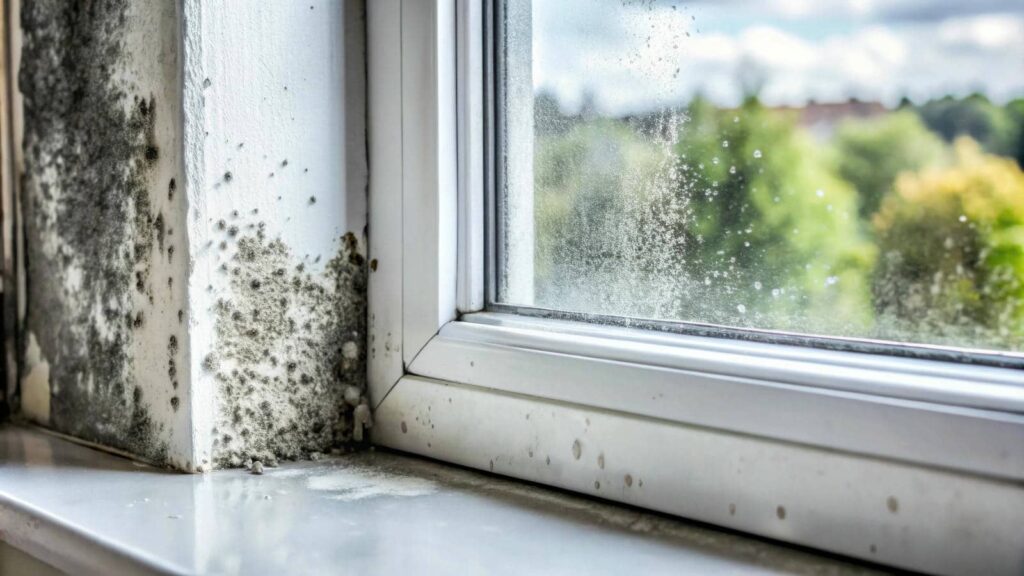
Although you may have successfully dried your basement, mold can still pose a significant threat if left unchecked. To effectively combat this, utilize mold identification techniques like visual inspections and moisture meters. Regularly check for discoloration or musty odors, as these often signal mold presence.
Implement humidity control methods by maintaining indoor humidity levels below 60%. Use dehumidifiers, especially in humid seasons, and ensure proper ventilation. Sealing cracks and gaps in walls and floors can also minimize moisture ingress.
If you find mold, act promptly. Use a mixture of water and detergent to scrub affected surfaces, and consider using mold-killing solutions for more stubborn infestations. Always wear protective gear to safeguard against spores.
Finally, after remediation, regularly inspect your basement to confirm your efforts maintain a mold-free environment. By staying vigilant, you can create a safe and welcoming space for you and your loved ones.
Frequently Asked Questions
How Can I Prevent Future Basement Flooding?
To prevent future basement flooding, install flood barriers around your foundation and ensure proper drainage systems are in place. Regularly inspect these features to maintain effectiveness, reducing water intrusion and creating a safer environment for you.
What Insurance Coverage Is Available for Water Damage?
Isn’t it comforting to know you can protect your home? Flood insurance offers various coverage limits, typically covering structural damage and personal belongings. Review your policy to ensure you’ve got adequate protection against water damage.
Should I Use a Sump Pump for My Basement?
Yes, you should use a sump pump. Choose from submersible or pedestal types based on your needs. Regular sump pump maintenance ensures peak performance, preventing water buildup and protecting your basement from potential damage.
How Do I Choose a Water Damage Restoration Company?
To choose a water damage restoration company, check their reputation thoroughly. Assess their service options, ensuring they offer extensive solutions. Compare reviews and certifications to find a reliable partner who fits your specific needs and expectations.
What Items Can Be Salvaged After Water Damage?
You can salvage furniture through restoration, ensuring it’s dried properly. Electronics require careful assessment; if they’ve been submerged, it’s best to have a professional evaluate them. Prioritize safety while reclaiming your valued possessions.
Final Thoughts
Successfully restoring your basement from water damage hinges on effective drying, dehumidification, and mold prevention. For instance, imagine a homeowner who used high-capacity dehumidifiers and strategically placed fans, reducing humidity to below 60%. They sealed cracks and regularly inspected for mold, ultimately creating a safe, dry environment. By following these techniques, you can ensure your basement remains protected and free from the perils of water damage, safeguarding your home’s integrity for years to come.
Recent Posts
Mold Inspection and Removal After Water Damage
After water damage, you might not realize how quickly mold can develop. Within just 24
5 Best Strategies for Post-Water Damage Cleanup
Water damage can feel like a relentless tide, eroding the safety and comfort of your
Why Mold Inspections Matter After Water Damage
After experiencing water damage, it’s vital to address potential mold growth promptly. Mold can proliferate