
Contents
After flooding, addressing mold remediation is critical to prevent health risks and structural damage. You need to assess the extent of water damage and ensure safety first. Quick action is essential, but it’s crucial to understand each step you take. From removing excess water to monitoring humidity levels, every decision impacts the outcome. What specific strategies will you implement to safeguard your environment? Let’s explore the important tips that can guide your approach.
Key Takeaways
- Conduct a thorough assessment for visible mold and moisture, documenting findings for effective remediation planning.
- Remove contaminated materials promptly and safely to prevent further mold spread and damage.
- Utilize dehumidifiers and fans to ensure areas are completely dried, maintaining humidity levels below 60%.
- Apply mold inhibitors or natural remedies to affected surfaces to prevent future growth.
- Engage the community in mold monitoring and sharing prevention tips to promote a healthier environment.
Assess the Extent of Water Damage
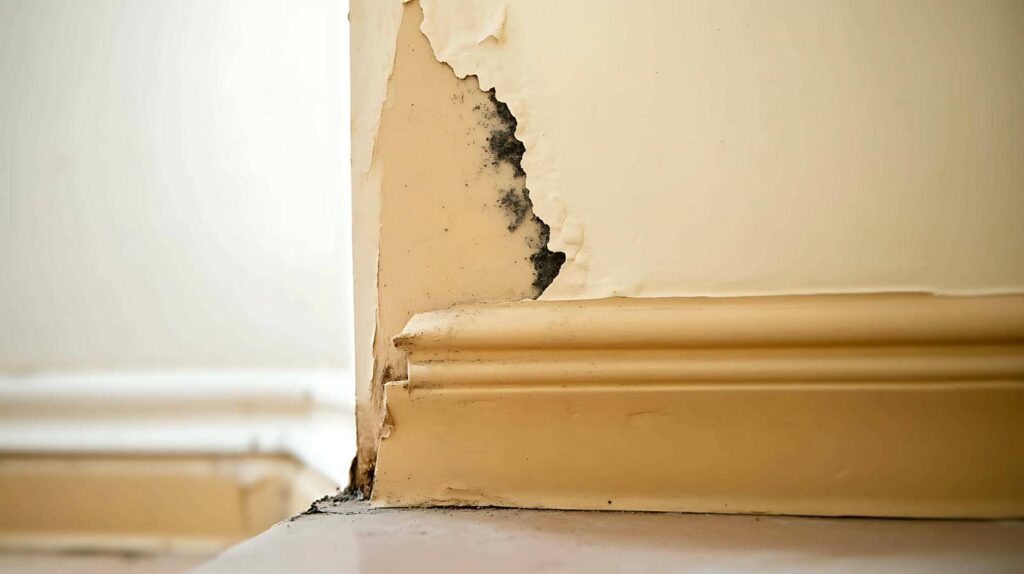
How can you effectively assess the extent of water damage in your space? Start by conducting a thorough water damage assessment. Look for visible signs like stains, warping, or mold, as these can indicate underlying issues.
Use a moisture meter to measure dampness in walls and floors, helping pinpoint areas needing attention.
Next, perform a structural integrity evaluation. Inspect beams, joists, and other load-bearing elements for signs of deterioration. If these components are compromised, it could jeopardize the safety of your home.
Document your findings with photographs and notes, creating a clear record of the damage. This information will be invaluable when discussing remediation options or filing insurance claims.
Ensure Safety Precautions Are in Place
Before you begin mold remediation, you need to prioritize safety precautions.
This includes wearing personal protective equipment, ensuring proper ventilation and airflow, and implementing electrical safety measures.
Personal Protective Equipment
When tackling mold remediation, wearing the right personal protective equipment (PPE) is essential for your safety. Start by donning protective gear such as gloves, goggles, and N95 respirators to shield yourself from mold spores. This gear protects your health and demonstrates adherence to safety protocols vital to mold cleanup.
Ensure your clothing is long-sleeved and disposable, minimizing the risk of contamination. As you work, remember that the environment may pose additional hazards, so remain vigilant.
Following these guidelines fosters a collective sense of responsibility and belonging within your community, helping everyone feel secure during the remediation process. Prioritizing your safety sets a standard for others, reinforcing the importance of proper PPE in mold remediation efforts.
Ventilation and Airflow
What steps can you take to ensure proper ventilation and airflow during mold remediation?
First, assess your space and identify areas with stagnant air.
Utilize ventilation systems, like exhaust fans, to enhance airflow management.
Open windows and doors, if possible, to create cross-ventilation. This helps dilute mold spores and reduce humidity levels, which are essential for effective remediation.
Make sure that any mechanical ventilation is functioning correctly, as it plays a pivotal role in maintaining a consistent air exchange.
Monitor humidity with hygrometers to keep levels below 60%.
Always wear your personal protective equipment while working in these areas to safeguard your health.
Electrical Safety Measures
Ensuring electrical safety measures during mold remediation is essential, as working in damp environments can pose significant risks.
Before you begin, perform a thorough circuit inspection to identify any potential electrical hazards. Make sure to turn off the power to affected areas, using a lockout/tagout system if necessary, to prevent accidental reactivation.
Utilize ground fault circuit interrupters (GFCIs) for any equipment you use, as these devices help minimize the risk of shock. Keep electrical cords dry and away from water sources, and avoid using damaged equipment.
Communicating these safety measures within your team fosters a culture of awareness and responsibility, ensuring everyone feels secure while tackling the remediation process together.
Prioritize safety, and you’ll create a safer environment for all.
Remove Excess Water Promptly
Removing excess water promptly is essential in preventing mold growth and minimizing damage to your property. Effective water extraction is your first line of defense after flooding. The longer water lingers, the more moisture seeps into your walls, floors, and belongings, creating an ideal environment for mold spores to thrive.
Utilize pumps and wet vacuums to expedite the removal process, ensuring you eliminate standing water quickly.
Once you’ve removed the bulk of the water, focus on moisture control. This involves ventilating the affected areas and using dehumidifiers to reduce humidity levels.
Remember, even small amounts of trapped moisture can lead to mold issues later on. By acting swiftly and efficiently, you protect your home and foster a sense of community by sharing these crucial practices with others facing similar challenges.
Prioritize water extraction and moisture control, and you’ll safeguard your space from future mold problems.
Dry Out Affected Areas Thoroughly
After you’ve tackled excess water removal, drying out the affected areas thoroughly becomes your next priority.
Moisture control is vital in preventing mold growth, so use effective drying techniques. Here’s how to ensure everything dries properly:
Ventilation: Open windows and doors to promote airflow. Use fans to circulate air, speeding up the drying process.
Dehumidifiers: Set up dehumidifiers to extract moisture from the air. This helps maintain low humidity levels, essential for effective drying.
Heat Sources: If it’s safe, use heaters to raise the temperature, which can help evaporate remaining moisture from surfaces.
Identify and Remove Contaminated Materials
To effectively combat mold, you need to assess affected areas for any contaminated materials.
Identify items such as drywall, carpeting, or insulation that show signs of mold growth and can’t be salvaged.
Once you’ve pinpointed these contaminants, dispose of them safely to prevent further spread and ensure a healthier environment.
Assess Affected Areas
As you begin the mold remediation process, evaluating affected areas is essential for effective intervention.
First, utilize mold identification techniques to pinpoint visible and hidden mold growth throughout your space.
Second, apply moisture detection methods to locate any lingering dampness that may fuel mold development.
Finally, inspect porous materials, like drywall and carpeting, as they’re more susceptible to contamination.
- Use mold identification techniques for accurate detection.
- Implement moisture detection methods to assess humidity levels.
- Thoroughly inspect porous materials for potential mold retention.
Dispose of Contaminants
Identifying and removing contaminated materials is essential for effective mold remediation. Start by evaluating items that absorbed water, such as carpets, drywall, and insulation.
If these materials show signs of mold or are severely saturated, they must be disposed of properly. Remember, you can’t just toss them in the regular trash; many of these items qualify as hazardous waste.
Check local regulations to verify you’re following guidelines for proper disposal. Bag contaminated materials securely to prevent spores from spreading.
By removing these potential breeding grounds for mold, you protect your home and foster a healthier environment for you and your loved ones.
Prioritize safety and cleanliness in every step of the process.
Apply Mold Inhibitors and Treatments
Applying mold inhibitors and treatments is essential in preventing the growth of mold in your home.
After flooding, you’ll want to act quickly and effectively to minimize risks. Here are three key treatment options to contemplate:
Mold Inhibitors: Use chemical solutions specifically designed to inhibit mold growth. These can be applied to surfaces after thorough cleaning.
Natural Remedies: If you prefer a more eco-friendly approach, consider vinegar or tea tree oil. These natural options can be effective against mold spores.
Sealants: After treatment, apply a mold-resistant sealant to vulnerable areas, such as basements and bathrooms, to prevent future infestations.
Monitor for Future Mold Growth
Once you’ve applied mold inhibitors and treatments, keeping an eye out for future mold growth is essential. Regular mold monitoring helps you identify any signs of resurgence early, allowing for immediate action.
Check high-humidity areas like bathrooms and basements, as well as behind appliances and furniture, where moisture can linger unnoticed.
Use a dehumidifier to keep humidity levels below 60%, which is vital for future prevention. Invest in moisture meters to track dampness in various spaces, ensuring you maintain a dry environment.
Don’t forget to inspect ventilation systems, as they can accumulate mold spores if not properly maintained.
Engaging in these proactive measures protects your home and fosters a sense of community among your neighbors facing similar challenges.
Sharing your insights about mold monitoring can help others in your area stay mold-free and promote a healthier living environment for everyone.
Frequently Asked Questions
How Long Does It Take for Mold to Grow After Flooding?
Mold can start to grow within 24 to 48 hours after flooding. To effectively manage this, prioritize a thorough flood damage assessment to identify affected areas and prevent extensive mold growth on your property.
Can I Stay in My Home During Mold Remediation?
You shouldn’t stay in your home during mold remediation due to mold safety concerns. Occupying the space can expose you to harmful spores, risking your health. It’s best to temporarily relocate until the process is complete.
What Personal Protective Equipment Should I Wear?
You should wear N95 respirators, gloves, and goggles for mold safety. Protective gear shields you from spores and irritants, ensuring you stay safe while addressing the mold issue. Prioritize your health during the remediation process.
How Can I Prevent Mold After a Flood?
To prevent mold after a flood, implement mold prevention techniques like drying out areas quickly and using dehumidifiers. Following effective flood recovery strategies ensures your space remains safe and healthy for you and your loved ones.
When Should I Call a Professional for Mold Remediation?
“Better safe than sorry.” You should call a professional for mold remediation if you notice extensive growth, unusual odors, or if inspection reveals hidden mold. Early intervention minimizes remediation costs and protects your environment.
Recap
Tackling mold after flooding requires a proactive plan and persistent prevention. By promptly evaluating damage, ensuring safety, and implementing effective drying and treatment strategies, you can greatly reduce risks. Remember, vigilance is crucial! Regularly monitor humidity and inspect high-risk areas to safeguard your space. Together, let’s create a cleaner, healthier community where mold can’t thrive. Stay informed, stay engaged, and take decisive action against this persistent problem. Your efforts can make a meaningful difference!
Recent Posts
Mold Inspection and Removal After Water Damage
After water damage, you might not realize how quickly mold can develop. Within just 24
5 Best Strategies for Post-Water Damage Cleanup
Water damage can feel like a relentless tide, eroding the safety and comfort of your
Why Mold Inspections Matter After Water Damage
After experiencing water damage, it’s vital to address potential mold growth promptly. Mold can proliferate