
Contents
When dealing with basement flooding, it’s vital to act quickly and strategically. Start by evaluating the situation and ensuring your safety before gathering the necessary equipment. Standing water can lead to extensive damage if not removed promptly. Employing the right techniques and tools can make a significant difference. Let’s explore the essential tips for basement water extraction that will help you remove water efficiently and prevent future issues.
Key Takeaways
- Assess the flooding extent and ensure safety by checking for submerged electrical hazards before starting the extraction process.
- Use a submersible pump for large volumes of water and a wet/dry vacuum for smaller, residual moisture.
- Position high-capacity fans and dehumidifiers to enhance airflow and reduce humidity levels effectively.
- Clean and disinfect all affected surfaces thoroughly to prevent mold growth after water removal.
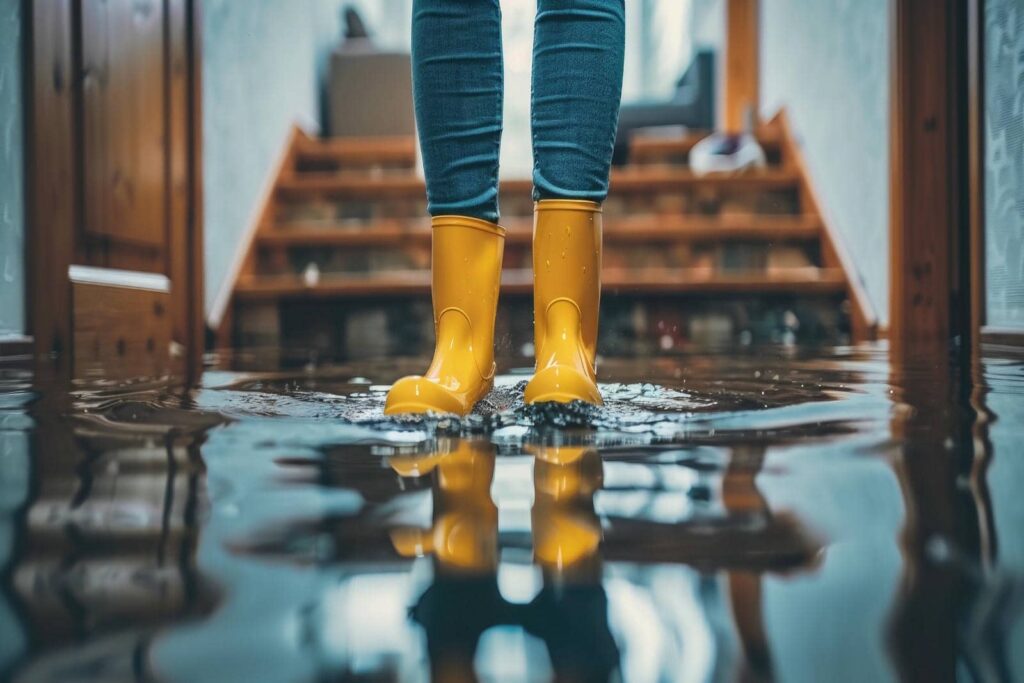
- Wear appropriate protective gear, including waterproof boots and gloves, to safeguard against contaminants during the extraction.
Assess the Situation and Safety Precautions
Before you start the basement water extraction process, it’s crucial to assess the situation and take necessary safety precautions.
Begin by evaluating the extent of the flooding and identifying any water hazards present. Look for electrical outlets, appliances, or wiring that may be submerged, as these pose serious risks.
Equip yourself with appropriate safety gear, such as waterproof boots, gloves, and a mask, to protect against contaminants. Ensure proper ventilation in the area to avoid inhaling harmful fumes.
Be mindful of the potential for slip-and-fall accidents, and consider using a flashlight to enhance visibility in dark spaces.
Gather the Right Equipment
With safety measures in place, it’s time to gather the right equipment for effective water extraction.
Start by acquiring essential gear like a submersible pump, which quickly removes large volumes of water. You’ll also need a wet/dry vacuum for smaller areas and residual moisture.
Don’t forget high-capacity fans and dehumidifiers to aid in drying out the space afterward. Equip yourself with sturdy gloves, waterproof boots, and a flashlight for visibility.
Depending on the severity, you might also consider water extraction tools like a squeegee or a mop.
Having the right equipment ensures you’re well-prepared to tackle the situation efficiently, making the process smoother and helping you reclaim your basement swiftly.
Remove Standing Water Quickly
To remove standing water quickly, start by using a sump pump to efficiently extract large volumes of water.
If water levels are lower, employ a wet vacuum for thorough cleaning.
Both methods are essential for preventing further damage and promoting a dry basement environment.
Use a Sump Pump
When you encounter standing water in your basement, using a sump pump can drastically reduce the time and effort needed for extraction. You’ll find various sump pump types, including submersible and pedestal models, each suited for different situations. Regular sump pump maintenance is essential to ensure peak performance.
Selecting the right sump pump and maintaining it properly can safeguard your basement from future flooding and ensure a dry, safe environment. Don’t underestimate the importance of having a reliable pump ready when needed.
Employ Wet Vacuum
If you need to remove standing water from your basement quickly, employing a wet vacuum is an effective solution.
Wet vacuums offer numerous benefits, such as portability and versatility, making them ideal for tackling various water levels. To maximize efficiency, start by clearing the area of any debris.
Next, position the vacuum at the lowest point of the flooded area to ensure peak suction. Use effective techniques like overlapping passes to capture every drop, and periodically empty the tank to maintain performance.
Remember to wear protective gear, as water may contain contaminants. By using a wet vacuum, you’ll expedite the extraction process and protect your home from potential water damage and mold growth.
Utilize Dehumidifiers and Fans
To effectively reduce moisture in your basement, you’ll want to utilize dehumidifiers and fans to optimize airflow circulation.
Position fans to direct air towards the humid areas, while the dehumidifier works to extract excess moisture from the air.
Regularly monitor humidity levels to ensure that you maintain a dry environment and prevent future water issues.
Optimize Airflow Circulation
Optimizing airflow circulation is essential for effective basement water extraction, especially when you’re combating excess moisture.
By employing strategic airflow techniques, you can enhance the efficiency of your dehumidifiers and fans. Start by positioning fans to create a cross-ventilation effect, drawing in fresh air while expelling damp air. This setup helps to establish robust circulation systems that facilitate moisture removal.
Additionally, place dehumidifiers in areas with the most humidity, ensuring they operate at peak performance. Remember to keep doors and windows open when the weather permits, as this natural airflow can greatly reduce moisture levels.
Monitor Humidity Levels
After establishing effective airflow circulation, the next step in maintaining a dry basement is monitoring humidity levels.
Implementing humidity control measures is essential for preventing mold growth and structural damage. Use dehumidifiers to extract excess moisture from the air efficiently; they’re vital tools in moisture monitoring. Set your dehumidifier to maintain humidity levels between 30% and 60% for best results.
Additionally, strategically place fans to enhance air circulation, allowing for quicker evaporation of any residual moisture. Regularly check humidity levels with a hygrometer to verify your efforts are paying off.
Inspect for Structural Damage
While you focus on extracting water from your basement, it’s essential to inspect for structural damage that may have occurred due to prolonged exposure to moisture.
Start by examining the walls and floors for any signs of foundation cracks, which can compromise your home’s structural integrity. Look for bulging or bowing in the walls, as these issues can indicate serious underlying problems.
Check for any water stains or discoloration, which can signal moisture retention that exacerbates structural issues. Don’t overlook the support beams and joists; any signs of rot or deterioration should be addressed immediately.
Clean and Sanitize Affected Areas
Once you’ve confirmed there’s no structural damage, focus on cleaning and sanitizing the affected areas to prevent mold growth and further moisture issues.
Start by removing any debris or contaminated materials, then use a solution of water and detergent for initial cleaning.
Begin by clearing away debris and contaminated items, then clean with a mixture of water and detergent.
For effective mold remediation, verify you disinfect surfaces using a mixture of water and bleach or a commercial disinfectant.
Pay special attention to corners, seams, and hidden areas where moisture can linger.
After disinfecting, allow surfaces to dry thoroughly, as dampness can encourage mold regrowth.
Regularly check these areas to maintain a dry environment.
Implement Preventive Measures for Future Flooding
To effectively prevent future flooding in your basement, it’s essential to assess and address potential vulnerabilities around your property.
Start by installing flood barriers, which can act as a first line of defense against rising water.
Next, ensure your drainage systems are functioning properly; clean gutters and downspouts regularly to facilitate effective water flow away from your home.
Consider adding a sump pump if you don’t already have one, as it can help manage excess water during heavy rains.
Additionally, grading your yard to slope away from your foundation will enhance water diversion.
Frequently Asked Questions
How Do I Know if My Basement Is Prone to Flooding?
You can determine your basement’s flood risk by evaluating the water drainage in your area, checking historical flood data, inspecting nearby slopes, and assessing your foundation’s integrity. These factors greatly influence your basement’s vulnerability to flooding.
What Should I Do if I Can’t Access My Basement?
When the going gets tough, you’ve gotta be resourceful. If you can’t access your basement, reach out to emergency contacts for help or find alternative access points to assess the situation safely and effectively.
Can I Use a Shop Vac for Water Extraction?
Yes, you can use a shop vac for water extraction. Its powerful features enhance efficient removal, but combining it with other water extraction techniques ensures thorough results. Always check the vac’s capacity before starting your job.
How Long Will It Take for My Basement to Dry Completely?
Your basement’s drying time depends on humidity levels and airflow. Generally, it takes 2 to 5 days for moisture to evaporate completely. Make certain to provide proper ventilation to speed up the drying process and prevent mold growth.
Should I Call a Professional for Severe Flooding Issues?
When floodwaters rise, they can drown your peace of mind. If you’re facing severe flooding, calling a professional is wise—they’ll help you navigate flood damage and insurance claims, ensuring your home’s safety and your sanity remain intact.
Review
By following these tips, you can turn your flooded basement from a disaster zone into a dry, safe space. Think of your basement as a sponge—if you don’t wring it out properly, it’ll just absorb more problems down the line. Stay proactive by implementing preventative measures to guard against future flooding. With the right approach, you’ll restore your basement and protect your home from moisture-related issues in the future.
Recent Posts
Sewage Water Removal and Prevention Guide
Sewage water contamination poses significant health risks and can damage your property if not addressed
Key Steps for Checking a Flooded Basement
Flooded basements cause significant property damage and pose health risks. To effectively address this issue,
Top 5 Tips for Inspecting Flooded Basements
When you inspect a flooded basements, your first step is to assess the water level