
Contents
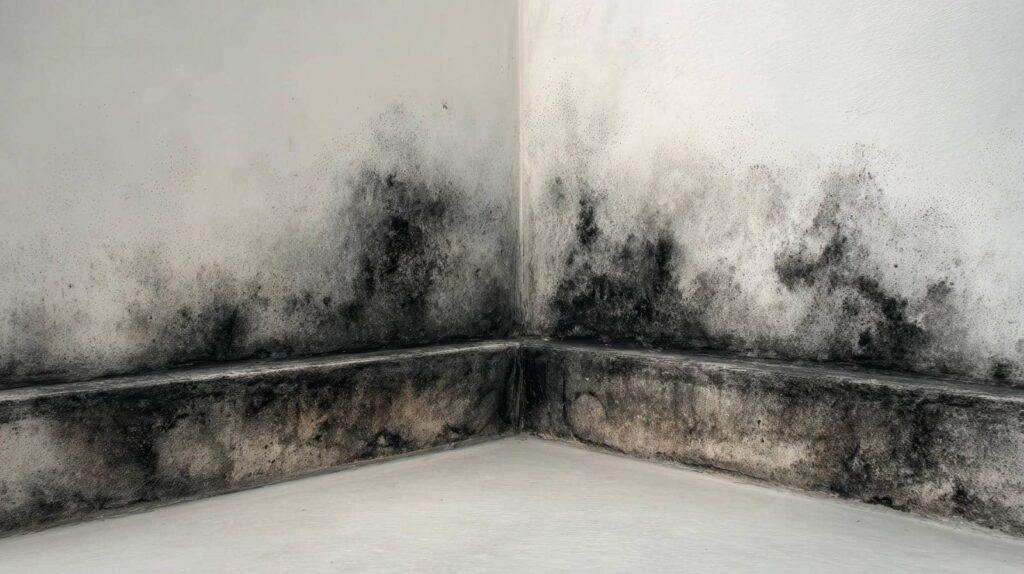
Think of mold as an unwelcome guest that thrives in damp environments. When water damage occurs, acting swiftly is vital to prevent this intruder from taking hold. You’ll need a strategic approach to tackle the issues at hand. By focusing on immediate actions and long-term solutions, you can safeguard your home and health. Let’s explore three essential tips that will help you combat mold effectively and maintain a safe living space.
Key Takeaways
- Act swiftly to remove standing water using a wet/dry vacuum or pump to prevent mold growth.
- Ensure proper ventilation by opening windows and using fans to enhance airflow in damp areas.
- Utilize mold-resistant products, like paints and antimicrobial treatments, to inhibit mold development on surfaces.
- Regularly monitor and maintain dry conditions by checking for moisture and addressing plumbing issues promptly.
- Educate yourself and others on mold prevention strategies, including the importance of quick water removal and proper ventilation.
Act Quickly to Remove Standing Water
Standing water is a breeding ground for mold, so it’s crucial to act quickly. First, focus on water extraction; using a wet/dry vacuum or a pump can help remove standing water efficiently.
If the area is large, consider enlisting professional services for thorough extraction. Once the water’s gone, employ effective drying techniques like dehumidifiers and fans to reduce moisture levels.
Make sure all surfaces, including walls and floors, are dried promptly to prevent mold growth. Remember, the longer you wait, the higher the risk of mold developing and spreading.
Ensure Proper Ventilation and Airflow
To prevent mold growth after water damage, ensuring proper ventilation and airflow is essential.
Start by using effective ventilation techniques, such as opening windows and doors to promote fresh air circulation. Utilize fans to enhance airflow management, directing air toward damp areas to speed up drying.
Implement effective ventilation by opening windows and using fans to enhance airflow and expedite drying in damp areas.
Consider using dehumidifiers to further reduce moisture levels in the air, making it less conducive to mold growth. Regularly check and clean vents to ensure unobstructed airflow.
In spaces like bathrooms and kitchens, install exhaust fans to eliminate humidity quickly.
By prioritizing these strategies, you’ll create an environment that discourages mold and supports a healthy living space.
Utilize Mold-Resistant Products and Treatments
Since preventing mold is essential after water damage, utilizing mold-resistant products and treatments can greatly mitigate the risk.
Start by applying mold-resistant paints to walls and ceilings, as these coatings create a barrier that inhibits mold growth. These paints contain special additives that resist moisture, making them ideal for areas prone to dampness.
Additionally, consider using antimicrobial treatments on surfaces that could harbor mold spores. These treatments kill existing mold and help prevent future infestations.
When you choose these products, you’re taking proactive steps to protect your home and loved ones from mold-related health issues.
Frequently Asked Questions
How Long Does It Take for Mold to Develop After Water Damage?
Mold growth timelines vary, but under ideal conditions, you might see mold within 24 to 48 hours after water damage. Factors like humidity, temperature, and material type greatly influence how quickly it develops.
Can I Use Bleach to Clean Mold From Surfaces?
You can use bleach for mold removal, but it’s not always the best option. Consider bleach alternatives like vinegar or baking soda, which effectively tackle mold while being safer for your environment and health.
What Are the Health Risks Associated With Mold Exposure?
Mold exposure can trigger mold allergies and lead to respiratory issues, including asthma exacerbation. You might experience symptoms like sneezing, coughing, or difficulty breathing, making it essential to address any mold problems promptly for your health.
Should I Hire a Professional for Mold Removal?
Think of mold as an unwelcome guest that keeps overstaying its welcome. You should hire a professional for mold removal; their expertise in professional services guarantees thorough eradication, protecting your home and health from future risks.
How Can I Tell if Mold Is Hidden Within Walls?
To identify hidden mold within walls, you’ll need to use mold inspection techniques like thermal imaging and moisture meters. Check for hidden moisture sources, such as plumbing leaks or condensation, that can promote mold growth.
Conclusion
By swiftly removing standing water and promoting airflow, you can create a dry, safe haven in your home. Imagine the relief of fresh, clean air replacing the musty smell of dampness, protecting your walls and belongings. Investing in mold-resistant products further shields your space from unwanted growth. Regularly check those hidden corners and crevices, ensuring your home remains a fortress against mold, safeguarding your family’s health and comfort for years.
Recent Posts
7 Storm Water Damage Repair Essentials
After a severe storm, a homeowner who waited one day too long found mold behind
7 Best Storm Water Damage Restoration Tips
Storm water damage can turn your home upside down in minutes, so you need to
Emergency Storm Water Damage Restoration Guide
When storm water invades your home, do you act first or lose more later? You