
Contents
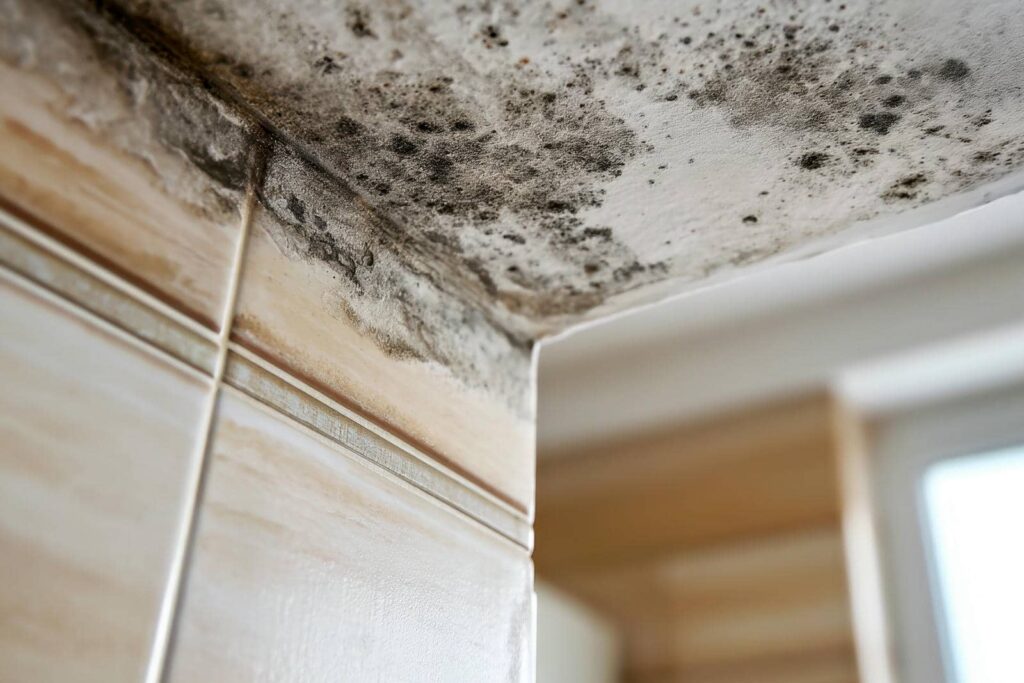
After a flood, mold can quickly become a serious issue if not addressed promptly. Knowing effective prevention techniques is essential. You need to start by evaluating the extent of water damage and implementing immediate removal strategies. From there, drying out affected areas and ensuring proper ventilation are key. But that’s just the beginning. What other steps can you take to protect your space from mold’s harmful effects?
Key Takeaways
- Quickly remove standing water using high-capacity pumps to minimize mold growth potential.
- Increase air circulation with fans and open windows to reduce indoor humidity levels.
- Clean and disinfect all affected surfaces with suitable mold-killing products and seal porous materials.
- Regularly change air filters in HVAC systems to enhance air quality and reduce mold spores.
- Schedule routine inspections and maintain humidity levels below 60% to prevent future mold issues.
Assessing the Extent of Water Damage
When you’re faced with the aftermath of a flood, evaluating the extent of water damage is essential for effective mold prevention.
Start your water damage assessment by identifying visibly affected areas, including walls, floors, and furnishings. Use moisture level evaluation tools, like hygrometers, to determine hidden moisture pockets that could foster mold growth.
Pay close attention to porous materials, such as drywall and carpet, which can retain moisture. Document your findings meticulously to prioritize remediation efforts.
Understanding the severity of water damage helps you address immediate concerns and sets the stage for long-term prevention strategies.
Immediate Water Removal Techniques
To effectively combat mold growth after a flood, immediate water removal is essential. Start by utilizing water extraction methods to remove standing water as quickly as possible.
You can rent or purchase a high-capacity pump, which helps in efficiently extracting large volumes of water. If the situation is overwhelming, don’t hesitate to call emergency services specializing in flood recovery; they possess advanced equipment and expertise to tackle severe water intrusion.
Make certain you address hidden pockets of water, like those in walls or under flooring, to prevent mold proliferation. Remember, the faster you act, the better your chances of minimizing mold damage and restoring your space.
Address hidden water pockets promptly to prevent mold growth; swift action is key to minimizing damage and restoring your space.
Prioritize these actions to protect your home and loved ones effectively.
Drying Out Affected Areas
After removing standing water, your next steps are essential for effective drying.
Increasing air circulation and using dehumidifiers can greatly reduce moisture levels in affected areas.
Remove Standing Water
Removing standing water is essential for preventing mold growth in areas affected by flooding. By swiftly addressing this issue, you can safeguard your home and your health. Standing water creates a perfect breeding ground for mold, which can lead to serious health risks and property damage.
Acting quickly during the flood aftermath is vital. Remember, the sooner you remove standing water, the better chance you have of avoiding mold-related complications.
Increase Air Circulation
Once you’ve tackled the standing water, the next step is to increase air circulation to dry out the affected areas.
Effective airflow techniques are essential in preventing mold growth. Open windows and doors to allow fresh air to circulate, and use fans strategically to boost airflow in stagnant spots.
Position fans to direct airflow across damp surfaces, which aids in evaporating moisture more rapidly. Additionally, monitor indoor humidity levels; keeping humidity control in check helps inhibit mold spores from settling.
Aim for a humidity level below 60% for best results. By implementing these strategies, you create an environment less conducive to mold growth, ensuring your space remains safe and comfortable for everyone involved.
Use Dehumidifiers Effectively
While increasing air circulation is vital, using dehumidifiers effectively can greatly enhance the drying process in flood-affected areas.
Start by adjusting your dehumidifier settings to match the humidity levels; typically, you’ll want to aim for 30-60% humidity for ideal moisture control.
Place the dehumidifier in the most affected areas, ensuring it’s away from walls and furniture to maximize airflow.
Regularly check the water reservoir and empty it as needed; continuous operation is essential for efficient moisture removal.
Additionally, consider using multiple units if the space is large or particularly damp.
Cleaning and Disinfecting Surfaces
Once you’ve dried out the affected areas, it’s essential to focus on cleaning and disinfecting surfaces to prevent mold growth.
You’ll want to prepare surfaces effectively and select the right disinfectants to ensure thorough sanitization.
Understanding these techniques will help you create a mold-free environment in your home.
Surface Preparation Techniques
As you begin the process of cleaning and disinfecting surfaces after a flood, it’s crucial to focus on thoroughness, as any missed area can harbor mold spores.
Start by removing dirt and debris from all surfaces using a stiff brush or vacuum. Once cleaned, apply a suitable disinfectant to kill any remaining spores.
Afterward, consider using mold-resistant coatings to provide an added layer of protection against future mold growth. Surface sealing is another effective technique; sealing porous materials can prevent moisture from penetrating, thereby reducing mold risk.
Be diligent in your efforts, ensuring all areas are treated, as this extensive approach will foster a healthier environment for you and your loved ones moving forward.
Effective Disinfectant Choices
After thoroughly preparing surfaces, choosing the right disinfectant is key to effectively combating mold growth.
You’ll find various disinfectant types, each with specific properties that cater to different surfaces. For non-porous surfaces like tiles and glass, bleach solutions or hydrogen peroxide are excellent choices, as they kill mold spores effectively.
However, for porous materials like wood, opt for environmentally friendly options that prioritize surface safety, such as vinegar or specialized mold removers.
Always read labels to ensure compatibility with your surfaces and follow dilution instructions for maximum efficacy.
Using the right disinfectant helps prevent mold and fosters a safe environment for you and your family, reinforcing a sense of belonging in your home.
Removing Contaminated Materials
When floodwaters recede, it is crucial to act quickly to remove contaminated materials to prevent mold growth. Moldy materials, like carpets, drywall, and insulation, can harbor spores, so you should dispose of them properly.
Using Dehumidifiers Effectively
Using dehumidifiers effectively can greatly reduce the risk of mold growth in your home after a flood.
First, you’ll want to set your dehumidifier to the appropriate settings, ideally between 30% and 60% relative humidity. This range promotes ideal moisture control, preventing excess dampness that encourages mold.
Place the dehumidifier in the most affected areas, such as basements or rooms with visible water damage. Regularly check the water tank and empty it as needed, or consider a continuous drainage option for convenience.
It’s beneficial to leave the dehumidifier running continuously for several days, monitoring humidity levels until they stabilize.
Improving Ventilation in the Space
Effective moisture control through dehumidifiers sets the stage for improving ventilation in your space.
To combat mold effectively, it’s essential to understand different ventilation types, including natural and mechanical systems. Natural ventilation relies on openings like windows, while mechanical ventilation uses fans to enhance airflow patterns.
Assess your area to identify which type suits your needs best. Make sure air can circulate freely by removing obstructions and using exhaust fans in moisture-prone areas like bathrooms and kitchens.
Regularly changing air filters in HVAC systems can further enhance efficiency. By optimizing airflow patterns, you create a drier environment, reducing the chances of mold growth.
Applying Mold Inhibitors
Although mold prevention strategies are critical, applying mold inhibitors can greatly enhance your efforts to keep your home mold-free.
One effective option is using mold-resistant paints, which contain additives designed to prevent mold growth on painted surfaces. These paints can be especially beneficial in high-moisture areas like bathrooms and kitchens.
Additionally, consider applying antimicrobial coatings to surfaces that are prone to dampness. These coatings actively inhibit the growth of mold and mildew, providing an extra layer of protection.
By integrating these mold inhibitors into your post-flood recovery plan, you safeguard your home and foster a healthier living environment for you and your loved ones.
Investing in these solutions can markedly reduce future mold issues.
Regular Monitoring and Maintenance
While implementing mold prevention strategies is essential, regular monitoring and maintenance are equally important to ensure long-term effectiveness.
You should schedule routine maintenance checks to assess any potential mold growth, especially in areas prone to moisture. Conducting mold inspections every few months helps catch any issues early, preventing them from escalating.
Keep an eye on your home’s humidity levels, as maintaining a relative humidity below 60% can thwart mold development. Additionally, provide proper ventilation in high-moisture areas like bathrooms and kitchens.
Frequently Asked Questions
How Long Does It Take for Mold to Grow After Flooding?
In the flood aftermath, mold growth can start as quickly as 24 to 48 hours. Understanding this mold growth timeline helps you act swiftly, preventing further damage and ensuring a safer environment for everyone involved.
Can I Prevent Mold Without Professional Help?
Sure, you can tackle mold prevention on your own! Think of it as a DIY project. Use home remedies like vinegar and baking soda, and keep your space dry and ventilated to stay ahead of mold growth.
What Materials Are Most Susceptible to Mold Growth?
Wood surfaces, porous materials like carpets and fabrics, various drywall types, and insulation materials are most susceptible to mold growth. You should be aware of these to effectively manage moisture and prevent mold infestations.
Are There Natural Mold Prevention Methods?
Yes, there are natural mold prevention methods you can use. Employ natural remedies like vinegar and essential oils such as tea tree or lavender. These options effectively inhibit mold growth while providing a pleasant aroma in your space.
How Can I Tell if Mold Is Still Present?
To determine if mold’s still present, use mold detection methods like visual inspections or air quality tests. Pay attention to indoor humidity levels; high humidity can indicate potential mold growth, so keep it below 60%.
Wrap-Up
By following these effective mold prevention techniques, you can safeguard your home against the insidious creep of mold after a flood. Picture your living space as a fortress, fortified with clean, dry walls and fresh air swirling through open windows. Regular monitoring and maintenance act as vigilant sentinels, watching for any signs of trouble. With proactive measures in place, you’ll create a healthier environment, allowing your home to breathe freely and thrive, free from the shadows of mold.
Recent Posts
How to Clean Up Pipe Damage Fast
When a pipe breaks, you need to act fast to limit structural damage and mold
Why Hire Pipe Damage Cleanup Experts?
You need fast cleanup, careful cleanup, and expert cleanup when pipe damage hits your home.
What Pipe Cleanup Experts Do Nearby
When a sewer line backs up in your basement after a heavy rain, nearby pipe