
Contents
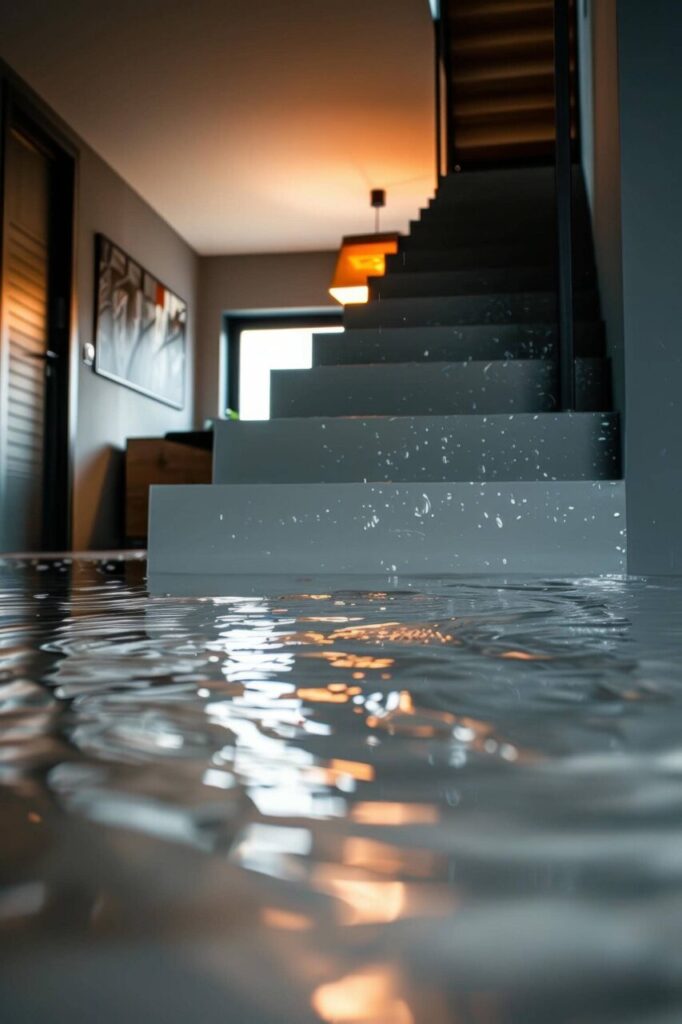
Floodwaters in your basement can introduce a variety of harmful pathogens that pose serious health risks. It’s vital to act quickly to mitigate these dangers and prevent further property damage. Understanding the proper procedures for sewage cleanup isn’t just about removing water; it involves specific safety measures and equipment. Discovering how to effectively tackle this issue could save you time, money, and ensure a safe environment for your household.
Key Takeaways
- Wear appropriate personal protective equipment (PPE) such as gloves, masks, and boots to ensure safety during cleanup.
- Turn off the electricity in the flooded area to prevent electrical hazards before starting the cleanup process.
- Use a sewage pump to quickly remove standing water while ensuring proper handling of hazardous materials.
- Disinfect all surfaces with effective cleaning solutions like bleach or hydrogen peroxide to eliminate pathogens and contaminants.
- Call professional cleanup services when sewage levels are significant or water has been standing for over 24 hours for safe restoration.
Understanding the Risks of Sewage Contamination
When floodwaters infiltrate your basement, it’s essential to recognize the risks of sewage contamination that can arise.
Sewage health risks stem from exposure to pathogens, bacteria, and viruses commonly found in floodwaters. These contaminants can enter your home through various sources, such as broken sewer lines, storm drains, or even backed-up toilets.
When you breathe in or come into contact with these contaminated waters, you face potential health issues, including gastrointestinal infections, skin irritations, and respiratory problems.
Understanding these risks helps you prioritize safety and act accordingly. The importance of addressing sewage contamination can’t be overstated, as timely intervention can mitigate long-term health concerns.
Initial Safety Precautions to Take
Before entering a flooded basement, you must prioritize safety to minimize health risks from sewage contamination.
First, make certain that you’re wearing appropriate personal protective equipment (PPE), including gloves, boots, and masks. This gear will shield you from harmful bacteria and pathogens commonly found in sewage.
Next, check for electrical hazards; turn off the power to the basement if possible, and never enter water that may be electrified.
Confirm that you have your emergency contacts readily available. This includes local health departments and sewage cleanup professionals who can guide you on the next steps.
Always have a flood preparedness plan in place for future incidents, which should include evacuation routes and your emergency contacts.
Essential Equipment for Sewage Cleanup
To effectively tackle sewage cleanup in a flooded basement, you’ll need specialized equipment designed to handle hazardous materials safely and efficiently.
First and foremost, sewage pumps are essential; they quickly remove standing water, making the area safer and more manageable. Choose a pump with a high capacity to expedite the process.
Next, you’ll require cleanup chemicals specifically formulated for sewage contamination. These chemicals neutralize pathogens and odors, ensuring a thorough disinfecting process. Look for products that are biodegradable and non-toxic to minimize environmental impact.
You’ll also want personal protective equipment (PPE) like gloves, masks, and goggles to keep yourself safe from harmful bacteria.
Additionally, a wet/dry vacuum can help remove smaller amounts of residual water and debris.
Having this essential equipment on hand allows you to address sewage cleanup effectively, protecting your home and health while fostering a sense of community responsibility.
Step-by-Step Sewage Removal Process
Before starting the sewage removal process, you need to prioritize safety precautions to protect yourself from hazards.
Gather the necessary equipment and supplies to ensure an efficient cleanup and prepare for proper disposal methods to comply with local regulations.
Safety Precautions First
While sewage cleanup might seem intimidating, prioritizing safety is essential to protect yourself from harmful pathogens and hazardous materials.
First, make sure you wear personal protective equipment (PPE), including gloves, masks, and waterproof boots. This gear minimizes your exposure to contaminants.
Before starting the cleanup, turn off the electricity in the affected area to avoid electrocution. It’s also wise to have emergency contacts readily available, such as local health departments or sewage cleanup professionals, should you encounter hazardous situations.
Additionally, avoid direct contact with sewage and never attempt to clean it up alone if you feel overwhelmed.
Following these precautions safeguards your health and fosters a sense of community and shared responsibility in dealing with such emergencies.
Equipment and Supplies Needed
Having the right equipment and supplies is vital for an effective sewage cleanup process.
First, you’ll need a high-capacity pump for quick sewage removal, ensuring you manage the water effectively. Industrial-grade wet/dry vacuums are important for capturing residual waste and moisture.
Personal protective equipment, like gloves, masks, and goggles, keeps you safe during the cleanup. You’ll also require heavy-duty trash bags and disinfectants to tackle contamination and odors.
Consider using moisture meters to monitor dampness and prevent future flooding. Finally, make sure you have tarps or plastic sheeting to protect unaffected areas during cleanup.
Proper Disposal Methods
Once you’ve gathered your equipment, it’s important to follow a systematic approach for proper sewage disposal.
Start by evaluating the wastewater to determine if it includes hazardous materials. If it does, contact local authorities for guidance on hazardous material disposal.
Next, use a sump pump to remove standing water, making sure you’re wearing protective gear throughout the process.
Collect solid waste and contaminated materials in sealed bags for proper waste management. Dispose of these materials at designated waste facilities that handle sewage.
Finally, disinfect the area thoroughly to prevent any lingering pathogens.
Following these steps ensures safety and fosters a sense of responsibility within your community for effective sewage management.
Disinfecting and Sanitizing the Affected Area
Once you’ve removed the sewage, it’s vital to disinfect and sanitize the affected area to prevent health hazards.
Gather essential cleaning supplies like gloves, masks, and appropriate disinfectants, ensuring you follow safety guidelines.
Use safe disinfection techniques to effectively eliminate pathogens and restore a healthy environment.
Essential Cleaning Supplies
When dealing with sewage cleanup in flooded basements, having the right cleaning supplies is vital for effectively disinfecting and sanitizing the affected area.
To ensure your cleaning strategies are successful, keep a supply checklist handy. Here are three important items to include:
Heavy-duty gloves – Protect your hands from contaminants.
Disinfectant solution – Use a product specifically designed for sewage cleanup to eliminate harmful bacteria and viruses.
Mops and buckets – These tools help in the efficient removal of water and waste.
Safe Disinfection Techniques
After gathering the necessary cleaning supplies, the next step is to focus on safe disinfection techniques to thoroughly sanitize the affected area.
Begin by selecting effective disinfectants, such as chlorine bleach or hydrogen peroxide, which can eliminate harmful pathogens. Mix the disinfectant according to the manufacturer’s instructions for ideal safety and efficacy.
Use a spray bottle or cloth to apply the solution, ensuring you cover all surfaces, including walls, floors, and furniture. Allow the disinfectant to sit for the recommended contact time, typically around 10 minutes, to confirm safe sanitation.
Finally, ventilate the area by opening windows or using fans to disperse any lingering odors. This approach protects your health and fosters a clean environment for everyone.
Preventing Future Flooding and Sewage Issues
To effectively prevent future flooding and sewage issues, it’s essential to assess and improve your home’s drainage systems.
Implementing solid flood mitigation strategies can greatly reduce risks. Here’s what you can do:
Inspect Gutters and Downspouts: Regularly clean and maintain your gutters to ensure proper water flow, directing it away from your foundation.
Install a Sump Pump: Consider a sump pump in your basement to manage excess water, serving as a reliable sewage backup prevention measure.
Landscaping Adjustments: Grade your yard to slope away from your home. This simple change can redirect rainwater and minimize flooding.
When to Call Professional Cleanup Services
Recognizing the right moment to call professional cleanup services can make a significant difference in the aftermath of a sewage flood. If you’re facing extensive water damage, it’s essential to act swiftly.
An emergency response team can assess the situation and determine the extent of the contamination. Don’t underestimate the health risks associated with sewage; a professional assessment ensures that all hazardous materials are safely removed, protecting your home and family.
You should call for help if the sewage levels are significant or if water has been standing for more than 24 hours. If you’re unsure about the safety of your environment, it’s better to err on the side of caution.
Professionals have the training and equipment to handle these situations effectively. Involving experts speeds up the cleanup process and gives you peace of mind, knowing your home is restored to a safe condition.
Frequently Asked Questions
How Can I Identify Sewage Contamination in My Basement?
You can identify sewage contamination in your basement by noting sewage odors and looking for contamination signs like discoloration, moisture, or mold. Address these issues promptly to ensure safety and prevent further damage.
What Should I Wear During Sewage Cleanup?
You’ll want to don heavy-duty protective gear—think superhero-level cleanup clothing! Wear gloves, masks, and waterproof boots to shield yourself from contaminants. Prioritize safety, and you’ll tackle the mess with confidence and style.
Can I Use Regular Bleach for Disinfecting Sewage Areas?
You shouldn’t use regular bleach for disinfecting sewage areas; its effectiveness diminishes in contaminated environments. Instead, opt for specialized disinfecting methods designed for this situation to ensure thorough sanitation and safety during the cleanup process.
How Long Does It Take for Sewage Cleanup?
Sewage cleanup duration varies, but expect several hours to a couple of days for thorough sewage removal, depending on the extent of the contamination. Timely action ensures safety and reduces long-term damage risks.
Will My Insurance Cover Sewage Cleanup Costs?
Your insurance may cover sewage cleanup costs, but it depends on your insurance policies and coverage limits. Review your plan carefully and consult your agent to understand what’s included in your specific situation.
Review
In the aftermath of a flooded basement, swift sewage cleanup is your lifeline to safety and health. By taking immediate action—wearing PPE, utilizing the right equipment, and following the cleanup process—you can stem the tide of contamination. Think of your home as a fortress; without proper defense against sewage, it becomes vulnerable to unseen invaders. If the situation overwhelms you, don’t hesitate to call in the professionals to restore your sanctuary to its former glory.
Recent Posts
What to Do for Urgent Cleanup
When urgent cleanup hits, you need to act fast and stay safe. You’ll first check
24/7 Storm Damage Repair Experts
When a storm hits, you need help fast, and you can’t afford to wait until
24/7 Emergency Water Damage Repair Guide
After a burst pipe soaks your basement at 2 a.m., you need 24/7 Emergency Water Damage Repair to