
Contents
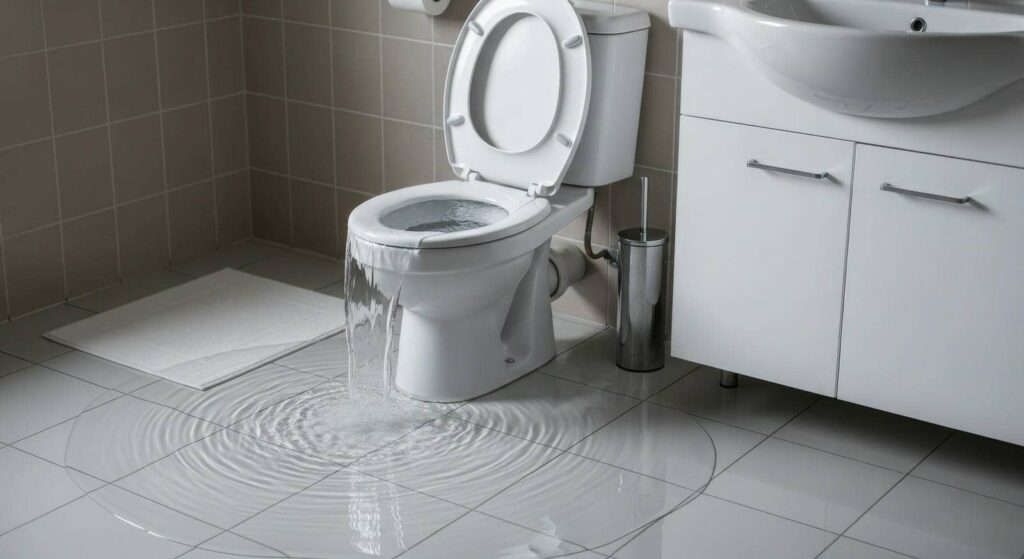
A burst pipe can feel like a storm flooding your home, leaving chaos in its wake. But don’t worry; you don’t need to spend a fortune to restore your space. By using everyday items and a few simple techniques, you can tackle sewer water cleanup effectively. Let’s explore how you can turn this challenging task into an achievable project without breaking the bank. What tools and methods will make your cleanup both efficient and economical?
Key Takeaways
- Use eco-friendly disinfectants like vinegar and baking soda, which are cost-effective and safe for the environment.
- Create a natural cleaning solution with essential oils for antimicrobial properties without breaking the bank.
- Utilize a wet/dry vacuum for bulk sewage removal to minimize the need for expensive professional services.
- Scrub affected surfaces thoroughly and allow areas to dry completely to prevent costly mold growth.
- Maintain regular drain cleaning and plumbing inspections to prevent future sewage issues and save on repairs.
Assessing the Damage and Safety Precautions
When faced with a sewer water incident, evaluating the damage is your first critical step. Start by identifying the affected areas in your home. Look for discoloration, warping, or any unpleasant odors that hint at contamination.
This damage assessment isn’t just about your property; it’s crucial for your health and safety too.
Before diving in, equip yourself with the right safety gear. Wear gloves, boots, and a mask to protect yourself from harmful bacteria and pathogens often found in sewer water.
It’s essential to prioritize your well-being during this process.
Take careful notes of the damage you observe, as this information will aid in future cleanup efforts and potential insurance claims. Documenting the extent of the damage helps you understand the situation and plan the next steps effectively.
Essential Tools for DIY Sewer Cleanup
After evaluating the damage and ensuring your safety, it’s time to gather the right tools for an effective DIY sewer cleanup. You’ll need essential cleaning supplies like disinfectants, bleach, and heavy-duty trash bags to handle the mess safely.
A mop and bucket, along with a wet/dry vacuum, will help you remove excess water and debris efficiently.
Don’t forget protective gear! Wear gloves, rubber boots, and goggles to shield yourself from harmful contaminants. A face mask is also vital to prevent inhaling any dangerous particles.
Having a sturdy shovel or scoop will aid in removing solid waste. An old sponge or rags can help soak up the remaining moisture.
Step-by-Step Guide to Sewage Water Removal
To effectively remove sewage water, start by evaluating the area to identify the extent of the contamination and any hazards present.
Confirm you wear protective gear, including gloves and masks, to safeguard your health. Next, establish an emergency response plan in case the situation escalates.
Now, begin the sewage removal techniques by using a wet/dry vacuum to extract the bulk of the water. Once the majority is gone, use mops and absorbent materials to soak up remaining moisture.
Dispose of all contaminated materials properly to avoid further contamination.
After the bulk removal, thoroughly clean and disinfect the affected surfaces with a suitable solution to prevent mold growth.
Finally, ventilate the area well to promote drying and reduce odors. By following these steps, you’ll successfully manage sewage water removal and restore your space to a safe environment.
Cost-Effective Sanitization Techniques
Once the sewage water has been removed, the next step is ensuring the area is sanitized effectively without breaking the bank. You can achieve this by using eco-friendly products that are both safe and effective. For instance, a mixture of vinegar and baking soda serves as a powerful disinfectant while being gentle on the environment.
If you’re looking for DIY solutions, consider creating a natural cleaning spray using essential oils like tea tree or lavender, known for their antimicrobial properties. Not only will this help eliminate odors, but it’ll also leave your space smelling fresh.
Make sure to scrub surfaces thoroughly and let them dry completely to prevent mold growth.
Preventative Measures to Avoid Future Issues
While it may seem challenging to prevent future sewer water issues, implementing a few proactive measures can greatly reduce your risk.
Start with regular maintenance; keeping your drains clear and free of debris is essential. You can use a strainer in sinks and tubs to catch hair and food particles. Additionally, schedule plumbing inspections at least once a year. A professional can identify potential problems before they escalate, saving you time and money in the long run.
It’s also wise to be cautious about what you flush down toilets. Avoid disposing of non-biodegradable items that can clog your system.
Finally, consider installing a backflow prevention valve, especially if your area is prone to flooding. By taking these steps, you’ll protect your home and foster a sense of community responsibility, ensuring that everyone can enjoy a healthy and safe living environment.
Frequently Asked Questions
How Long Does It Take for Sewage Cleanup to Complete?
Sewage cleanup can take anywhere from a few hours to several days, depending on the extent of damage and cleanup duration. Effective sewage restoration requires thorough assessment and prompt action to ensure a safe environment.
Can I Use Bleach for Sewage Water Cleanup?
You might think bleach is a quick fix for sewage cleanup, but it’s not. Its effectiveness is limited, and it poses serious health risks. Consider safer alternatives to protect yourself and your environment.
What Should I Do if I Experience Health Issues After Cleanup?
If you experience health symptoms after cleanup, seek medical advice promptly. Describe your exposure and symptoms to a healthcare professional, ensuring they understand your situation. Prioritize your health and get the support you need.
Are There Any Government Grants for Sewage Cleanup Assistance?
Yes, you can find government funding for sewage assistance. Check local, state, and federal programs that support cleanup efforts. They often provide grants or low-interest loans to help you manage costs effectively.
How Can I Dispose of Contaminated Materials Safely?
To dispose of contaminated waste safely, you should follow local regulations. Use designated disposal methods, like hazardous waste facilities or collection events, ensuring you protect yourself and the environment while adhering to community guidelines.
Final Thoughts
In tackling sewer water cleanup, you’ve got the tools and techniques to handle the job without draining your budget. With a little elbow grease and eco-friendly products, you can restore your space to a safe haven. Imagine the satisfaction of stepping into a fresh, clean environment free from the worries of mold and contamination. So, why let a minor setback turn into a major headache? Take action now, and you’ll be prepared for whatever comes your way.
Recent Posts
Sewage Water Removal and Prevention Strategies
Sewage water contamination often goes unnoticed until it becomes a significant health risk. Understanding the
Sewage Water Removal and Prevention Guide
Sewage water contamination poses significant health risks and can damage your property if not addressed
Key Steps for Checking a Flooded Basement
Flooded basements cause significant property damage and pose health risks. To effectively address this issue,