
Contents
After experiencing water damage, it’s vital to take immediate action to prevent mold growth. You need to assess the extent of the damage, ensuring you identify all affected areas. Prompt and effective drying techniques are essential, as lingering moisture creates a perfect environment for mold. But there’s more to mold prevention than just drying; effective ventilation and routine cleaning play key roles too. Let’s explore the thorough steps you should take to safeguard your space.
Key Takeaways
- Conduct a thorough inspection and assess moisture levels immediately after water damage to identify affected areas and prevent mold growth.
- Utilize high-quality drying equipment, such as dehumidifiers and fans, to effectively reduce moisture levels and enhance ventilation.
- Clean and disinfect all surfaces with antifungal agents to eliminate mold spores and residual moisture after water damage.
- Use mold-resistant products, such as drywall and paints, in high-moisture areas to inhibit future mold growth.
- Implement regular maintenance schedules for inspections and monitor indoor humidity levels to prevent mold from returning.
Assessing the Extent of Water Damage
When facing water damage, the first step is evaluating its extent.
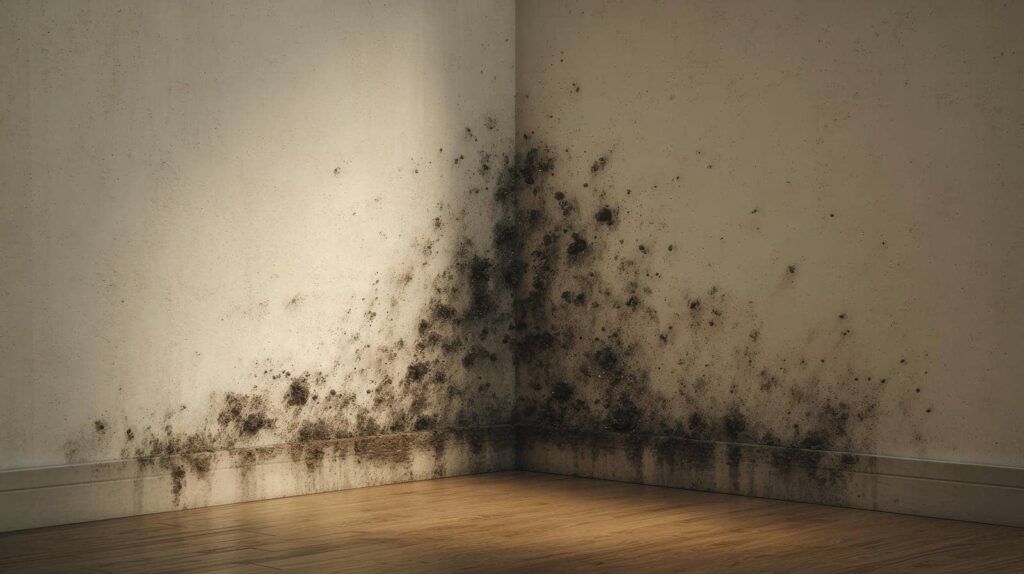
Begin with water detection to identify affected areas, focusing on walls, floors, and hidden spaces. Check for visible signs like discoloration, warping, or mold growth.
Use moisture meters for accurate readings; this helps ensure you accurately evaluate the structural integrity of your property. It’s essential to determine how deeply the water has penetrated materials, as this will guide your next steps.
Using moisture meters ensures precise assessments of water damage, guiding your restoration efforts effectively.
Remember, even minor damage can lead to significant issues if ignored. By thoroughly evaluating the situation, you protect your home and foster a safe environment for everyone involved.
Taking these precautions now can save you from costly repairs later.
Ensuring Proper Drying Techniques
To effectively prevent mold growth after water damage, it’s important to implement proper drying techniques immediately.
Start by using high-quality drying equipment like dehumidifiers and fans to rapidly reduce moisture levels. Make sure to target all affected areas, including hidden spaces behind walls and under floors.
Regularly monitor moisture control with a hygrometer to verify levels stay below 60%. Pay attention to porous materials, as they can retain moisture and foster mold growth.
If you notice persistent dampness, consider consulting a professional for assistance. Remember, swift action is key; the longer moisture lingers, the higher the risk of mold proliferation.
Taking these steps protects your space and promotes a healthier environment for everyone involved.
Implementing Effective Ventilation Strategies
How can proper ventilation contribute to mold prevention after water damage?
Effective ventilation strategies are essential in maintaining air circulation, which helps reduce humidity levels that mold thrives on. Implementing ventilation systems, such as exhaust fans and dehumidifiers, can facilitate airflow in affected areas.
Open windows and doors when possible to enhance natural ventilation, allowing moisture-laden air to escape. Regularly check and maintain your ventilation systems to ensure they’re functioning at their best.
You should also consider using air filters designed to trap mold spores, further minimizing the risk of mold growth.
Cleaning and Disinfecting Affected Areas
When cleaning and disinfecting areas affected by water damage, you’ll need specific supplies to effectively eliminate mold spores and bacteria.
It’s essential to follow proper disinfecting techniques and methods to ensure thorough sanitation.
Don’t forget to take into account safety precautions, like wearing protective gear, to safeguard your health during the process.
Essential Cleaning Supplies Needed
After experiencing water damage, having the right cleaning supplies on hand is essential for effectively tackling mold prevention.
First, gather suitable cleaning agents like antifungal sprays, mild detergents, and vinegar, which can help eliminate mold spores. You’ll also need scrub brushes and sponges for scrubbing surfaces.
Don’t forget your protective gear; wearing gloves, goggles, and masks is vital to safeguard yourself from exposure to harmful substances.
It’s also wise to have buckets for mixing your cleaning solutions and towels for drying affected areas thoroughly.
Disinfecting Techniques and Methods
To effectively disinfect areas affected by water damage, start by thoroughly cleaning all surfaces to remove any debris and residual moisture, as these can foster mold growth.
Once clean, apply suitable disinfecting solutions, such as a bleach-water mixture or commercial disinfectants, to kill any lurking spores. Follow the manufacturer’s instructions for optimal results.
Use appropriate surface treatments on porous materials, as they can absorb moisture and harbor mold. Pay special attention to corners and hidden areas, where mold may thrive.
After applying the disinfecting solutions, allow adequate contact time before rinsing or wiping away. Regularly check these areas for any signs of returning moisture or mold to maintain a safe, mold-free environment.
Safety Precautions to Consider
Cleaning and disinfecting areas affected by water damage requires careful attention to safety precautions. You must prioritize your safety by using appropriate protective gear, such as gloves, masks, and goggles. Additionally, ensure electrical safety by turning off power to affected areas before starting your cleaning process.
Using Mold-Resistant Products
When restoring areas affected by water damage, using mold-resistant products can greatly reduce the risk of mold growth.
You’ll find various materials designed to inhibit mold, offering both short-term and long-term benefits.
Understanding the right application techniques and tips can help ensure these products perform effectively in your space.
Types of Mold-Resistant Materials
While water damage can create a perfect environment for mold growth, using mold-resistant materials can greatly reduce this risk.
One essential option is mold-proof drywall, which contains special additives that inhibit mold spores from thriving. This type of drywall is particularly useful in high-moisture areas like bathrooms and kitchens.
Additionally, consider using mold-resistant paints, which enhance aesthetics and provide a protective barrier against mold growth. These paints contain antimicrobial agents that actively resist mold and mildew, making them ideal for spaces prone to dampness.
Benefits of Mold Resistance
Investing in mold-resistant products offers significant advantages, especially in areas susceptible to moisture.
One of the key mold resistance benefits is the reduction of health impacts associated with mold exposure. By using these specialized materials, you can minimize the risk of respiratory issues, allergies, and other health problems that mold can cause. This proactive approach protects you and your loved ones and fosters a healthier living environment.
Additionally, mold-resistant products can extend the lifespan of your structures by preventing costly damage, ultimately creating a sense of security and belonging in your home.
When you prioritize mold resistance, you’re not just safeguarding your property; you’re investing in the well-being of everyone who shares your space.
Application Techniques and Tips
To effectively apply mold-resistant products, it’s crucial to prepare the affected area thoroughly beforehand. Start by cleaning surfaces with a mixture of water and detergent to remove any existing mold growth.
Once dry, ensure proper ventilation while applying the mold-resistant product according to the manufacturer’s instructions. Use a brush or roller for even coverage, particularly in corners and crevices where moisture can linger.
Be mindful of humidity levels; aim for below 60% to enhance your prevention strategies. After application, allow adequate drying time before sealing the area.
Finally, regularly inspect treated surfaces to ensure ongoing protection. By following these steps, you’ll greatly reduce the risk of mold growth and create a healthier environment for everyone.
Monitoring Humidity Levels
Humidity plays an essential role in mold prevention after water damage, as high moisture levels can create an ideal environment for fungal growth. To ensure effective humidity control, regularly monitor indoor moisture levels. Aim to keep humidity below 60% to reduce mold risk. Using a hygrometer can help you track these levels accurately.
Regular Maintenance and Inspections
While addressing water damage, regular maintenance and inspections are essential for preventing mold growth. By establishing routine inspections, you can identify potential problem areas before they escalate.
Make sure to create maintenance schedules that prioritize checking plumbing, roofing, and drainage systems, as these are common culprits for water intrusion. Don’t forget to examine your HVAC system, as it can harbor moisture and contribute to mold development.
Regularly cleaning gutters and ensuring proper ventilation can also mitigate risks. By staying proactive, you foster a safe environment for yourself and your loved ones.
Frequently Asked Questions
How Long Does It Take for Mold to Appear After Water Damage?
Mold growth timeline varies, but you might see mold within 24 to 48 hours after water damage. Factors like humidity, temperature, and material type can accelerate this process, so act quickly to mitigate risks.
Can I Prevent Mold With Household Products?
Yes, you can prevent mold with household products. Using a vinegar solution and baking soda regularly helps inhibit mold growth. Make sure to clean surfaces promptly and maintain low humidity levels for ideal results.
What Are the Health Effects of Mold Exposure?
Did you know many people exposed to mold develop mold symptoms? These health risks can include respiratory issues, skin irritation, and allergic reactions. It’s essential to address mold promptly to safeguard your well-being.
Is It Safe to Stay in My Home During Mold Remediation?
Staying home during mold remediation isn’t always safe. Mold remediation safety protocols often require vacating the property. It’s essential to follow professional advice to protect your health and ensure a thorough, effective cleaning process.
Do I Need Professional Help for Small Mold Issues?
When dealing with small mold issues, you might think DIY solutions are enough. However, it’s often wiser to consult professionals, ensuring a thorough approach and preventing potential health risks associated with mold exposure. Your safety matters.
Recap
Effective mold prevention after water damage is like building a sturdy dam against a rising tide. By evaluating damage, employing proper drying techniques, and ensuring good ventilation, you create barriers against mold growth. Regular cleaning, the use of mold-resistant products, and ongoing humidity monitoring keep your environment safe. Remember, proactive maintenance and inspections are your allies in this ongoing battle, allowing you to stay ahead of potential mold issues and protect your home’s health.
Recent Posts
What Are Top Tips for Water Removal and Prevention?
Effective water removal and prevention strategies are essential to protect your property from costly damage.
Sewage Water Removal and Prevention Strategies
Sewage water contamination often goes unnoticed until it becomes a significant health risk. Understanding the
Sewage Water Removal and Prevention Guide
Sewage water contamination poses significant health risks and can damage your property if not addressed