
Contents
A flooded basement is a ticking time bomb for mold growth, signaling the need for immediate action. If you don’t act quickly, mold can thrive in the damp environment, posing health risks and structural damage. Understanding the nuances of effective mold remediation is essential for safeguarding your home. By recognizing the right steps and precautions, you can tackle this issue head-on and ensure a healthier living space. What’s your plan for managing this hidden threat?
Key Takeaways
- Begin mold remediation within 24-48 hours post-flooding to prevent rapid mold growth due to moisture.
- Utilize personal protective equipment (PPE) like N95 respirators, gloves, and goggles for safety during the cleanup process.
- Remove and dispose of heavily infested porous materials, such as carpets and drywall, to eliminate mold sources.
- Use dehumidifiers and fans to dry out the basement and maintain humidity levels between 30-60% to prevent future mold growth.
- Consider hiring professional mold remediation services for thorough inspections and safe removal to ensure effective mold control.
Understanding Mold Growth After Flooding
When your basement floods, mold growth can start within 24 to 48 hours, making it vital to understand the conditions that foster this rapid proliferation. The mold lifecycle begins with spores, which require moisture to germinate. When your basement becomes damp, it creates an ideal environment for these spores to thrive.
It’s imperative to manage moisture control effectively to prevent mold from establishing itself. Humidity levels above 60% can trigger mold growth, so regularly monitoring and adjusting your basement’s humidity can be a game-changer.
Ensure proper ventilation, use dehumidifiers, and promptly address any leaks. By keeping moisture in check, you disrupt the mold lifecycle and maintain a healthier living space.
Recognizing the importance of these preventive measures safeguards your home and fosters a sense of community among those facing similar challenges. Together, you can create a mold-free environment.
Identifying Mold-Infested Areas in Your Basement
To effectively identify mold-infested areas in your basement, you need to recognize the signs of mold growth, such as discoloration on walls or a musty odor.
Utilize inspection techniques and tools like moisture meters to pinpoint damp spots where mold is likely to thrive.
Thoroughly evaluating these indicators will help you address the issue before it escalates.
Signs of Mold Growth
Although mold thrives in damp environments, identifying its presence in your basement requires careful observation of specific signs.
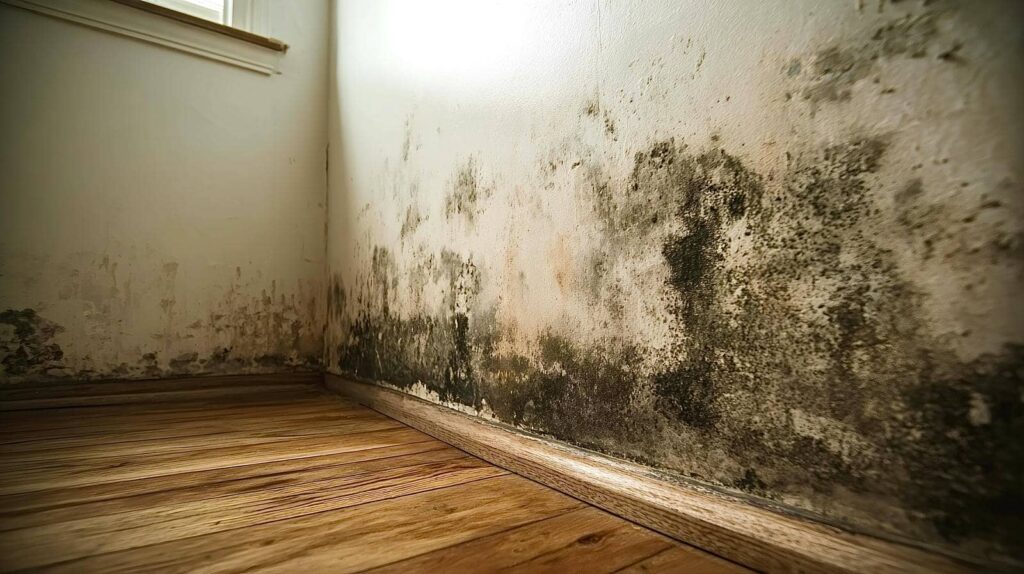
Look for visible mold growth on walls, ceilings, and floors, often appearing as fuzzy patches in colors like green, black, or white.
Pay attention to musty odors, which indicate hidden mold infestations.
Check for moisture sources such as leaks, condensation, or humidity, as these contribute to the mold lifecycle.
Stains or discoloration on surfaces can also signal mold activity.
If you notice peeling paint or warping materials, it’s likely a sign of moisture problems that can foster mold growth.
Inspection Techniques and Tools
While mold can often be elusive, using effective inspection techniques and tools can help you pinpoint infested areas in your basement.
Start by employing various mold inspection methods alongside moisture detection tools. These can reveal hidden moisture, a primary cause of mold growth.
Consider the following techniques:
Visual Inspections: Look for discoloration on walls, ceilings, and floors.
Moisture Meters: Use these tools to measure humidity levels in materials.
Infrared Thermography: Detect temperature variations that indicate moisture presence.
Air Sampling: Collect air samples to identify airborne mold spores.
Safety Precautions Before Starting Mold Remediation
Before you start mold remediation, it’s vital to prioritize safety through proper precautions.
Equip yourself with personal protective equipment, ensure adequate ventilation and airflow, and address any electrical safety measures in the area.
Taking these steps protects your health and enhances the effectiveness of the remediation process.
Personal Protective Equipment
When tackling mold remediation after a basement flood, it’s vital to prioritize your safety by using appropriate personal protective equipment (PPE).
Adhering to PPE guidelines protects you and fosters a sense of community responsibility.
Here are essential PPE types you should consider:
- N95 respirator: Filters airborne particles, reducing inhalation risks.
- Gloves: Waterproof, durable gloves to shield your hands from mold and chemicals.
- Goggles: Protect your eyes from mold spores and cleaning agents.
- Coveralls: Wear disposable or washable coveralls to prevent skin contact with mold.
Ventilation and Airflow
Ensuring proper ventilation and airflow is essential for effective mold remediation after a basement flood, as it helps to minimize the concentration of airborne spores and improve the overall safety of the environment.
Start by opening windows and doors to promote air circulation, allowing fresh air to replace the stagnant, damp air that encourages mold growth. If possible, use fans to enhance airflow, directing moist air outside.
Additionally, consider using a dehumidifier to aid in moisture control, as reducing humidity levels greatly decreases mold proliferation.
Always monitor the space for adequate ventilation throughout the remediation process, as maintaining airflow not only supports your efforts but also fosters a healthier space for you and your loved ones.
Electrical Safety Measures
To safely tackle mold remediation in a flooded basement, it’s crucial to prioritize electrical safety measures, as water and electricity can create hazardous conditions.
Before you begin, follow these safety protocols to protect yourself and your home:
- Disconnect power to all affected electrical circuits.
- Use a voltage tester to verify that outlets and wiring are safe.
- Wear insulated rubber gloves and boots while working.
- Avoid using extension cords in wet areas.
Essential Tools and Supplies for Mold Removal
While tackling mold removal after a basement flood, having the right tools and supplies is essential for effective remediation.
Start by gathering essential mold removal tools, such as a HEPA vacuum, which captures tiny mold spores, and a moisture meter to assess damp areas. You’ll also need personal protective equipment, including gloves, goggles, and a mask, to keep yourself safe during the process.
When it comes to cleaning supplies, opt for commercial mold removers or a mixture of water and detergent for less severe cases.
Make sure you have scrub brushes and sponges on hand to effectively remove mold from surfaces. A spray bottle can help apply your cleaning solution efficiently.
Finally, don’t forget to stock up on disposal bags for contaminated materials.
With these tools and supplies, you’ll be well-prepared to tackle mold effectively and restore your space to a safe, healthy environment.
Step-by-Step Mold Removal Process
To effectively tackle mold removal, you need to start by evaluating the contamination levels in your basement.
This evaluation guides your safe removal techniques and ensures you address all affected areas.
Finally, implementing thorough cleanup and prevention strategies will help you avoid future mold growth.
Assessing Mold Contamination Levels
Before you can begin mold remediation, it’s essential to assess the levels of contamination in your basement.
Start by identifying the mold types present, as different species can indicate specific contamination sources. To effectively evaluate the situation, consider these steps:
- Inspect for visible mold growth on surfaces.
- Use a moisture meter to check for dampness in walls and flooring.
- Test the air quality with mold spore sampling kits.
- Document areas affected to track progress.
Understanding the contamination levels helps you prioritize your remediation efforts and ensures a safer environment for you and your family.
Safe Removal Techniques
A thorough mold removal process is essential for ensuring your basement is safe and healthy after flooding.
Start by donning protective gear, including gloves and a mask, to safeguard yourself against spores. Next, isolate the contaminated area to prevent spreading.
Remove and dispose of any porous materials, like drywall or carpeting, that are heavily infested. For non-porous surfaces, scrub them with a mixture of water and detergent, then apply a suitable surface treatment to eliminate remaining spores.
Be sure to ventilate the area well throughout the process. Finally, monitor humidity levels to deter future growth.
Final Cleanup and Prevention
After safely removing mold-infested materials and cleaning surfaces, the focus shifts to the final cleanup and prevention strategies.
It’s essential to ensure that your space remains mold-free over time. Start with a thorough post-remediation assessment to confirm all mold is gone.
Then, implement the following key strategies:
- Seal any leaks in walls or pipes to prevent water intrusion.
- Control humidity levels by using dehumidifiers and ensuring proper ventilation.
- Regularly inspect the area for any signs of moisture or mold resurgence.
- Schedule long-term monitoring to catch any potential issues early.
Drying and Dehumidifying Your Basement
Once the floodwaters recede, promptly drying and dehumidifying your basement becomes essential to prevent mold growth and structural damage.
Start by removing any standing water with pumps or wet vacuums. Next, enhance your basement ventilation by opening windows and doors, allowing fresh air to circulate. This step is critical for reducing moisture levels.
Utilize fans and dehumidifiers to expedite the drying process. Position fans strategically to encourage airflow across wet surfaces. Dehumidifiers are important for effective humidity control; they help extract excess moisture from the air, creating an environment less conducive to mold.
Monitor humidity levels, aiming for a range between 30-60%. Regularly check for damp areas or hidden moisture pockets that might hinder your efforts.
Preventing Future Mold Growth
Even with effective drying and dehumidifying, it’s essential to take proactive steps to prevent future mold growth in your basement.
Implementing humidity control measures and choosing mold-resistant materials can greatly enhance your basement’s defenses.
Here are some strategies to reflect upon:
Install a dehumidifier to maintain ideal humidity levels, ideally between 30-60%.
Use mold-resistant paint on walls and ceilings to inhibit mold growth.
Seal cracks and gaps in walls and floors to prevent moisture penetration.
Ensure proper ventilation by using exhaust fans or opening windows when the weather permits.
Professional Mold Remediation Services
When mold becomes a significant issue in your basement, relying on professional mold remediation services can be crucial for effective and safe removal. These experts conduct thorough mold inspections, identifying hidden growth that you might overlook.
Their experience ensures the removal process adheres to safety standards, protecting your health and home.
While some might hesitate due to remediation costs, consider it an investment in your property’s integrity and your family’s well-being. Professionals use advanced techniques and equipment to eliminate existing mold and prevent future outbreaks.
They provide a detailed plan, making sure you understand the process and associated costs upfront.
Choosing a professional service fosters a sense of belonging in your community, as you’re working with local experts who care about your home as much as you do.
In the end, investing in professional mold remediation can save you from more significant problems down the line.
Insurance Considerations for Mold Damage
How can you navigate the complexities of insurance coverage for mold damage? Understanding your insurance policy is vital, as coverage limits can vary greatly between plans. Here are some key considerations:
Check for mold exclusions: Some policies may not cover mold damage, so it’s important to read the fine print.
Understand coverage limits: Be aware of how much your policy covers for mold remediation, as it may not fully address extensive damage.
Document the damage: Take photos and keep records of the flooding and subsequent mold growth to support your claim.
Consult your agent: Don’t hesitate to reach out to your insurance agent for clarification on your policy’s specifics regarding mold damage.
Being proactive about these aspects can help you effectively address mold issues after flooding and ensure you’re adequately covered.
Maintaining a Mold-Free Environment
After addressing the complexities of insurance coverage for mold damage, it’s important to focus on proactive measures to maintain a mold-free environment in your home.
Start by using mold-resistant materials during renovations or repairs; these materials can greatly reduce the risk of mold growth. Additionally, invest in humidity control systems, such as dehumidifiers or proper ventilation, to keep moisture levels in check. Aim for indoor humidity between 30% and 60% for ideal mold prevention.
Regularly inspect areas prone to dampness, like basements and bathrooms, and address any leaks or water issues immediately. Confirm your home has adequate airflow by keeping vents clear and using exhaust fans when cooking or showering.
Finally, incorporate routine cleaning with mold-inhibiting products to further reduce the likelihood of mold spores taking hold. By implementing these strategies, you create a healthier living space for yourself and your loved ones.
Frequently Asked Questions
How Long Does It Take for Mold to Develop After Flooding?
Mold can start developing within 24 to 48 hours after flooding. To minimize the mold growth timeline, you should promptly address flood damage prevention by drying out affected areas and improving ventilation.
Can I Use Bleach to Remove Mold Effectively?
You can’t rely on bleach for effective mold removal. While it kills surface mold, it doesn’t penetrate porous materials, allowing mold to return. Consider using specialized mold removers for a more thorough and lasting solution.
What Are the Health Risks Associated With Mold Exposure?
Mold exposure can feel like an uninvited guest, bringing health issues like respiratory problems, allergies, and skin irritations. You’ll notice mold symptoms manifesting in your body, reminding you to prioritize a safe, clean environment.
How Do I Know if I Need Professional Help?
If you notice persistent mold growth, musty odors, or health issues, you likely need professional help. A mold inspection and professional assessment can identify the extent of the problem, ensuring a thorough and safe remediation process.
Will Mold Return After Remediation if I Don’t Fix the Source?
Yes, mold will likely return after remediation if you don’t fix the source. Prioritize mold prevention and moisture control to create a healthier environment and foster a sense of safety and belonging in your space.
Conclusion
Tackling mold after basement flooding isn’t just a task; it’s a necessity for your home’s health. By acting swiftly and following the outlined steps, you can effectively eradicate mold and prevent its return. Remember, neglecting mold issues can lead to costly repairs and health risks down the line. So, isn’t it worth investing the time and effort now to secure a safe, dry environment for you and your family? Your home deserves it.
Recent Posts
Mold Inspection and Removal After Water Damage
After water damage, you might not realize how quickly mold can develop. Within just 24
5 Best Strategies for Post-Water Damage Cleanup
Water damage can feel like a relentless tide, eroding the safety and comfort of your
Why Mold Inspections Matter After Water Damage
After experiencing water damage, it’s vital to address potential mold growth promptly. Mold can proliferate