
Contents
You might think emergency water damage repair is overwhelming, but with the right approach, it’s manageable. First, you need to assess the damage quickly and safely to prevent further issues. Knowing the steps to take can make all the difference in minimizing harm and costs. So, let’s explore essential techniques that can help you tackle this situation efficiently and effectively.
Key Takeaways
- Identify the source of water and stop it to prevent further damage before starting repairs.
- Use a pump to extract excess water quickly, choosing the appropriate type for the situation.
- Dry out affected areas using fans and dehumidifiers to reduce humidity and prevent mold growth.
- Inspect and document damage to walls, ceilings, and floors for effective repair and replacement planning.
- Seek professional help if the damage is extensive or beyond your repair capabilities.
Assessing the Damage
When you discover water damage, it’s essential to assess the situation immediately.
Start your damage evaluation by identifying the source of the water and the extent of the damage. Inspect walls, ceilings, and floors for signs of moisture, stains, or warping. Pay particular attention to areas where structural integrity may be compromised, such as near beams and foundations.
Document your findings with photos and notes, as this will help during the repair process. Don’t hesitate to seek professional assistance if the damage appears severe or beyond your expertise.
Taking prompt action protects your property and fosters a sense of belonging, knowing you’re safeguarding your home for yourself and your loved ones.
Safety Precautions
Before diving into water damage repairs, you must prioritize safety to protect yourself and others. Start by assembling your personal protective equipment (PPE), including gloves, goggles, and masks to shield against contaminants.
Make certain your emergency response plan is in place, guiding you to evacuate if necessary and to contact professionals when the damage exceeds your capacity. Familiarize yourself with the layout of the affected area to avoid hazards like electrical shock or structural collapse.
Keep a first aid kit handy for minor injuries. Communicating with those around you fosters a sense of belonging, making sure everyone understands their role in maintaining safety.
Water Extraction Techniques
When dealing with water damage, effective water extraction is essential.
You’ll want to start by pumping out excess water to prevent further issues.
Following that, using dehumidifiers effectively will help reduce moisture and promote faster drying.
Pumping Excess Water
Pumping excess water from a flooded area is essential for minimizing damage and preventing mold growth.
To effectively handle water removal, you’ll need to choose the right pump types. Submersible pumps are ideal for deep water, while utility pumps work well for shallower flooding.
Start by evaluating the situation; make sure you have a power source nearby to operate the pump. Once you’ve set up your equipment, begin pumping the water out systematically.
Keep an eye on the water level to prevent overloading your pump. After you’ve removed the majority of the water, inspect for any remaining moisture, as lingering water can lead to further complications.
Taking these steps will help you restore your space efficiently and effectively.
Using Dehumidifiers Effectively
After removing the bulk of the water, using dehumidifiers effectively is crucial for tackling residual moisture and preventing mold growth.
Set your dehumidifier settings according to the size of the affected area; smaller spaces require lower settings, while larger areas benefit from higher levels. Aim for a humidity level below 60% for ideal moisture control.
Place the dehumidifier in a central location to ensure maximum airflow, and keep doors and windows closed to improve efficiency. Regularly check the water collection tank, emptying it as needed to maintain continuous operation.
Drying Out Wet Drywall
Although wet drywall can be a significant concern following water damage, addressing the issue promptly can prevent further complications like mold growth and structural damage.
Start by measuring the moisture levels in your drywall using a moisture meter. This tool helps you assess the extent of the damage and know when it’s safe to proceed. Given the drywall composition, it’s essential to act quickly; if drywall absorbs too much water, it can weaken and lose its integrity.
Use fans and dehumidifiers to circulate air and reduce humidity levels. You might also create ventilation by opening windows and doors.
Monitor the drying process regularly, confirming moisture levels drop to safe levels before considering any repairs. Your prompt action will ensure a safer, healthier environment.
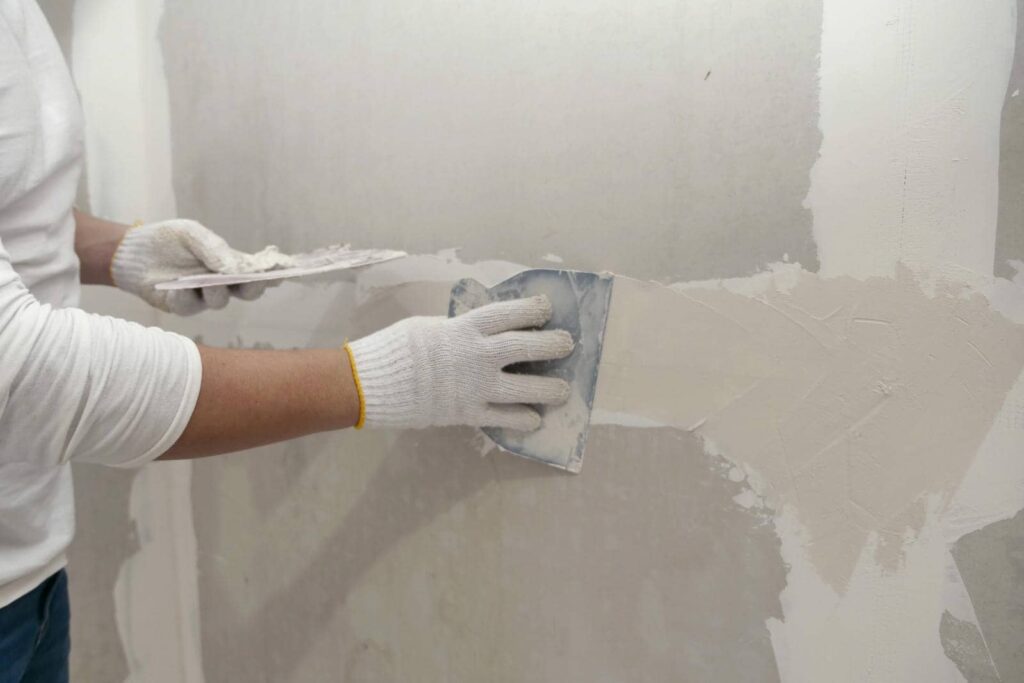
Repairing and Replacing Damaged Sections
Once you’ve dried out the wet drywall, it’s essential to assess the extent of the damage.
By evaluating the affected areas, you can determine whether repairs or replacements are necessary.
Choosing the right replacement materials ensures durability and a seamless finish in your restoration efforts.
Assessing Damage Extent
Evaluating the extent of water damage is essential to determining the necessary repairs and replacements.
Start with a thorough damage evaluation; inspect walls, ceilings, and floors for visible signs of deterioration. Use moisture detection tools to identify hidden water intrusion, as undetected moisture can lead to mold growth and structural issues.
Pay close attention to areas around windows, doors, and plumbing fixtures, where damage is often most severe. Document your findings, noting the severity and location of damage, which will guide your repair strategy.
Selecting Replacement Materials
After evaluating the extent of water damage, the next step involves selecting appropriate replacement materials for repairs. You’ll want to focus on choosing materials that fit your budget and match the original style of your home to maintain its aesthetic appeal.
Prevention Tips for Future Incidents
While it may seem intimidating, taking proactive measures can greatly reduce the risk of future water damage incidents.
Start by investing in waterproofing solutions for your basement and crawl spaces; this creates a barrier against moisture intrusion.
Investing in waterproofing for basements and crawl spaces effectively creates a protective barrier against moisture intrusion.
Schedule routine inspections of your plumbing and roof to catch potential leaks before they escalate. Confirm that gutters and downspouts are clear and direct water away from your foundation.
Additionally, consider installing a sump pump in areas prone to flooding. Regularly check appliances like washing machines and water heaters for signs of wear.
Frequently Asked Questions
How Long Does It Take to Dry Out Water-Damaged Areas?
It typically takes 24 to 48 hours to dry out water-damaged areas using drying equipment. Conducting a moisture assessment helps you monitor progress, ensuring effective drying and preventing further damage to your property.
Can I Use Household Fans for Drying?
Yes, you can use household fans for drying. While they enhance household fan efficiency in drying techniques, combining them with dehumidifiers will yield better results, ensuring moisture evaporates quickly and efficiently from affected areas.
What Types of Insurance Cover Water Damage Repairs?
Most homeowner policies cover water damage repairs caused by plumbing issues. However, for damage from floods, you’ll need specific flood coverage. Check your policy details to verify you’re adequately protected against potential water damage.
Should I Call a Professional Immediately?
You should call a professional immediately. Their emergency response can greatly shorten your repair timeline, ensuring proper assessment and mitigation of damage. Swift action helps protect your home and fosters a sense of community support.
How Can I Identify Hidden Water Damage?
You’ll spot hidden water damage by checking for water stains on walls and ceilings. Don’t ignore mold growth; it often signals moisture issues. Trust your instincts—if something seems off, investigate further to ensure safety.
Final Thoughts
Addressing emergency water damage swiftly can save you significant time and money. By following the outlined steps, you can minimize damage and facilitate restoration. Always remember to prioritize safety and document your findings for future reference. Implementing preventative measures can further protect your home, ensuring you’re better prepared for any potential incidents down the line.
Recent Posts
Sewage Water Removal and Prevention Guide
Sewage water contamination poses significant health risks and can damage your property if not addressed
Key Steps for Checking a Flooded Basement
Flooded basements cause significant property damage and pose health risks. To effectively address this issue,
Top 5 Tips for Inspecting Flooded Basements
When you inspect a flooded basements, your first step is to assess the water level