
Contents
When dealing with basement water extraction, it’s vital to assess the situation thoroughly before taking action. You’ll need to prioritize safety and employ effective techniques tailored to your specific scenario. Manual removal methods, such as buckets and wet/dry vacuums, are often the first steps. However, for larger volumes, sump pumps become essential. Understanding the best approach can greatly impact the outcome. Let’s explore the various methods and their effectiveness in detail.
Key Takeaways
- Utilize buckets and wet/dry vacuums to manually remove standing water from the basement efficiently.
- Employ sump pumps for continuous water removal, considering placement and power supply for optimal performance.
- Use dehumidifiers and air movers together to control humidity levels and expedite drying.
- Apply mold inhibitors to moisture-prone surfaces to prevent future mold growth after water extraction.
- Engage professional water extraction services for thorough assessment and advanced equipment use.
Assessing the Water Situation
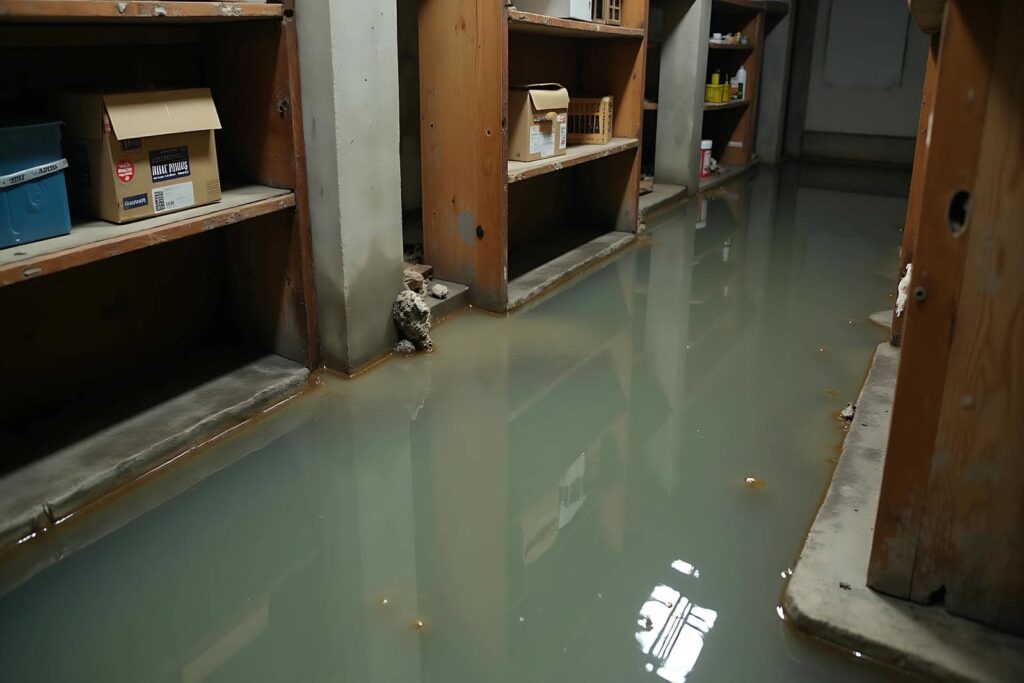
How can you effectively assess the water situation in your basement? Start by identifying potential water sources, such as leaks, flooding, or groundwater seepage.
Inspect the walls, floors, and corners for moisture, discoloration, or mold growth, which may indicate persistent issues.
Next, conduct a damage assessment by documenting the extent of water intrusion and its impact on structural elements, insulation, and personal belongings.
Assess the damage by documenting water intrusion effects on structures, insulation, and personal belongings for a comprehensive understanding.
Use a moisture meter to gauge dampness in materials, providing a clearer picture of the problem.
Take note of any standing water, as it can exacerbate damage and create hazards.
Safety Precautions Before Starting
Before you begin the water extraction process, it’s vital to prioritize safety to protect yourself and your property.
Start by evaluating potential hazards like electrical issues or structural instability. Make certain your workspace is well-ventilated to avoid inhaling harmful fumes.
Invest in proper protective gear; wear waterproof gloves, boots, and a mask to shield against contaminants and prevent slips. If the water is murky or contaminated, it’s essential to adhere to strict water safety guidelines.
Keep a first aid kit nearby and know how to use it in case of accidents.
Finally, communicate with anyone nearby about your plan, making sure they’re aware of your activities and can assist if needed.
Safety first ensures a smoother extraction process.
Manual Water Removal Techniques
Manual water removal techniques are essential when tackling basement flooding, especially in situations where mechanical pumps aren’t available or practical. You can effectively perform water extraction using a few straightforward methods.
Employing these manual techniques can greatly reduce water levels and help prevent further damage. Make sure you work systematically, starting from the highest point and moving downward to maximize efficiency.
Utilizing Sump Pumps
When considering sump pumps for basement water extraction, it’s essential to understand the various types available, such as pedestal and submersible pumps.
You’ll also need to evaluate installation considerations, including placement, power supply, and drainage options.
Proper selection and installation of a sump pump can greatly enhance your basement’s protection against flooding.
Types of Sump Pumps
Sump pumps are essential tools for effective basement water extraction, providing reliable solutions to manage excess water and prevent flooding.
You’ll typically encounter two main types: portable sump pumps and submersible sump pumps.
Portable sump pumps are versatile, allowing you to move them easily to different areas as needed, which is particularly useful during seasonal storms or unexpected water accumulation.
On the other hand, submersible sump pumps are designed to be installed directly in the sump pit, operating underwater to efficiently remove water.
Both types have distinct advantages based on your specific situation, such as the volume of water to be managed and the layout of your basement.
Choosing the right pump ensures peak performance and peace of mind during rainy seasons.
Installation Considerations
Before installing a sump pump, it’s vital to assess your basement’s specific needs to ensure peak performance.
Start by evaluating your existing drainage systems; they’ll impact how effectively the sump pump operates.
Consider the waterproofing options available, as they can enhance protection against future water intrusion.
You’ll need to determine the correct pump capacity based on the expected water volume and your basement’s size.
Placement is critical; install the sump pump in the lowest point of the basement for maximum efficiency.
Verify proper discharge lines are in place to direct water away from your foundation.
Finally, check local building codes to confirm compliance, fostering a sense of community and belonging in your efforts to maintain a dry, livable space.
Employing Wet/Dry Vacuums
When employing wet/dry vacuums for basement water extraction, it’s essential to choose the right model that meets your specific needs.
You’ll also need to follow proper usage techniques to maximize efficiency and minimize potential damage.
Finally, regular maintenance and care of your vacuum will ensure its longevity and reliable performance during critical times.
Choosing the Right Vacuum
Selecting the right vacuum for basement water extraction is crucial, especially if you’re dealing with significant flooding or persistent moisture issues.
Start by evaluating vacuum types; wet/dry vacuums are highly effective for this purpose. Look for models with strong suction power, as this will determine how quickly and efficiently you can remove water.
Pay attention to the tank capacity; larger tanks mean less frequent emptying during use. Additionally, consider features like filter quality and portability.
Some vacuums come with attachments that can help reach tight spaces, enhancing your extraction process. By choosing a vacuum that meets these criteria, you’ll ensure a more effective and efficient water removal experience, making you feel confident in tackling basement water issues head-on.
Proper Usage Techniques
To effectively employ a wet/dry vacuum for basement water extraction, you should first ascertain that the vacuum is set up properly to maximize its efficiency. Check the drainage systems in your basement to verify they’re clear, allowing for ideal water removal. Position the vacuum in a stable location, avoiding electrical hazards. Start with the largest water accumulation zones, and use the appropriate attachments for tight spaces.
Using these waterproofing techniques alongside your vacuum will enhance your basement’s resilience against future flooding. Stay methodical for the best results!
Maintenance and Care Tips
Although regular maintenance of your wet/dry vacuum may seem tedious, it’s essential for ensuring peak performance and longevity.
Start by routinely checking the filter; a clean filter optimizes suction and aids in moisture control. Inspect the hoses for clogs or damage—any obstruction can hinder your basement drainage efforts.
After each use, empty the tank promptly to prevent mold growth and odors. Regularly wipe down the vacuum’s exterior to keep it in top condition.
Consider using a vacuum with a HEPA filter to capture fine particles, enhancing air quality.
Finally, store your vacuum in a dry, cool area to protect it from humidity, ensuring it’s always ready for your next basement water extraction challenge.
Using Dehumidifiers and Air Movers
When managing water extraction in your basement, utilizing dehumidifiers and air movers is crucial for effectively reducing moisture levels.
Begin by adjusting the dehumidifier settings to a lower humidity level, typically between 30% and 60%. This ensures ideal moisture removal. Place the dehumidifier centrally in the basement for maximum efficiency.
Adjust your dehumidifier to 30-60% humidity and place it centrally for optimal moisture removal.
Next, focus on air mover placement; position them to create a circular airflow pattern. Aim the air movers toward wet areas while making sure they’re not obstructed. This combination promotes rapid evaporation and moisture control.
Regularly monitor both devices to maintain peak performance, making certain your basement stays dry and comfortable.
Chemical Solutions for Mold Prevention
Chemical solutions play an essential role in mold prevention, especially in damp environments like basements. To effectively combat mold growth, you should consider using mold inhibitors within your chemical treatments.
These inhibitors can be applied to surfaces prone to moisture, creating a protective barrier that prevents mold spores from settling and thriving.
When selecting a chemical treatment, look for products specifically designed for mold prevention, ensuring they’re compatible with your basement materials.
It’s vital to follow the manufacturer’s instructions for application and safety precautions. Regularly reapplying these treatments, especially after significant water exposure, maintains their effectiveness.
Repairs and Restoration Post-Extraction
After successfully extracting water from your basement, the next step involves addressing the repairs and restoration necessary to return your space to ideal condition.
Start by evaluating the damage: check for structural issues, mold growth, and moisture levels.
Begin with a thorough assessment of the damage, focusing on structural integrity, mold presence, and moisture levels.
Implement repair techniques such as patching walls and replacing flooring to ensure durability and aesthetics.
Focus on restoration processes like repainting and sealing surfaces to prevent future water intrusion.
Don’t overlook ventilation improvements to enhance air circulation and reduce humidity levels.
If applicable, consider installing a sump pump or drainage system for long-term protection.
Professional Water Extraction Services
While you might consider handling water extraction on your own, professional water extraction services offer expertise that ensures a thorough and efficient process.
These specialists utilize advanced equipment, like submersible pumps and industrial dehumidifiers, to remove water swiftly and effectively.
They also assess the extent of the damage, ensuring that all affected areas are treated to prevent mold growth and structural deterioration.
Frequently Asked Questions
How Can I Prevent Future Basement Flooding?
To prevent future basement flooding, install effective drainage solutions and a sump pump. Regularly maintain these systems, ensuring they’re clear and functional, so you can confidently safeguard your space from potential water damage.
What Are the Signs of Mold Growth After Water Extraction?
After water extraction, look for signs like musty odors and discoloration. Schedule a mold inspection for early detection and implement mold prevention strategies to safeguard your space.
How Long Does It Typically Take to Dry a Basement?
Drying a basement typically takes 24 to 48 hours, depending on drying techniques used and humidity levels. Effective ventilation and dehumidifiers can greatly reduce drying time, ensuring your space remains safe and mold-free.
Can I Use Household Fans for Water Extraction?
Yes, you can use household fans for water extraction. By maximizing fan efficiency and improving air circulation, you’ll accelerate drying. Position fans strategically to cover all areas, ensuring a thorough and effective drying process.
What Insurance Coverage Is Available for Basement Flooding?
When considering basement flooding, explore flood insurance as an essential option. Your coverage options may include dwelling protection, personal property coverage, and additional living expenses, ensuring you’re prepared for unexpected water damage and loss.
Final Thoughts
Ultimately, effective basement water extraction is like a well-coordinated rescue mission; every step counts. Just as a firefighter systematically douses flames to save a home, you must methodically remove water to protect your space. By combining manual techniques, sump pumps, and dehumidifiers, you create a safe haven from moisture and mold. Remember, tackling this challenge promptly restores your basement and safeguards your family’s health and comfort for years to come.
Recent Posts
Sewage Water Removal and Prevention Guide
Sewage water contamination poses significant health risks and can damage your property if not addressed
Key Steps for Checking a Flooded Basement
Flooded basements cause significant property damage and pose health risks. To effectively address this issue,
Top 5 Tips for Inspecting Flooded Basements
When you inspect a flooded basements, your first step is to assess the water level