
Contents
When water infiltrates your home, it can severely compromise the integrity of your drywall. Emergency water damage drywall services are essential for addressing this issue swiftly and effectively. These professionals assess the damage, remove affected materials, and implement drying techniques to prevent mold growth. Understanding the process and benefits of these services can help you safeguard your home from future incidents. Let’s explore the signs of water damage and the restoration process involved.
Key Takeaways
- Emergency water damage drywall services involve rapid assessment and documentation of water-damaged areas to identify the extent of the issue.
- Professionals remove damaged drywall to prevent further deterioration and prepare for restoration.
- Specialized equipment is used to thoroughly dry affected areas, eliminating moisture and preventing mold growth.
- Restoration involves applying sealants and mold-resistant materials to ensure durability and safety.
- These services are available 24/7, providing immediate assistance and community support from trained technicians.
Understanding Water Damage and Its Effects on Drywall
When water infiltrates your home, it can lead to significant damage, particularly to drywall, which is highly susceptible to moisture.
Understanding moisture detection is essential in addressing water damage effectively. Early identification of moisture presence prevents further deterioration and helps in determining whether drywall replacement is necessary.
If moisture is detected, it’s important to assess the extent of the damage. Mold growth can develop quickly in damp environments, posing health risks and requiring immediate attention.
In many cases, replacing affected drywall is the best solution to restore your home’s integrity and safety.
Signs of Water Damage in Drywall
Many homeowners may overlook the subtle signs of water damage in drywall until the issue becomes severe.
One of the most noticeable indicators is the presence of water stains, which often appear as discolored patches that can vary in color from yellow to brown. These stains usually signal that moisture has penetrated the drywall, potentially compromising its integrity.
Additionally, you should be wary of mold growth, which can develop in damp areas and poses health risks. You’ll often find mold in corners or along the edges of ceilings and walls.
If you notice these signs, it’s essential to address them promptly to prevent further damage and ensure a safe living environment. Ignoring these issues could lead to more extensive repairs down the line.
The Emergency Water Damage Drywall Restoration Process
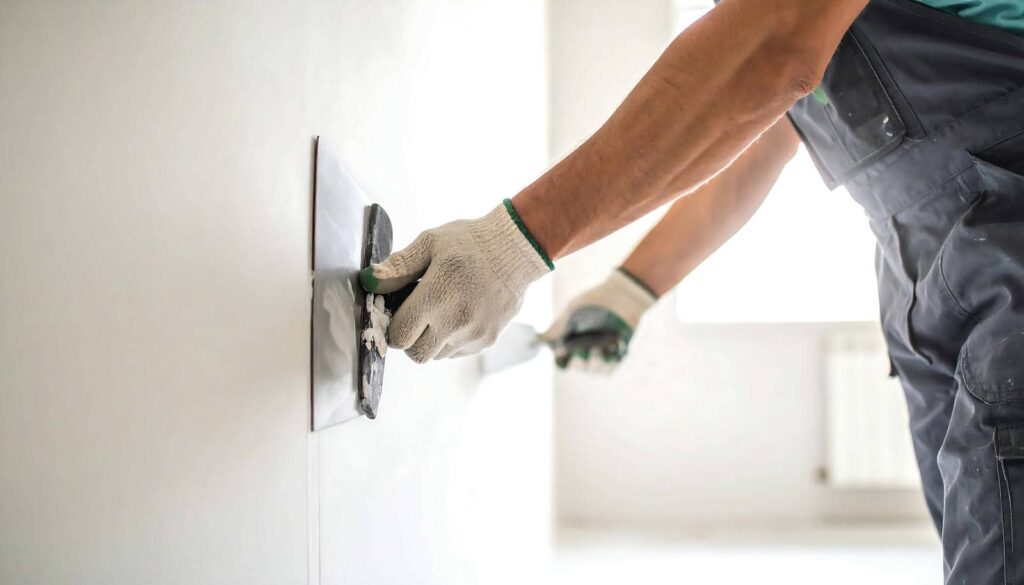
As soon as water damage is detected, initiating the drywall restoration process is essential to minimize further structural issues. First, assess the affected area and remove any damaged drywall. Next, employ effective drying methods, such as dehumidifiers and air movers, to eliminate moisture. Restoration techniques like sealing and applying mold-resistant materials will help ensure long-term protection.
Benefits of Professional Emergency Water Damage Services
While addressing water damage might seem manageable, enlisting professional emergency water damage services offers unparalleled advantages that ensure a complete and effective restoration.
These experts provide rapid response times and round-the-clock service availability, making sure your property receives immediate attention. Their specialized training allows for precise cost analysis, helping you understand the financial implications and potential savings on future repairs.
By utilizing advanced equipment and techniques, professionals make certain that all moisture is eliminated, preventing mold growth and additional damage. Furthermore, their extensive assessments give you peace of mind, knowing that every affected area is addressed.
Ultimately, engaging professional services fosters a sense of community and belonging, as you’re supported by skilled technicians dedicated to restoring your home.
Preventative Measures for Future Water Damage
To prevent future water damage, implementing a proactive strategy is essential for safeguarding your property.
Start by utilizing effective waterproofing techniques on your home’s exterior. This includes applying sealants and coatings that create a robust barrier against moisture intrusion.
Next, consider installing moisture barriers in vulnerable areas, such as basements and crawl spaces, to hinder water penetration and dampness.
Regularly inspect and maintain your plumbing systems, making sure there are no leaks or blockages that could lead to water buildup.
Additionally, ensure proper drainage around your property by keeping gutters clean and directing downspouts away from the foundation.
Frequently Asked Questions
How Quickly Should I Address Water Damage to Drywall?
You should address water damage to drywall within 24 to 48 hours. A swift response is essential for effective drywall restoration techniques, minimizing mold growth and ensuring an all-encompassing water damage timeline for ideal recovery.
Can I Repair Water-Damaged Drywall Myself?
If you see peeling paint and soft, sagging drywall, you might consider DIY repairs. For effective drywall restoration, assess the damage, gather materials, and follow the steps to ensure a lasting fix that keeps your home thriving.
What Types of Insurance Cover Water Damage Repairs?
When evaluating insurance for water damage repairs, homeowners’ insurance typically covers repair costs. However, policy coverage varies, so you should review your specific terms to ensure you’re adequately protected against unexpected water damage expenses.
How Can I Prevent Mold After Water Damage?
To prevent mold after water damage, ensure prompt water extraction, and maintain low humidity levels. Use dehumidifiers, ensure proper ventilation, and treat affected areas with antimicrobial solutions to inhibit mold growth effectively.
Are There Any Long-Term Effects of Water Damage on Drywall?
Water damage can lead to significant long-term consequences, like compromised structural integrity. While it may seem minor initially, untreated drywall issues can escalate, affecting both your home’s safety and your peace of mind in the long run.
Recap
Swift and skilled emergency water damage drywall services are essential for safeguarding your space. By promptly addressing problems, you prevent perilous mold growth and structural stress. With professional intervention, you restore your home’s integrity while ensuring a safer, healthier environment. Don’t delay; diligence in dealing with water damage can deliver dividends in durability and design. Trust the experts to transform trauma into tranquility and keep your living space safe and sound.
Recent Posts
Why Hire Pipe Damage Cleanup Experts?
You need fast cleanup, careful cleanup, and expert cleanup when pipe damage hits your home.
What Pipe Cleanup Experts Do Nearby
When a sewer line backs up in your basement after a heavy rain, nearby pipe
5 Best Water Damage Repair Services
When you face water damage, you need a repair service that responds fast, uses the