
Contents
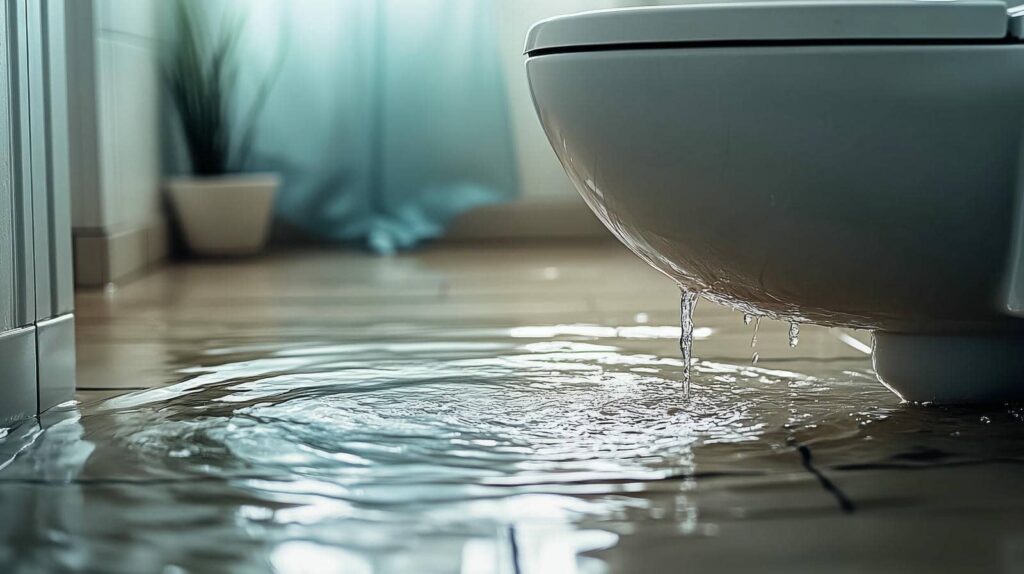
Picture your home flooded with murky water, a sewer cleanup nightmare scenario that demands immediate attention. Fortunately, there are several options to tackle sewer cleanup without breaking the bank. From DIY techniques to professional assistance, understanding your choices can greatly impact your wallet. But how do you know which route to take? Let’s explore the various avenues available to ensure you handle the situation effectively and affordably.
Key Takeaways
- Compare quotes from multiple contractors to find the best price for sewer cleanup services.
- Utilize DIY techniques, such as using a wet/dry vacuum and sanitizing surfaces, to reduce labor costs.
- Check your homeowner’s insurance policy for coverage on sewer backup to potentially offset costs.
- Consider government assistance programs or grants that may help with cleanup expenses.
- Invest in regular maintenance and preventive measures to avoid costly sewer issues in the future.
Understanding Sewer Cleanup Costs
When you face a sewer backup, understanding the associated costs can help you make informed decisions. The first step is a sewer assessment, which typically ranges from $100 to $400. This evaluation identifies the severity of the backup and any underlying issues.
Once you know the problem, you can plan for cleanup costs. Cleanup materials, including chemicals, protective gear, and disposal supplies, can add up quickly. Depending on the extent of the damage, you might spend anywhere from $300 to $1,500 for necessary materials.
If you hire professionals, expect labor costs to range from $50 to $150 per hour, depending on your location.
DIY Sewer Cleanup Techniques
After evaluating the sewer backup and understanding the costs involved, you might consider tackling the cleanup yourself to save money.
Before you start, gather essential cleanup supplies like gloves, masks, and heavy-duty trash bags. Always prioritize safety; sewer backups can contain biological hazards that pose health risks.
Begin by isolating the affected area to prevent further contamination. Use a wet/dry vacuum to remove standing water and debris. After that, sanitize the surfaces with a mixture of bleach and water, making sure you follow the manufacturer’s instructions for proper dilution.
Dispose of all contaminated materials safely, sealing them in bags to minimize exposure. Finally, ensure proper ventilation in the area while you work.
When to Call a Professional
When you notice signs of severe damage, like persistent leaks or structural issues, it’s time to call a professional.
Ignoring these problems can lead to significant health and safety risks, including exposure to harmful pathogens.
Don’t wait until the situation worsens; seeking expert help can save you time and money in the long run.
Signs of Severe Damage
Recognizing the signs of severe sewer damage is crucial, as ignoring them can lead to costly repairs and health hazards.
Watch for sewage indicators like persistent foul odors, slow drains, or discoloration in your yard. These symptoms often suggest a blockage or leak that requires immediate attention.
During a damage assessment, check for cracked or sagging pipes, water pooling in unusual areas, and increased pest activity—these can all worsen over time.
If you spot any of these warning signs, don’t hesitate to call a professional. They can diagnose the problem accurately and recommend affordable solutions, ensuring your home stays safe and functional.
Early intervention protects your property and fosters a sense of community responsibility among neighbors.
Health and Safety Risks
If you notice signs like persistent sewage odors or unusual pooling water, it’s essential to understand the health and safety risks associated with sewer issues.
Sewage contamination can lead to serious public health threats, including exposure to harmful bacteria and viruses. These pathogens can cause gastrointestinal illnesses, skin infections, and respiratory problems.
If you’re experiencing these issues, don’t hesitate to call a professional. They’ve the expertise and equipment to safely handle sewage cleanup and mitigate health risks.
Additionally, professionals can identify the source of contamination, preventing future incidents.
Insurance Coverage for Sewer Cleanup
Understanding your insurance coverage for sewer cleanup is essential, as it can greatly impact your financial responsibility in the event of a sewer backup.
When reviewing your insurance policy options, it’s vital to determine whether your homeowner’s insurance includes sewer backup coverage. Many standard policies don’t cover this type of damage, so you might need to purchase additional endorsements.
Be sure to check the coverage limits, as they can notably affect how much you’ll receive for cleanup costs. Some policies may only cover a fraction of your expenses or impose high deductibles.
If you live in an area prone to sewage issues, consider investing in a policy that offers extensive protection.
Government Assistance Programs
When faced with the financial burden of sewer cleanup, you might find relief through various government assistance programs.
These programs often provide federal grants aimed at helping homeowners like you who are struggling with cleanup costs. Start by checking with your local resources, such as the city or county health department, which may offer information on available grants or low-interest loans for sewer repairs.
Additionally, the Federal Emergency Management Agency (FEMA) sometimes funds disaster relief programs that include sewer cleanup assistance, especially after major weather events.
It’s essential to act quickly; many of these programs have deadlines for applications.
Comparing Local Service Providers
How can you ensure you choose the best local service provider for sewer cleanup? Start by conducting thorough service provider comparisons. Look for companies that specialize in sewer issues, checking their certifications and customer reviews. You want a provider with a solid reputation and proven experience in handling similar situations.
Next, perform a local pricing analysis. Gather quotes from multiple providers to understand the market rates for sewer cleanup in your area. Don’t just settle for the cheapest option; consider the balance between cost and quality of service. Ask about warranties and follow-up services, as these can indicate a company’s commitment to its work.
Additionally, reach out to neighbors or community groups for recommendations. This can give you insight into reliable service providers who’ve successfully managed sewer cleanup in your area.
Preventative Measures for Future Issues
To prevent future sewer issues, it’s crucial to implement regular maintenance and smart practices. Start by scheduling routine sewer inspections to catch problems before they escalate. Trained professionals can identify potential blockages and structural issues, allowing for timely repairs.
Additionally, make it a habit to avoid flushing non-biodegradable items down the toilet and refrain from pouring grease down the sink. These simple actions greatly reduce the risk of clogs.
Regularly clean your gutters and downspouts to verify that rainwater flows away from your foundation, minimizing water infiltration into the sewer system. Consider installing a backwater valve to protect against sewage backup during heavy rains.
Engaging with your neighbors can also foster a community approach to sewer maintenance. By sharing resources and knowledge, you’ll create a more resilient environment.
Prioritizing these preventative measures will help you maintain a healthy sewer system for years to come.
Health Risks of Sewage Exposure
When you’re exposed to sewage, you’re at risk of encountering harmful pathogens that can lead to serious infections.
These microorganisms can cause immediate illness and, in some cases, result in long-term health effects.
Understanding these risks is essential for your safety and well-being during cleanup efforts.
Pathogens in Sewage
Although many people may underestimate the dangers lurking in sewage, exposure to pathogens found in wastewater poses significant health risks. Sewage pathogens, including bacteria, viruses, and parasites, can lead to serious infections and illnesses.
When you come into contact with contaminated water, you increase your contamination risks. Symptoms from exposure may range from gastrointestinal issues to severe respiratory problems, depending on the pathogens involved.
It’s vital to recognize that even short-term exposure can have immediate health consequences. Protecting yourself involves using proper personal protective equipment during cleanup and ensuring that any sewage spills are addressed quickly and effectively.
Understanding these risks helps you make informed decisions about cleanup and safeguards your health and the well-being of your community.
Long-term Health Effects
Short-term exposure to sewage can lead to immediate health issues, but the long-term effects can be even more concerning.
Prolonged contact with contaminated water may result in chronic illnesses, such as respiratory problems, gastrointestinal diseases, and even neurological disorders. You mightn’t notice the effects right away, but consistent exposure increases your risk of serious health complications over time.
Pathogens in sewage can linger in the environment, leading to ongoing health risks. Protecting yourself by addressing sewage issues promptly is essential for your long-term well-being.
If you suspect exposure, seek medical advice to monitor any developing symptoms and take preventive measures to reduce your risk of chronic illnesses.
Tips for Reducing Cleanup Expenses
To minimize sewer cleanup expenses, you should first assess the extent of the damage and gather necessary information before contacting professionals. This initial evaluation helps you communicate effectively with cleanup services, enabling them to provide accurate estimates.
Next, consider implementing budget-friendly solutions, such as tackling minor issues yourself if it’s safe to do so. For example, you might be able to remove debris or dry out affected areas, which can greatly reduce labor costs.
Additionally, seek out cost-saving tips by comparing quotes from multiple contractors. Look for reviews and ask about special offers or financing options.
Finally, consider investing in preventative measures to avoid future incidents, which can save you money in the long run. By being proactive and informed, you can navigate the cleanup process more effectively and keep your expenses manageable.
Frequently Asked Questions
What Items Should I Throw Away After a Sewer Backup?
After a sewer backup, you should throw away flooded belongings like carpets, mattresses, and upholstered furniture. Follow local disposal guidelines for hazardous materials and make certain you’re safely discarding contaminated items to avoid health risks.
How Long Does Sewer Cleanup Usually Take?
Sewer cleanup usually takes several hours to a few days, depending on the extent of the damage and the restoration process. You’ll want to make sure all affected areas are thoroughly dried and sanitized for safety.
Can I Use Bleach for Sewage Cleanup?
You shouldn’t use bleach for sewage cleanup. While it’s effective against some pathogens, it doesn’t address all sewage safety concerns. Instead, opt for specialized cleaners to ensure thorough decontamination and safety for you and your environment.
What Should I Do if I Smell Sewage?
If you smell sewage, identify the source immediately. Check for leaks or blockages, and ventilate the area. If the odor persists, contact a professional to address the cause of the sewage odor and ensure your safety.
Are There Any Health Symptoms From Sewage Exposure?
Sewage exposure can lead to serious health risks, like nausea, headaches, or respiratory issues. If you notice these symptoms, it’s essential to act quickly, as they can signal underlying contamination affecting your well-being.
Recap
Managing sewer cleanup doesn’t have to break the bank. By evaluating damage upfront, utilizing DIY methods, and comparing quotes, you can greatly lower costs. However, don’t underestimate the health risks of sewage exposure; sometimes, investing in professional help is worth it. Remember, proactive measures can prevent future issues, saving you money in the long run. Ultimately, your health and safety should guide your cleanup decisions, ensuring a cleaner, safer environment for you and your family.
Recent Posts
Sewage Water Removal and Prevention Strategies
Sewage water contamination often goes unnoticed until it becomes a significant health risk. Understanding the
Sewage Water Removal and Prevention Guide
Sewage water contamination poses significant health risks and can damage your property if not addressed
Key Steps for Checking a Flooded Basement
Flooded basements cause significant property damage and pose health risks. To effectively address this issue,