
Contents
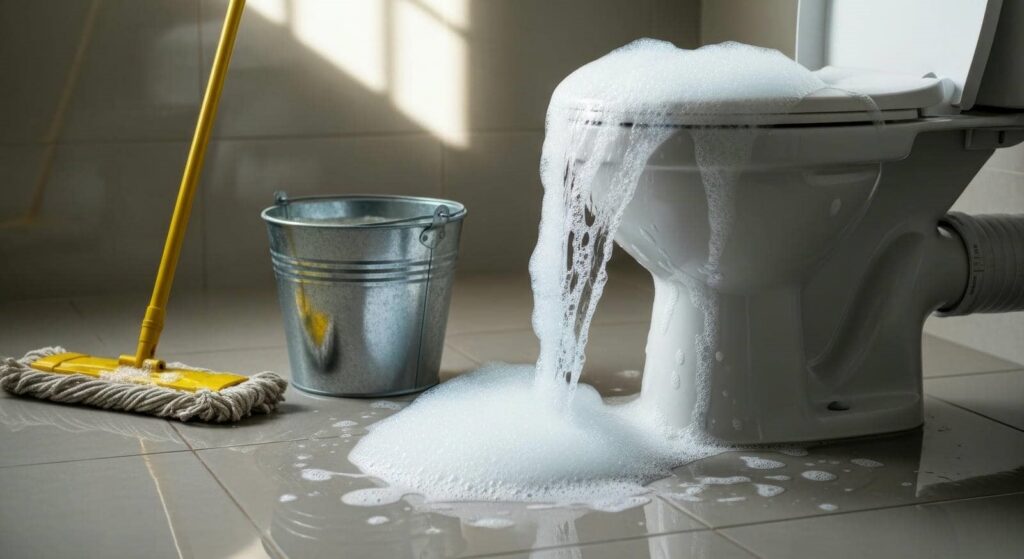
When sewage backs up, you’re facing more than a mess; you’re confronting a biohazard that can spread fast. Sewage cleanup experts isolate the area, assess contamination, extract wastewater, and disinfect surfaces with EPA-approved agents. They also control moisture, remove affected materials, and track odor sources to prevent hidden damage. But the real question is how they decide what stays, what goes, and what must happen next.
Key Takeaways
- Sewage cleanup experts isolate contaminated areas and protect people, pets, and property from exposure.
- They inspect the damage, identify contamination sources, and assess affected materials and hazards.
- They remove sewage, standing wastewater, and unsalvageable debris using specialized equipment.
- They clean, disinfect, and deodorize affected surfaces with approved antimicrobial agents and odor-control methods.
- They dry hidden moisture, monitor conditions, and verify the area is safe for re-entry and restoration.
What to Do After Sewage Backup
After a sewage backup, you should act quickly to limit contamination and protect your health.
Keep everyone, including pets, out of the affected area and isolate the space if you can. Wear waterproof gloves, boots, and a mask before entering, and avoid contact with standing water or porous materials.
Shut off electricity to wet zones if it’s safe, and ventilate the area by opening windows. Document damage for your records, then contact a licensed sewage cleanup expert.
Follow local health guidelines and use preventive measures to reduce exposure until professionals arrive. Wash hands thoroughly after any contact, and discard food, cosmetics, or medicines exposed to wastewater.
Your prompt response helps protect your household and supports a safer, faster recovery for your property and community.
How Sewage Cleanup Works, Step by Step
Once a sewage cleanup team arrives, they’ll begin by inspecting the affected area, identifying the contamination source, and classifying the loss to determine the required safety measures.
You’ll then see a contamination assessment, where technicians map impacted materials, measure moisture, and document affected zones for sewage restoration planning.
Next, they’ll remove standing wastewater and any unsalvageable debris, then clean and disinfect all reachable surfaces with approved agents.
They’ll extract hidden moisture from structural cavities, floors, and porous materials, because residual contamination can keep spreading.
After drying, they’ll verify conditions with testing and confirm that your space meets sanitation targets.
Throughout the process, you’re kept informed, so you know what’s happening, why each step matters, and how the work supports a safe, organized return for your household.
How Cleanup Teams Protect Your Home
Cleanup teams protect your home by containing contamination before it can spread to clean areas, personal belongings, or hidden structural materials.
You’ll see them isolate affected rooms, restrict traffic, and establish barriers that support preventive measures and preserve home safety. They remove saturated materials, clean hard surfaces, and disinfect touchpoints to reduce microbial load.
You’ll also get careful monitoring of moisture, because lingering dampness can allow secondary damage and odor issues. Teams document each zone, so you know what’s been addressed and what still needs attention.
They also coordinate disposal and final checks to confirm your home is stable, sanitary, and ready for reentry. This method helps you feel protected, informed, and confident while your living space returns to normal.
Why Sewage Cleanup Needs the Right Equipment
You need proper protective gear, including gloves, respirators, and waterproof suits, to reduce exposure to bacteria, viruses, and hazardous waste.
You also need specialized cleaning tools that can remove contaminated material, extract moisture, and sanitize affected surfaces more effectively than standard equipment.
Without the right gear and tools, you can’t achieve a safe or thorough sewage cleanup.
Protective Gear Essentials
When sewage contamination is present, proper protective gear isn’t optional—it’s the first line of defense against pathogens, toxic gases, and hazardous debris.
You’ll need sealed gloves, impermeable coveralls, eye protection, and respirators selected for the exposure level. Each layer helps you stay within established safety protocols while limiting contact with contaminated surfaces and airborne particles.
Steel-toe boots with slip-resistant soles protect your footing in wet, unstable areas, and taped seams reduce infiltration at entry points. You’re part of a trained response team when you suit up correctly, and that discipline matters.
Proper decontamination after exit is just as important, because contaminated gear can spread risk if handled carelessly.
With the right protective gear, you work safer, cleaner, and with greater confidence.
Specialized Cleaning Tools
Specialized tools turn a hazardous sewage job into a controlled, methodical process. You rely on specialized vacuums to remove contaminated water, sludge, and debris without spreading pathogens into clean areas.
HEPA-filtered extraction units capture fine particles, while antimicrobial sprayers help you treat surfaces after removal. Industrial dehumidifiers then pull moisture from walls, subfloors, and framing, which slows mold growth and supports full structural drying.
You also use moisture meters and air movers to verify progress and target hidden pockets of dampness. This equipment isn’t optional; it lets you work efficiently, protect your team, and restore safe conditions with confidence.
When you use the right tools, you’re part of a cleanup process built on precision, accountability, and shared safety.
How Professionals Remove Odors and Contamination
Professionals remove sewage odors and contamination by first isolating the affected area, then extracting all standing wastewater and heavily damaged materials to stop further spread.
You’ll see them map contamination zones with contamination assessment methods, then clean surfaces with controlled detergents and antimicrobial agents. They target hidden residues in seams, subfloors, and porous materials, because odor and pathogen loads often linger there.
Next, they apply odor neutralization techniques such as thermal fogging, hydroxyl treatment, or specialized deodorizers to break down volatile compounds rather than just mask them.
You can expect verified drying, airflow control, and repeated inspections to confirm the space meets sanitary standards.
This process helps restore a safe environment where you and your household can feel confident, informed, and included in every step.
When to Call a Sewage Cleanup Expert
You should call a sewage cleanup expert as soon as health risks escalate, especially if wastewater has contacted living areas, HVAC systems, or porous materials.
If you notice persistent contamination, strong odors, or signs of exposure such as skin irritation or respiratory symptoms, you need professional mitigation immediately.
Major backup events, including widespread toilet overflow or sewer line failure, require rapid assessment to limit structural damage and biohazard spread.
Health Risks Escalate
When sewage has backed up into living spaces, the health risks escalate quickly because contaminated water can carry bacteria, viruses, parasites, and hazardous gases. You face immediate pathogen exposure, and even brief contact can trigger gastrointestinal illness, skin irritation, or eye inflammation.
Airborne moisture and fumes can worsen respiratory issues, especially in enclosed rooms with poor ventilation. Water contamination can also spread through porous materials, making cleaning less reliable without professional controls.
If you share the space with children, older adults, or anyone with a weakened immune system, the risk climbs further. The situation can also strain mental health, since uncertainty and odor create persistent stress.
When these signs appear, you need a trusted team that can assess conditions safely and restore a healthy environment fast.
Major Backup Events
Major backup events demand immediate expert response because sewage can spread far beyond the original overflow point, saturating floors, walls, insulation, and HVAC components.
You should call a sewage cleanup expert when backup causes include mainline blockages, pump failure, tree root intrusion, or municipal sewer surcharge. These events create hidden contamination and structural moisture that you can’t safely manage alone.
A trained team will inspect affected zones, contain the spread, extract waste, disinfect surfaces, and verify drying conditions. Their emergency response protects your property and helps you rejoin a safe, healthy environment quickly.
When the volume is large, the odor is strong, or wastewater reaches multiple rooms, don’t delay. You’re part of a community that deserves fast, professional remediation.
Frequently Asked Questions
How Long Does Sewage Cleanup Usually Take?
You’ll usually see sewage cleanup duration range from hours to several days, depending on factors affecting time like contamination severity, affected materials, drying needs, and repairs. You’ll get faster recovery when you act promptly and follow professional guidance.
Is Sewage Cleanup Covered by Homeowners Insurance?
Usually, you’re covered if your insurance policies include sewer backup endorsement, but standard homeowners plans often exclude it. Check coverage limits, deductibles, and exclusions carefully, so you’ll know whether your claim gets approved.
Can I Stay in My Home During Sewage Cleanup?
Maybe not—you shouldn’t stay unless experts confirm it’s safe. You’ll need safety precautions during the cleanup process, including isolation, ventilation, and disinfection. Follow their guidance so you can protect your home and feel reassured.
What Health Risks Come From Sewage Exposure?
You’re at risk for gastrointestinal illness, skin infections, respiratory irritation, and eye damage from pathogen exposure in sewage. You should use sanitary precautions, because contaminants can enter cuts, mucous membranes, and your lungs.
How Much Does Professional Sewage Cleanup Cost?
Professional sewage cleanup usually costs $500-$3,000; think of it as paying for safety, not just repair. Your sewage cleanup pricing depends on damage, contamination, and required professional services, but you’re protecting everyone’s home.
Review
When sewage backs up, you face a fast-moving health hazard, not just a mess. You need to act quickly, but you also need trained specialists to isolate the area, remove contaminated water, disinfect surfaces, and control moisture before damage spreads. While DIY cleanup can seem immediate, professional response is safer, more thorough, and more effective. If you notice sewage intrusion, call a sewage cleanup expert right away to protect your home and health.
Recent Posts
7 Tips for Home Water Damage Assessment
Could a quick visual check reveal water damage before it spreads? Water damage assessment starts
7 Home Water Damage Assessment Tips
Could a quick visual check reveal water damage before it spreads? Water damage assessment starts
10 Best Home Water Damage Assessment Tips
If you suspect water damage, you need to move quickly and assess it methodically. Home