
Contents
It’s interesting how quickly water can invade spaces after flooding, often leading to hidden mold issues before you even notice. To effectively tackle potential mold growth, you must first assess the extent of the water damage. This involves checking for moisture in affected areas and ensuring your safety while inspecting. Knowing the right steps to take can greatly impact the outcome. What should your next move be to ensure a thorough inspection?
Key Takeaways
- Assess affected areas for visible water damage and use moisture meters to identify hidden dampness.
- Ensure safety by wearing protective gear and checking for structural integrity before entering flooded spaces.
- Promptly remove standing water with pumps and vacuums, and dry areas using fans and dehumidifiers.
- Ventilate the space by opening windows and using fans to prevent mold growth after water removal.
- Seek professional help for a thorough mold inspection and document all damage for insurance claims.
Assess the Extent of Water Damage
As you begin to assess the extent of water damage, it’s vital to systematically examine each affected area of your property. Start by identifying visible signs of water intrusion, such as discoloration or warping in walls and floors.
Next, conduct a thorough water damage assessment using moisture measurement tools like a moisture meter or infrared camera to determine hidden dampness. Focus on areas prone to water accumulation, such as basements, crawl spaces, and around plumbing fixtures.
Document the findings meticulously, noting the severity and location of moisture levels. This will help you prioritize remediation efforts and communicate effectively with restoration professionals.
Don’t underestimate the importance of a detailed assessment; it’s critical for preventing mold growth and ensuring your property’s long-term integrity. By taking these steps, you’ll foster a sense of belonging in a safe, healthy environment for yourself and your loved ones.
Ensure Safety Before Entering
Before entering a flood-damaged area, assess the structural integrity of the building to ensure it’s safe.
Wear appropriate protective gear, such as gloves and masks, to shield yourself from potential contaminants.
Additionally, check for any electrical hazards, as water can compromise wiring and pose serious risks.
Assess Structural Integrity First
When entering a property after flooding, evaluating structural integrity is essential for your safety.
Start with a thorough structural assessment, checking for visible damage such as cracks in walls, sagging ceilings, or unstable floors. Inspect doors and windows for proper alignment, as misalignment could indicate foundational issues.
Pay close attention to any signs of water intrusion, which can compromise building safety. If you notice significant damage, it’s vital to consult a professional engineer or inspector who can provide a detailed evaluation.
Wear Protective Gear
Wearing protective gear is essential for your safety before entering a flood-affected property. Floodwaters can contain hazardous materials, so you must equip yourself with appropriate protective clothing and safety equipment.
Start with waterproof boots to shield your feet from contaminants and ensure they have a non-slip sole for stability. Wear gloves to protect your hands from sharp objects and mold exposure. A mask, preferably an N95 respirator, helps filter out harmful particulates and reduces inhalation risks.
Additionally, consider goggles to safeguard your eyes from debris and irritants. By prioritizing your safety with the right gear, you create a secure environment for thorough mold inspection, minimizing health risks while fostering a sense of belonging and responsibility in your community.
Check Electrical Hazards
After donning protective gear, it’s vital to assess potential electrical hazards in the flood-affected area.
Begin by surveying the environment for downed power lines or exposed wiring that might pose a risk. Turn off the main power supply to eliminate any immediate dangers before entering.
Conduct a thorough hazard assessment, checking for water damage in electrical panels, outlets, and appliances. Remember, standing water can conduct electricity, so tread carefully.
It’s imperative to prioritize electrical safety, ensuring that no equipment is operational until inspected by a qualified electrician. Document any concerns for further analysis.
Remove Standing Water Promptly
Promptly removing standing water is essential in mitigating mold growth after flooding. Left unchecked, standing water creates numerous hazards, including structural damage and health risks.
To effectively address this issue, consider these water removal techniques:
Use a Submersible Pump: Ideal for large volumes of water, these pumps can quickly evacuate standing water.
Employ Wet/Dry Vacuums: Perfect for smaller areas, these vacuums can efficiently remove residual water and debris.
Utilize Squeegees and Mops: For minor pooling, these tools allow for targeted removal and help in reaching corners.
Ensure Proper Drainage: Check your property’s drainage system to prevent future standing water accumulation and related hazards.
Dry Affected Areas Thoroughly
After removing standing water, your next step is to dry affected areas thoroughly.
Use fans and dehumidifiers to expedite the drying process, and promptly remove any wet materials that could promote mold growth.
Regularly monitor humidity levels to ensure they remain conducive to a safe environment.
Use Fans and Dehumidifiers
Once flooding has receded, it’s crucial to act quickly by using fans and dehumidifiers to dry affected areas thoroughly.
Proper fan placement and dehumidifier settings can greatly reduce moisture levels, preventing mold growth.
Follow these steps to improve your drying process:
- Position fans to create cross-ventilation; place them facing open windows or doors.
- Set dehumidifiers to a low setting, ideally between 30-60% humidity, for best moisture extraction.
- Run fans continuously for 24-48 hours to enhance air circulation.
- Monitor moisture levels with a hygrometer to verify effectiveness.
Remove Wet Materials Promptly
Following the drying process with fans and dehumidifiers, addressing wet materials is vital for preventing mold growth.
Start by implementing effective removal techniques for any saturated items, such as carpets, drywall, or insulation. If materials show signs of extensive damage or mold, proper material disposal becomes imperative.
You’ll want to seal contaminated items in plastic bags to prevent spores from spreading during removal. Dispose of these materials according to local regulations to ensure safety and compliance.
This proactive approach minimizes health risks while fostering a sense of community responsibility. By taking these steps, you’re not just protecting your home; you’re also contributing to a healthier environment for everyone around you.
Monitor Humidity Levels Regularly
To effectively manage the risk of mold growth, you must monitor humidity levels regularly in the affected areas.
Humidity control is essential, as mold thrives in damp environments. Use appropriate monitoring equipment to ensure optimal drying conditions.
Follow these steps:
- Use a hygrometer: Measure the humidity levels accurately.
- Set a humidity threshold: Aim for 30-60% relative humidity to minimize mold growth.
- Check regularly: Monitor humidity daily during the drying process to track progress.
- Adjust airflow: Use fans or dehumidifiers to maintain the desired humidity levels.
Ventilate the Space Properly
While it’s vital to address water damage promptly, properly ventilating the space afterward is equally important to prevent mold growth.
Effective air circulation is essential for moisture control; without it, dampness can linger, fostering an environment conducive to mold. Open windows and doors to facilitate cross-ventilation, allowing fresh air to replace humid air trapped indoors.
If outdoor conditions permit, use fans to enhance airflow, directing the moisture-laden air outside.
Consider employing dehumidifiers to further reduce humidity levels, especially in enclosed spaces where air circulation is limited.
Monitor the area regularly to confirm that the ventilation efforts are effective, adjusting your strategy as needed.
Identify Potential Mold Growth Areas
After floodwaters recede, it’s vital to identify potential mold growth areas to mitigate health risks and property damage.
Mold thrives in damp conditions, so effective moisture control is fundamental in preventing its development. Here are four key areas to inspect:
Basements and Crawlspaces: These areas often retain moisture and are prime candidates for mold growth.
Walls and Ceilings: Look for discolored patches, especially near windows and doors where water may have seeped in.
Flooring Materials: Check carpets, rugs, and underlayments, as they can absorb water and promote mold if not dried promptly.
Plumbing and Fixtures: Inspect under sinks and around toilets, as leaks can create ideal conditions for mold.
Inspect for Visible Mold Signs
Start by checking surfaces thoroughly for any visible mold signs, focusing on areas that are prone to moisture.
Look for discoloration, which can indicate mold growth, and pay attention to different textures that may signal a problem.
Additionally, inspect hidden areas such as behind walls and under carpets, where mold often thrives undetected.
Check Surfaces Thoroughly
To effectively identify potential mold growth, you must check surfaces thoroughly throughout your property.
Mold can thrive on various surface materials, and recognizing its presence early is essential.
Follow these steps to inspect effectively:
Examine Walls: Look for mold on painted surfaces, drywall, and wallpaper.
Inspect Floors: Check carpets, tiles, and wooden surfaces for any signs of mold types like black mold or mildew.
Assess Ceilings: Don’t forget to examine ceiling tiles or beams, as moisture can accumulate there.
Evaluate Hidden Areas: Look behind appliances and furniture where mold may lurk out of sight.
Look for Discoloration
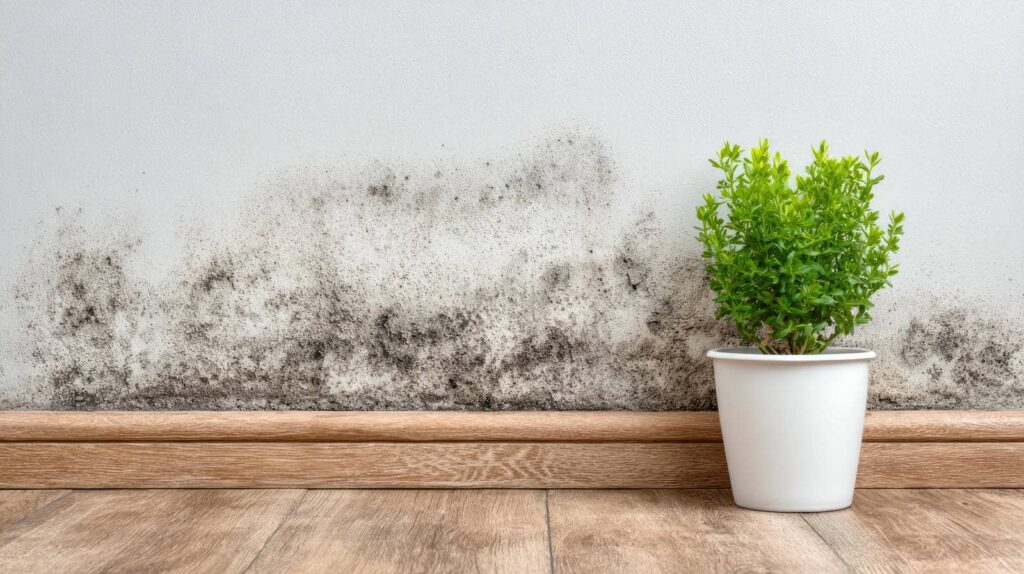
Discoloration on surfaces often serves as a telltale sign of mold presence. You should carefully inspect areas affected by flooding for any unusual color changes, which can indicate various mold types.
Common discoloration causes include moisture accumulation, inadequate ventilation, and organic material decay. Look for patches that are green, black, or even orange, as these colors can signify active mold growth.
Identifying these signs early is vital in preventing further contamination and health risks. If you spot any discoloration, it’s essential to document your findings and consider professional evaluation.
Addressing mold promptly can foster a healthier living environment, enhancing your sense of safety and belonging in your home.
Inspect Hidden Areas
While you may have checked visible surfaces for mold, hidden areas often conceal significant growth that can go unnoticed.
To thoroughly inspect these hidden spaces, follow these steps:
Look behind appliances: Fridges and washers can trap moisture, creating mold hotspots.
Check under sinks: Plumbing leaks can lead to dampness, making these areas prime for mold growth.
Examine the attic and basement: Poor ventilation can foster mold in these often-overlooked areas.
Inspect wall cavities: Moisture can seep through walls, allowing mold to flourish within the structure.
Utilize Professional Mold Inspection Services
After experiencing flooding, it is vital to seek professional mold inspection services to ensure a detailed assessment of your property.
These experts employ advanced mold inspection techniques that go beyond a simple visual check. They utilize specialized equipment, such as moisture meters and thermal imaging cameras, to detect hidden mold and moisture levels that you might miss.
Professional services identify mold growth and assess the extent of water damage, ensuring a thorough evaluation. This level of detail is essential, as mold can develop in concealed areas, posing health risks and structural issues.
By relying on trained professionals, you’re not just addressing immediate concerns; you’re also safeguarding your home and loved ones from potential long-term effects.
Ultimately, engaging professional mold inspection services provides peace of mind, fostering a sense of community with those who prioritize safety and health in their living environments.
Document Damage for Insurance Claims
Documenting damage after flooding is essential for successful insurance claims. Proper insurance documentation can greatly impact your claim submission process.
Follow these steps to make sure you capture everything needed:
Take Photographs: Capture clear, detailed images of all affected areas, including walls, floors, and personal belongings.
Make a List: List all damaged items, including their value and purchase date; this aids in establishing loss.
Obtain Repair Estimates: Get quotes from contractors for necessary repairs to substantiate your claim.
Document Communications: Keep records of all interactions with your insurance adjuster, including dates and details discussed.
Implement Mold Prevention Strategies
Once you’ve documented the damage for your insurance claim, it’s crucial to focus on implementing mold prevention strategies.
Start by using mold-resistant materials in your repair efforts. These materials, such as treated wood and moisture-resistant drywall, can greatly reduce the likelihood of mold growth.
Next, prioritize moisture control throughout your space. Ascertain that your home is well-ventilated, especially in areas prone to humidity, like basements and bathrooms.
Installing dehumidifiers can help maintain ideal humidity levels, further preventing mold development.
Regularly inspect your home for leaks in plumbing and roofing, as even minor water intrusion can foster mold proliferation.
Finally, consider applying antimicrobial coatings to surfaces that are frequently exposed to moisture.
Frequently Asked Questions
How Long Does It Take for Mold to Develop After Flooding?
Mold growth timeline after flood damage can start within 24 to 48 hours. If you don’t address moisture quickly, you increase the risk of extensive mold growth, impacting your health and property.
Can I Clean up Mold Myself, or Should I Hire Professionals?
Can you tackle mold yourself? Sure, with the right cleaning supplies and effective DIY methods, but remember, tackling extensive mold could mean risking your health. Sometimes, hiring professionals ensures the safety and thoroughness you might need.
What Are the Health Risks Associated With Mold Exposure?
Mold exposure can lead to various health risks, including mold symptoms like coughing, sneezing, and respiratory issues. If you’re sensitive or allergic, these effects might worsen, impacting your overall well-being and daily life.
Will My Insurance Cover Mold Damage From Flooding?
Your insurance might cover mold damage from flooding, but it depends on your policy’s mold coverage. Check your terms carefully, as some plans require specific insurance claims for mold-related issues. Stay informed and proactive.
How Can I Prevent Future Flooding and Mold Issues?
To prevent future flooding and mold issues, implement effective drainage solutions and adopt waterproofing techniques. Regularly inspect and maintain your property to ensure these systems operate properly and safeguard your space against moisture-related problems.
Wrap-Up
In the end, you might find yourself wishing for a little water damage, just to spice up the monotony of life! But in all seriousness, taking swift action post-flood can save you headaches down the road. By evaluating damage, ensuring safety, and considering professional help, you’re not just fighting mold; you’re safeguarding your home. So, embrace the irony—turn that flood into a lesson on prevention, and keep your space mold-free and thriving.
Recent Posts
7 Tips for Home Water Damage Assessment
Could a quick visual check reveal water damage before it spreads? Water damage assessment starts
7 Home Water Damage Assessment Tips
Could a quick visual check reveal water damage before it spreads? Water damage assessment starts
10 Best Home Water Damage Assessment Tips
If you suspect water damage, you need to move quickly and assess it methodically. Home