
Contents
When a pipe breaks, you can’t treat it like a minor plumbing issue. Water moves fast, seeps into hidden cavities, and begins damaging structural materials almost immediately. If you wait, you risk mold growth, warped surfaces, higher utility costs, and more complex repairs. The key signs and response steps aren’t always obvious, but they determine whether you contain the damage early or face a much larger problem.
Key Takeaways
- Broken pipes can quickly cause major water damage to floors, walls, and structural materials.
- Even small leaks can spread fast and create hidden moisture problems inside walls and framing.
- Immediate repair helps prevent mold growth, rot, and costly long-term remediation.
- Prompt shutoff and repair reduce safety risks like slipping, electrical hazards, and contaminated water exposure.
- Quick professional service restores water pressure, limits damage, and protects the plumbing system.
Why Broken Pipes Need Immediate Repair
When a pipe breaks, you need to repair it immediately because even a small leak can quickly escalate into major water damage, structural deterioration, and unsafe conditions.
You protect your home’s systems by stopping pressure loss, limiting moisture intrusion, and preserving material integrity. Prompt action also supports pipe maintenance, since unchecked damage can compromise joints, fittings, and nearby components.
You can’t treat a broken pipe as routine; it demands a controlled response that reduces risk and restores service safely. Immediate repair helps maintain plumbing safety by preventing slip hazards, electrical exposure, and contamination concerns.
When you act fast, you protect everyone in your space and reinforce the sense of security that comes from responsible ownership and skilled upkeep.
Signs a Broken Pipe Is Causing Water Damage
If a broken pipe is causing water damage, you’ll usually see early warning signs before the problem becomes severe. You may notice stained drywall, warped flooring, or a persistent musty odor that signals hidden moisture.
During leak detection, you should inspect walls, ceilings, and baseboards for discoloration or bubbling paint. A moisture assessment can confirm elevated readings and help you locate the source with precision.
- Check for soft spots in drywall or trim.
- Watch for unexplained increases in water use.
- Listen for hissing, dripping, or trickling sounds.
When you act quickly, you protect your home and join other prepared homeowners who treat small changes as important data.
Clear observation and prompt documentation make repairs more efficient and reduce avoidable damage.
How Fast Water Spreads After a Pipe Break
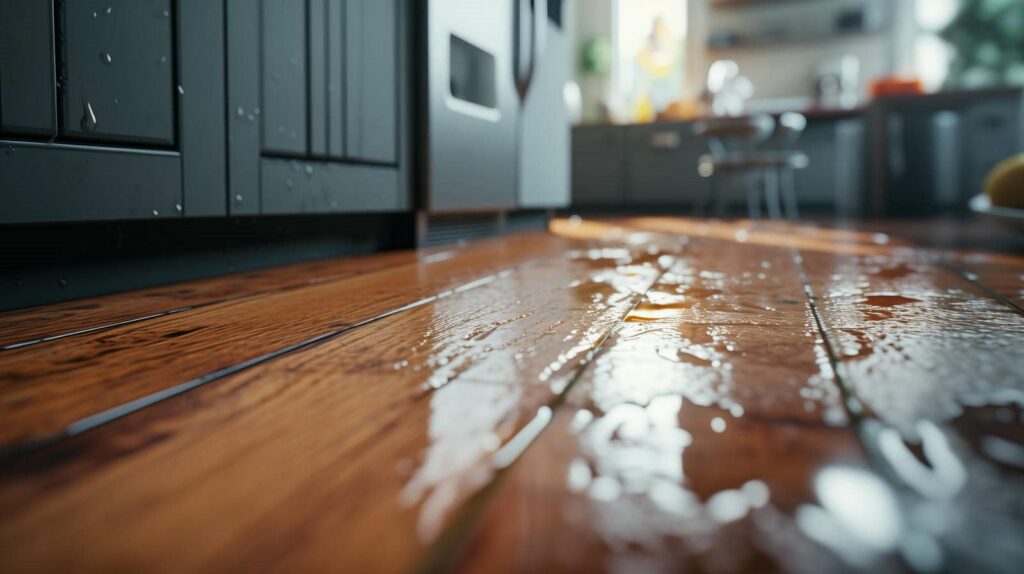
After a pipe breaks, water can spread across floors, into walls, and beneath finishes within minutes.
You may not see the full path immediately, because water often follows framing, seams, and utility penetrations into hidden spaces.
Even a small leak can cause measurable damage fast, so you need to act quickly.
Water Travels Quickly
Water can spread surprisingly fast once a pipe breaks, especially under normal household or commercial pressure.
You’ll see water movement accelerate as pipe pressure forces flow beyond the breach, and every second increases the affected area. In minutes, you may face soaked flooring, damaged walls, and rising repair costs.
You’re not overreacting when you act quickly; you’re protecting your space and the people who rely on it.
- Shut off the supply immediately to limit flow.
- Document visible damage for accurate repair planning.
- Contact a qualified technician before moisture escalates.
Fast response helps you stay in control, reduce losses, and restore safe conditions with less disruption.
Together, you and your repair team can stop a small break from becoming a larger loss.
Hidden Spread Paths
What looks like a small leak often travels far beyond the break point through concealed paths in framing, insulation, subflooring, and wall cavities.
You may see one wet spot, but hidden moisture can wick outward along wood grain, drywall paper, and fasteners, making the affected area larger than it first appears.
That’s why leak detection has to look past the visible surface. You need to inspect adjoining rooms, baseboards, ceilings below, and any penetrations where plumbing crosses structural members.
In a well-managed home, you stay ahead of spread by acting with your team quickly and methodically. The sooner you trace these pathways, the more accurately you can isolate the source, limit concealed saturation, and protect building materials that look dry but aren’t.
Damage In Minutes
Even a small pipe break can cause measurable damage within minutes, because pressurized water escapes quickly and begins saturating nearby materials almost immediately.
You’ll see water damage spread faster than you expect, especially through drywall, insulation, flooring, and framing. Within minutes, moisture can wick into seams, travel under baseboards, and reach hidden cavities, raising repair urgency before stains appear.
Your safest response is to act as a team with a licensed technician and isolate the source fast.
- Stop the flow to limit saturation.
- Document wet areas for accurate repair planning.
- Start drying right away to reduce structural loss.
When you move quickly, you protect your property, reduce secondary damage, and stay connected to a trusted restoration process that works.
What Emergency Broken Pipe Repair Includes
Emergency broken pipe repair typically includes immediate leak isolation, shutoff valve control, pipe access, damage assessment, temporary containment, and permanent section replacement or sealing.
You’ll get a focused pipe inspection to locate the failure point, verify surrounding conditions, and confirm whether corrosion, impact, or joint separation caused the break.
Technicians then apply repair techniques matched to your pipe material, such as clamp sealing, coupling replacement, epoxy restoration, or targeted soldering.
You’ll also see pressure testing after the fix to confirm integrity and restore service safely.
The process keeps your system stable while reducing disruption, so you can feel confident your home is back in capable hands.
Each step aims to protect connected fixtures, preserve system performance, and restore reliable water flow with minimal intrusion.
Why Delays Raise Repair Costs
Prompt response: When you delay broken pipe repairs, water keeps escaping and the damage compounds fast. You face higher cost implications because moisture spreads into walls, floors, and insulation, turning a contained issue into a larger service need.
The longer you wait, the more you’ll pay in cleanup, material replacement, and utility waste, which increases your financial burden.
Hidden saturation weakens structural materials.
Mold risk grows and drives remediation costs.
Water loss raises monthly bills and waste.
Acting quickly helps you protect your property and stay part of a well-prepared, cost-aware community. Early repair keeps the problem localized, limits secondary damage, and preserves your budget.
Delays rarely save money; they usually multiply the expense and stress you’ll carry later.
How Professionals Repair Broken Pipe Damage
Professionals repair broken pipe damage by first locating the leak, shutting off the affected water supply, and evaluating the extent of structural and material impact.
You’ll see them use targeted pipe inspection tools, such as cameras and moisture meters, to confirm the failure point and trace hidden damage.
Once they understand the system, they choose repair techniques based on pipe material, access, and pressure requirements. That may mean replacing a damaged section, sealing a joint, or fitting new couplings to restore continuity.
They also clean the work area, remove compromised components, and test the line for proper flow and watertight performance.
When you work with trained technicians, you get a repair process that’s methodical, efficient, and designed to protect your property and your peace of mind.
When to Call for Emergency Help
If you notice rapid water accumulation, wall saturation, dropping water pressure, or active spraying from a broken pipe, you’re dealing with a severe leak.
Shut off the main water valve immediately to limit structural damage and reduce the risk of electrical hazards.
Then call emergency plumbing help at once so they can isolate the failure and start repairs without delay.
Severe Leak Warning Signs
A severe pipe leak often announces itself through sudden drops in water pressure, uncontrolled pooling, water stains that spread quickly, or the sound of running water behind walls when no fixture is in use.
You should treat these signs as urgent. Effective leak detection helps you spot hidden damage before it becomes structural. A focused moisture assessment can reveal damp drywall, warped flooring, or persistent humidity near baseboards.
- Fast-growing stains suggest active water intrusion.
- Repeated pressure loss points to a compromised line.
- Musty odors and soft surfaces indicate concealed saturation.
When you notice these conditions, you’re not overreacting; you’re protecting your home and the people who rely on it.
Prompt attention keeps your repair path clear and your space safer.
Shutoff And Call Immediately
Shut off the main water supply at once and call for emergency plumbing help when a pipe is actively spraying, a slab leak is flooding flooring, water is reaching electrical components, or the system won’t stop draining after you close nearby fixtures.
You need to isolate the shutoff valve quickly to limit structural damage, mold growth, and pressure loss. If you smell burning, hear hissing in walls, or see fast pressure drops, treat the event as urgent.
Then contact emergency service so a licensed technician can locate the break, secure the line, and restore safe operation. You’re not overreacting; you’re protecting your home and everyone inside.
Stay clear of wet outlets and damaged ceilings until the system is inspected and stabilized.
Frequently Asked Questions
Can a Broken Pipe Affect My Home’s Air Quality?
Yes, a broken pipe can worsen your home’s air quality by elevating humidity levels, promoting mold growth, and spreading airborne contaminants. You’ll also face ventilation issues, which can make your indoor environment feel less healthy and less welcoming.
Will My Insurance Cover Emergency Pipe Repairs?
Maybe your insurance will surprise you, like a hero in a flood. You’ll need to check your insurance policies for emergency coverage, because policies vary, and you might owe deductibles, exclusions, or documentation.
How Can I Shut off the Water Supply Quickly?
Turn the main water shut off valve clockwise until it stops, then open a faucet to relieve pressure. If you can’t find it, take emergency measures and contact your utility or a licensed plumber.
Can Frozen Pipes Break Without Visible Leaking?
Yes—like a hidden crack in glass, you can have a frozen pipe break without visible leaking. You’ll still face pressure buildup. Check pipe insulation, perform winter maintenance, and inspect for damage before thawing.
Do Small Pipe Leaks Always Need Professional Repair?
No, you don’t always need professional repair for a small leak, but you should assess it quickly. You can try DIY fixes for minor issues; if it persists, worsens, or threatens structure, call a plumber.
Recap
You may see a small drip, but your pipe can be causing a large problem. While the leak looks minor, water spreads fast, weakening materials, feeding mold, and raising repair costs. If you act now, you protect your structure; if you wait, you invite damage, hazards, and expensive restoration. That’s why immediate water repair matters: it stops hidden deterioration, preserves safety, and keeps a simple pipe break from becoming a major failure.
Recent Posts
7 Tips for Pipe Damage Cleanup
Pipe damage can turn a small leak into a major cleanup fast. You need to
What to Do for Broken Pipe Damage
Broken pipe damage can turn your home into a fast-moving tide, and you need to
3 Broken Pipe Water Damage Repair Steps
When a pipe breaks, you need to act fast to limit water damage and avoid