
Contents
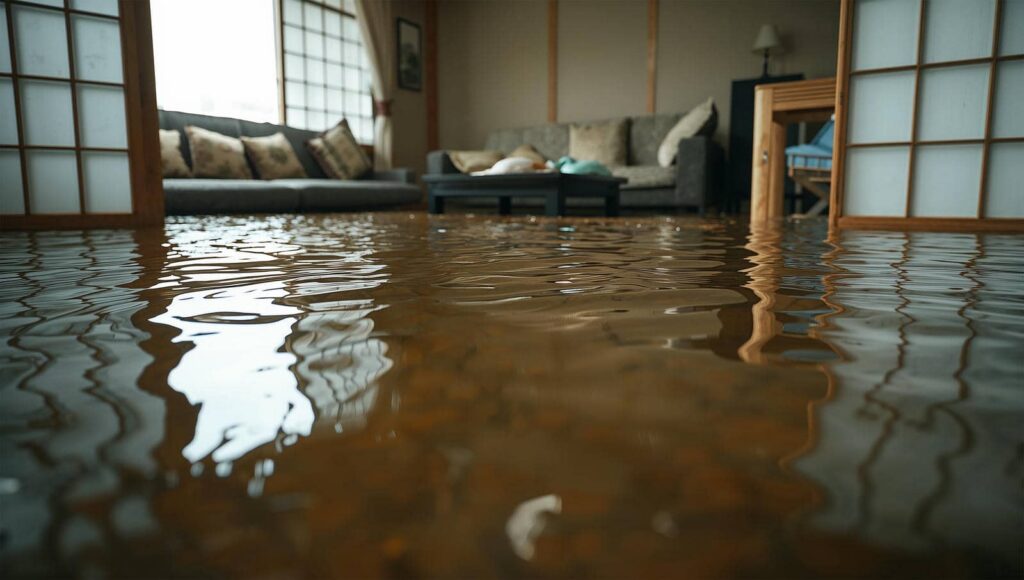
When storm damage hits, you need Round-the-Clock Storm Damage Repair that responds at any hour, not after the problem spreads. Emergency repair crews can secure your property, assess flooding, address roof leaks, and begin water removal before hidden damage grows. If sewage backs up, they can contain the hazard quickly and reduce the risk of further contamination. Local expertise also helps you navigate cleanup and insurance claims with less delay, but the real difference often shows up in the first few hours.
Key Takeaways
- 24/7 storm damage repair secures homes quickly with tarping, board-up, debris removal, and temporary drying.
- Fast response limits water, wind, and debris damage, protecting framing, insulation, and finishes from costly repairs.
- Emergency crews inspect structural damage, shut off exposed utilities, and identify hidden leaks before problems spread.
- Prompt water extraction and sanitation reduce mold, odors, and sewage contamination while protecting occupant health.
- Local round-the-clock teams improve recovery with regional expertise, faster service, and stronger insurance documentation.
What 24/7 Storm Damage Repair Covers
24/7 storm damage repair covers the emergency work needed to secure your property right after severe weather hits. You get tarping for roof breaches, board-up service for broken windows, debris removal, and temporary drying to limit interior loss.
Crews inspect visible structural damage, shut down exposed utilities when needed, and document conditions for insurance claims. This support fits your storm preparedness plan because it helps you protect access points, reduce further compromise, and keep your space usable for your household or team.
You also get clear communication on hazards, materials, and next steps, so you can act with confidence. The goal is to stabilize the site, preserve what’s salvageable, and set up the repair process without unnecessary delay or confusion.
Why Fast Response Matters After a Storm
When storm damage is addressed quickly, you limit how far water, wind, and debris can spread through the structure. You protect framing, insulation, and finishes before small issues become major repairs.
Fast action also helps you document conditions while damage is fresh, which supports cleaner insurance claims and faster scheduling. You show neighbors that storm preparedness isn’t just a plan on paper; it’s a response you can trust.
By moving early, you reduce exposure, stabilize the site, and keep your property safer for your family. That speed also strengthens community support, because each prompt repair helps the whole area recover with less strain.
When you act now, you stay ahead of avoidable losses and restore normal routines sooner.
Fast Help for Flooding and Roof Leaks
Flooding and roof leaks need immediate attention because water moves fast and can damage ceilings, insulation, drywall, flooring, and electrical systems in hours.
You need a crew that answers quickly, inspects the source, and stabilizes your home before conditions worsen.
With precise leak detection, technicians trace hidden roof openings, damaged flashing, and storm-driven seepage so you can act with confidence.
They also check weak points around vents, chimneys, and gutters to support flood prevention and reduce repeat problems.
When you’re dealing with storm damage, you deserve a team that works like neighbors who know what’s at stake.
Fast help keeps your property safer, limits disruption, and gives you a clear plan for the next repair step.
How Emergency Water Removal Prevents Further Damage
When you remove flood water fast, you cut the time moisture has to spread into floors, walls, and insulation.
You also lower the risk of mold growth by drying materials before spores can colonize damp surfaces.
Quick extraction reduces structural damage by limiting swelling, warping, and hidden deterioration in load-bearing components.
Rapid Flood Water Extraction
Rapid flood water extraction starts the moment you can safely enter the property, because standing water quickly soaks materials, weakens structures, and accelerates mold growth.
You need high-capacity pumps, wet vacuums, and weighted hoses to remove water from floors, crawlspaces, and wall cavities fast. In effective flood recovery, every minute matters, since drywall, insulation, and subfloors absorb moisture and lose integrity.
Technicians also protect salvageable contents, moving furniture, electronics, and documents to dry zones for careful water salvage.
You’ll feel more in control when your team documents damage, checks hidden pockets, and verifies moisture levels with meters. That method limits structural loss, speeds cleanup, and keeps your home’s repair plan on track with the storm recovery crew.
Mold Growth Prevention
Once standing water is removed, your next priority is stopping mold before it starts. You need fast drying because mold can begin growing in 24 to 48 hours on wet drywall, carpet, and insulation.
Emergency water removal lowers humidity, limits spores, and cuts off the moisture mold types need to spread. You should run dehumidifiers, place air movers, and ventilate enclosed spaces right away.
Remove soaked materials you can’t dry completely, then clean hard surfaces with approved antimicrobial solutions. Inspect hidden areas behind walls, under floors, and inside cabinets, since trapped moisture often fuels outbreaks.
These prevention methods help you protect your home and stay in control after a storm. When you act quickly, you’re not just cleaning up—you’re keeping your space safer for everyone inside.
Structural Damage Reduction
Emergency water removal reduces structural damage by limiting how long framing, subfloors, drywall, and insulation stay saturated.
You protect structural integrity when you extract water fast, because moisture weakens fasteners, swells wood, and can warp load-bearing assemblies.
Your crew should assess hidden cavities, set extraction equipment, and dry materials in sequence. That keeps repairs focused and prevents secondary failures.
- Stop moisture migration before it reaches joints.
- Stabilize framing so surfaces don’t shift or buckle.
- Apply repair techniques that restore strength, not just appearance.
You’ll get back to normal faster when you act with the right team.
Prompt drying also helps you avoid costly tear-out and supports cleaner reconstruction.
In storm recovery, that’s how you protect your home and your people.
Emergency Sewage Cleanup After Storm Flooding
Storm floodwater can carry sewage that exposes you to serious health risks right away, so you need to keep people out of the area and use proper protective gear.
You should remove contaminated materials fast to stop bacteria from spreading into walls, floors, and HVAC systems.
After cleanup, you must sanitize all affected surfaces and dry the space completely to reduce lingering contamination and prevent mold growth.
Health Risks Immediately
When floodwater backs up with sewage, you face an immediate health hazard from bacteria, viruses, parasites, and toxic contaminants. Your home and crew need an immediate response to reduce health hazards and protect everyone nearby.
Stay clear of standing water, and treat all porous surfaces as contaminated.
- Wear gloves, boots, and eye protection before entering.
- Keep children, pets, and vulnerable neighbors away.
- Contact a qualified cleanup team right away.
Sewage exposure can trigger skin infections, gastrointestinal illness, respiratory irritation, and wound complications. You can’t rely on smell or appearance to judge safety.
If you’re part of a community hit by flooding, quick action helps everyone stay protected and supported. Use safe practices, document the affected areas, and follow local health guidance until the space is officially cleared.
Rapid Contamination Removal
After sewage-backed floodwater enters a building, you need rapid contamination removal to stop further spread and limit secondary damage. You and your team should isolate the affected zone, identify contamination sources, and remove all porous materials that contact wastewater.
Use proper PPE, sealed containment, and controlled demolition to protect nearby areas and keep everyone aligned on the same response plan.
Professional cleanup techniques include vacuum extraction of sludge, EPA-approved disinfectants, and careful surface washing on hard materials. You shouldn’t track debris through clean spaces, because that only widens contamination.
Fast action helps you limit cross-contamination in shared rooms, protect mechanical systems, and restore control. When your crew moves quickly and methodically, you’re not dealing with the flood alone—you’re part of a prepared recovery effort.
Sanitation And Drying
Once the contaminated materials are out, you need to sanitize the structure and start drying immediately to prevent mold growth, corrosion, and lingering odors.
You’ll protect your space by following strict sanitation protocols and using proven drying techniques that remove moisture from framing, subfloors, and hidden cavities.
- Apply EPA-approved disinfectants to all flood-contact surfaces.
- Use air movers, dehumidifiers, and heat to speed evaporation.
- Check moisture levels until readings return to safe limits.
Act fast, because sewage residue can keep spreading contaminants if you wait.
You belong in a clean, safe home, and disciplined cleanup gets you there. Document each step, replace saturated insulation, and ventilate well.
With the right equipment and a trained crew, you’ll restore a healthier environment and reduce the chance of costly secondary damage.
How Local Storm Repair Protects Your Home
Local storm repair protects your home by quickly stopping water intrusion, stabilizing damaged structures, and preventing minor issues from turning into costly failures.
You get faster tarping, board-up, and roof patching before leaks spread into walls, insulation, and wiring. Local crews know regional weather patterns, building codes, and common failure points, so they can target repairs efficiently. That means you’re not waiting while damage worsens.
They also coordinate with your storm preparedness plan and use local resources to restore protection fast. By reducing exposure, you limit mold growth, wood rot, and structural movement.
You also stay connected to neighbors and trusted tradespeople who understand what your community needs after severe weather.
Frequently Asked Questions
Does Storm Damage Repair Include Tree Removal?
Yes, it often does. You’ll get tree assessment first, then debris removal if needed. Crews can safely cut, haul, and clear damaged limbs, helping you restore your property fast and feel covered.
Are Emergency Repairs Covered by Homeowners Insurance?
Yes, you’re often covered; you’ll need emergency coverage, you’ll file insurance claims, you’ll document damage. Check your policy for storm-related limits, deductibles, and required mitigation steps, because your insurer usually pays reasonable temporary repairs.
How Quickly Can Crews Arrive After Midnight?
After midnight, you can usually get a crew within 30 to 90 minutes, depending on emergency response demand and crew availability. You’ll feel supported fast, with technicians prioritizing safety, access, and immediate stabilization.
Can Temporary Tarping Prevent Additional Roof Damage?
Yes, you can use temporary tarping for roof protection. It blocks water intrusion, limits further structural damage, and buys time for permanent repairs. You’ll get practical temporary solutions that keep your home protected and included.
Do You Handle Mold Inspections After Flooding?
Yes, you do; after flooding, you’ll get a thorough mold inspection to assess flood aftermath, identify hidden growth, and guide mold remediation. You’ll know what’s affected, feel supported, and move forward with clear, practical next steps.
Review
When you choose round-the-clock storm damage repair, you get rapid response, reliable restoration, and reduced risk. You can stop flooding, seal roof leaks, and start emergency water removal before damage spreads. You also get prompt sewage cleanup and local expertise that speeds safe repairs. With 24/7 support, you protect your property, simplify claims, and strengthen safety. In a storm, swift service, solid solutions, and steady support make all the difference.
Recent Posts
7 Tips for Home Water Damage Assessment
Could a quick visual check reveal water damage before it spreads? Water damage assessment starts
7 Home Water Damage Assessment Tips
Could a quick visual check reveal water damage before it spreads? Water damage assessment starts
10 Best Home Water Damage Assessment Tips
If you suspect water damage, you need to move quickly and assess it methodically. Home