
Contents
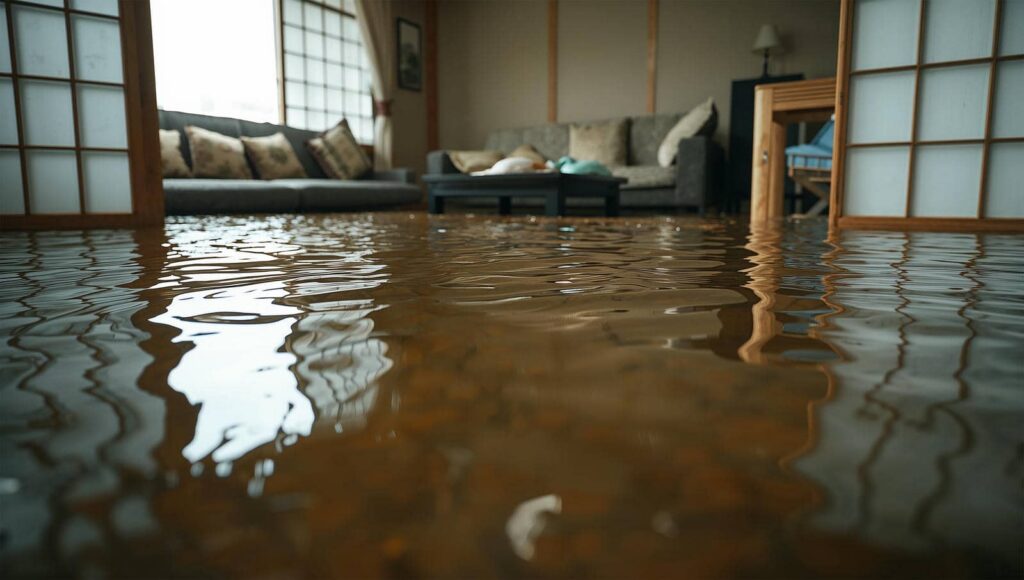
After a burst pipe soaks your basement at 2 a.m., you need 24/7 Emergency Water Damage Repair to move fast and limit further damage. First, shut off the water, cut power if needed, and check for structural hazards before entering the area. Then document every affected space for insurance, remove standing water, and begin drying and sanitizing before mold takes hold. The next decisions can limit costly damage, and one step matters more than you might expect.
Key Takeaways
- Shut off the main water and electricity immediately if safe to stop further damage and reduce hazards.
- Check for structural, electrical, and gas risks before entering flooded areas.
- Document all damage with photos, videos, dates, and receipts for insurance claims.
- Remove standing water quickly, then clean, disinfect, and dry affected areas thoroughly.
- Call water damage experts immediately for sewage, wall, ceiling, insulation, or recurring moisture issues.
Stop the Water and Shut Off Utilities
As soon as you notice water intrusion, shut off the main water supply to stop the flow and limit further damage.
Then verify the water shutoff valve is fully closed and, if needed, turn off electricity to affected areas only if you can do so safely.
You should also close gas service if water has reached appliances or meters, and call your utility company for guidance when you’re unsure.
Keep your household together, stay calm, and use utility safety as your priority while you secure the site.
If the leak came from a fixture, isolate that branch line.
If you can’t identify the source, leave the system off until a qualified technician arrives.
Taking these steps protects your home and helps your recovery team work faster.
Check the Damage Safely First
Before you enter the affected area, check for structural hazards such as sagging ceilings, warped floors, and unstable walls.
Look for electrical risks, including wet outlets, exposed wiring, and standing water near appliances, and keep clear of any energized circuit.
If anything looks unsafe, you should stay out and wait for a qualified professional.
Assess Structural Hazards
If you notice visible sagging, cracked framing, or shifting walls, stop and inspect the area from a safe distance first.
You need a quick hazard assessment before you enter, because water can weaken joists, studs, and subflooring without obvious warning.
Check for soft spots underfoot, separated seams, and doors that suddenly bind; these clues often signal reduced structural integrity.
Stay out of rooms with bowed ceilings, leaning supports, or floor bounce, and mark the area so others don’t wander in.
Use a flashlight and listen for popping or creaking that suggests movement.
You’re not alone in this process—careful evaluation helps protect everyone and keeps the response team focused on what’s stable, what’s not, and what needs immediate professional attention.
Identify Electrical Risks
Even after the structure seems stable, treat every wet area as a possible electrical hazard until you verify otherwise.
Before you step in, shut off power at the main breaker if you can do it without standing in water. If you can’t reach the panel safely, stay out and call a licensed electrician or emergency responder.
Check outlets, cords, appliances, and light fixtures for saturation, scorch marks, buzzing, or tripped breakers. Keep hands dry and wear insulated footwear.
Never touch metal switches or submerged equipment. Your risk assessment should include hidden wiring inside walls, ceilings, and floors, because water can travel farther than you see.
Good electrical safety protects you, your team, and your home while you prepare for cleanup and recovery.
Document Storm Damage for Insurance
Once the storm has passed and conditions are safe, document every area of water intrusion for your insurance claim. Take clear photos and video before you move anything, and note dates, times, and weather conditions.
This insurance documentation supports a precise damage assessment and helps your adjuster verify losses. You’re not alone; careful records strengthen your case and reduce delays.
- Capture wide shots and close-ups
- Record room names and affected materials
- Save receipts for emergency repairs
- Keep a written log of insurer calls
Use consistent file names and back up everything to the cloud. If items are damaged, list model numbers, purchase dates, and estimated values.
Share copies with your trusted contractor and insurer so your next steps stay aligned.
Remove Standing Water Fast
You need to extract standing water immediately with a wet vac, pump, or sump system to limit structural absorption and microbial growth.
Once the bulk water is gone, you should open pathways for safe drying by increasing airflow, reducing humidity, and removing saturated materials that can’t recover.
These fast steps help stabilize the space and lower the risk of secondary damage.
Quick Water Extraction
Before moisture can migrate into walls, flooring, and insulation, extract standing water as quickly as possible to limit structural damage and mold growth. You’ll protect your space and your people by acting with disciplined extraction techniques and the right emergency equipment.
- Shut off affected circuits before entering pooled water.
- Use a wet vacuum, pump, or squeegee for rapid removal.
- Work from the perimeter toward the deepest area.
- Empty equipment often to maintain strong suction.
You should move methodically, keeping traffic controlled so you don’t spread contamination. If water keeps returning, document the source and keep extracting until the area is clear.
Fast removal won’t solve every issue, but it gives you a stable starting point and helps your team regain control.
Safe Drying Steps
After extraction, start drying immediately to stop moisture from wicking into subfloors, drywall, and framing. You’ll protect the structure by opening baseboards, lifting carpet edges, and removing wet padding when possible.
Place air movers to sweep across damp surfaces, not directly at one spot, and pair them with dehumidifier use to pull vapor from the air. Keep indoor humidity low and monitor progress with a moisture meter.
Use ventilation techniques like opening safe windows only when outside air is dry and won’t add more humidity. If materials stay saturated after 24 to 48 hours, call a restoration team.
You’re not alone in this process; steady, methodical drying helps your space recover safely, and your next steps stay clear.
Dry Out Storm-Damaged Walls and Floors
Once the area is safe, start drying storm-damaged walls and floors immediately to limit swelling, mold growth, and hidden structural damage.
You should begin with a moisture assessment, checking baseboards, drywall, and subfloors so you can target the wettest zones first. Remove standing water, then use fans and dehumidifiers to move air across surfaces and pull vapor from materials.
- Open cavities where wall insulation is saturated
- Lift carpet edges to expose trapped moisture
- Run equipment continuously until readings stabilize
- Monitor progress with a meter every few hours
Keep pathways clear so your crew can work efficiently and stay coordinated.
When you act quickly and methodically, you protect the structure and help your home feel secure again.
Clean and Sanitize Contaminated Areas
Disinfect all contaminated surfaces as soon as the area is dry enough to work safely, because floodwater and storm runoff can leave behind bacteria, silt, and other harmful residue.
You should identify contamination sources first, then remove loose debris with disposable towels or a HEPA vacuum.
Mix approved cleaning supplies according to the label, and work from the cleanest area toward the dirtiest so you don’t spread residue.
Scrub hard surfaces, then apply a sanitizer with the required dwell time.
If porous materials still smell musty or hold stains, clean them again or remove them.
Wear gloves, eye protection, and a respirator if dust is present.
You’re part of a team that restores safe, healthy spaces, so keep tools separate, replace wash water often, and document every treated area.
Handle Sewage Backup and Broken Pipes
If the water source includes sewage or a broken supply line, treat the area as a higher-risk contamination event and isolate it right away. You’ll protect your team and reduce spread by shutting off water, blocking entry, and documenting damage for a faster response.
- Wear gloves, boots, and eye protection before contact.
- Remove standing water with dedicated equipment.
- Bag contaminated porous items for disposal.
- Call licensed crews for sewage cleanup and pipe repair.
You don’t need to guess what comes next: verify the source, stop the leak, and keep clean and dirty tools separate.
If pipe joints split or sewage backs up into fixtures, use backflow-safe methods and restore service only after inspections confirm the line is secure.
Clear communication keeps everyone aligned and helps your home recover with confidence.
Prevent Mold After Storm Damage
Even after the storm has passed, you need to move fast to prevent mold from taking hold in wet materials and hidden cavities. Remove soaked drywall, insulation, and carpeting as soon as you can, then expose framing so air can circulate.
Use dehumidifiers and fans to support humidity control, keeping indoor moisture low and steady. Wipe hard surfaces with a disinfecting cleaner, and dry them completely.
Check closets, baseboards, and under cabinets, because mold often starts where airflow stays weak. Seal clean, dry rooms from outside dampness if you can, and keep monitoring moisture with a meter.
This mold prevention routine helps you protect your space, your health, and the people who count on you.
When to Call Water Damage Experts
When should you bring in water damage experts? You should call them as soon as water threatens hidden materials, electrical systems, or your peace of mind. Their emergency response team can inspect, extract, dry, and document damage before it spreads. You’re not overreacting; you’re protecting your space and everyone in it.
Water has reached the walls, ceilings, or insulation
You smell musty odors after drying
Sewage, storm, or contaminated water entered
You see warping, staining, or recurring moisture
Fast water restoration limits structural decay and mold growth. If the source is unknown, the area is larger than a room, or your cleanup isn’t improving conditions, call now.
Acting early keeps repairs smaller, safer, and more predictable for your household.
Frequently Asked Questions
How Quickly Should I Evacuate After Flooding Starts?
You should evacuate immediately when flooding starts, especially if water rises fast or reaches outlets. Your flood evacuation plan and emergency preparedness steps should guide you. Leave early, stay calm, and protect your household together.
Can I Use a Generator Safely During Water Damage Cleanup?
No, you shouldn’t use a generator indoors during cleanup; carbon monoxide causes over 400 deaths yearly. For generator safety, place it outdoors, dry, and ventilated. During flood cleanup, use grounded cords and keep connections elevated.
What Personal Protective Gear Is Best for Contaminated Floodwater?
You should wear waterproof gloves, rubber boots, eye protection, and a respirator, because contaminated floodwater hazards threaten your personal safety. Use long sleeves, pants, and disposable coveralls, and you’ll protect yourself while working confidently.
How Do I Protect Valuables Before Emergency Repairs Begin?
Don’t wait for perfect conditions; move valuables now. Create an emergency inventory, photograph each item, then seal them in valuable storage off the floor. Use dry, labeled containers and keep them with you until repairs start.
Will My Homeowners Policy Cover Temporary Relocation Costs?
Your homeowners policy may cover temporary relocation costs if you’ve got relocation coverage, but benefits depend on policy limits and the cause of loss. You should review your declarations page and call your insurer promptly.
Wrap-Up
When you stop the water, dry the space, and document every detail, you turn chaos into a clear recovery plan. You protect your home like a sealed vessel, keeping hidden moisture from settling into walls and floors. If sewage, storm surge, or structural damage feels beyond your reach, call experts fast. Their tools and training help you restore safety, stop mold, and bring your home back from the flood’s grip.
Recent Posts
7 Tips for Home Water Damage Assessment
Could a quick visual check reveal water damage before it spreads? Water damage assessment starts
7 Home Water Damage Assessment Tips
Could a quick visual check reveal water damage before it spreads? Water damage assessment starts
10 Best Home Water Damage Assessment Tips
If you suspect water damage, you need to move quickly and assess it methodically. Home