
Contents
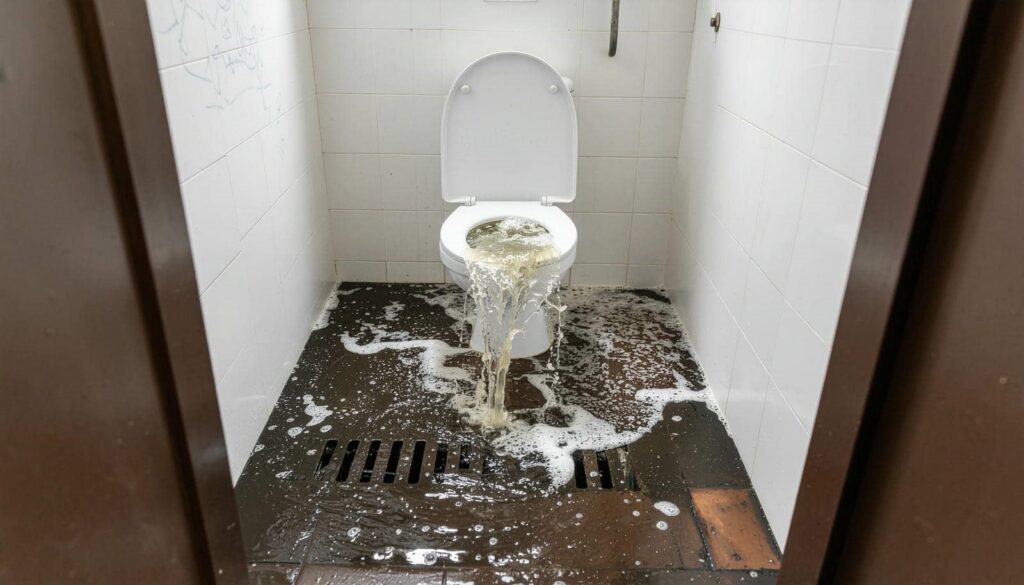
When sewage seeps in, it’s like a dark line crossing a clean floor, marking trouble you can’t ignore. You need sewage cleanup experts fast because contaminated water can spread bacteria, damage structure, and worsen if you wait. They isolate the area, remove waste with industrial equipment, and document losses for restoration and insurance. What they do in the first hour often decides how much you’ll save.
Key Takeaways
- Sewage cleanup experts isolate contaminated areas, stop the source, and protect occupants from direct exposure.
- They use industrial extraction equipment to remove standing sewage and contaminated debris safely.
- Professionals clean and disinfect structural surfaces to eliminate bacteria, viruses, and odors.
- Drying equipment and moisture monitoring help prevent mold and further structural damage.
- Call experts immediately if sewage spreads, enters hidden spaces, or causes health symptoms.
Emergency Sewage Cleanup: What to Do First
When sewage backs up into your property, you need to act fast: isolate the affected area, stop contact with contaminated water, and shut off the source if you can do so safely.
Put on gloves, boots, and eye protection before you enter, and keep children and pets away. Open windows if conditions allow, but don’t use fans that could spread contaminants.
Remove wet items only if you can do it without exposure, and bag them for disposal or later decontamination. Document the damage for your records, then contact your insurer and a qualified cleanup team.
These safety precautions reduce health risks and help you stay in control. Stay calm, follow the plan, and let trained professionals handle the restoration process.
Signs You Need Sewage Cleanup Experts Right Away
If sewage is still backing up, spreading beyond one room, or entering HVAC, wall cavities, or electrical areas, you need sewage cleanup experts right away. You’re facing active contamination, and delaying response raises health risks for everyone in the space.
Watch for these signs:
Persistent sewage odor after surface water recedes.
Visible wastewater in multiple rooms, drains, or hidden spaces.
Signs of toxic exposure, like nausea, headaches, skin irritation, or respiratory discomfort.
You shouldn’t treat this as a routine cleanup. Sewage can carry bacteria, viruses, and other contaminants that spread fast in shared environments.
Acting quickly helps protect your team, your property, and the people who count on you. If conditions keep worsening, call professionals immediately and keep the area closed.
How Experts Remove Sewage Water
Experts start by stopping the source and isolating the affected area. Then they pump out standing sewage water with industrial-grade extraction equipment. You’re kept informed while technicians use sewage removal techniques tailored to the contamination level and surface type.
They remove bulk waste, then apply vacuum systems and wet-rated pumps to capture remaining liquid from floors, voids, and low spots. Professional equipment helps them work quickly while reducing spread to clean areas. They also monitor access points, so you stay protected from cross-contamination and airborne hazards.
Once the water is removed, they collect debris and transport it for compliant disposal. This controlled process gives your property a safer start and helps your cleanup team move with confidence, precision, and coordinated support.
What Happens During Sewage Restoration
Once the sewage water is out, restoration moves into cleanup, drying, and rebuilding the affected areas. You’ll see technicians isolate contaminated zones, remove porous materials, and clean structural surfaces with approved disinfectants.
They test moisture levels, run air movers and dehumidifiers, and document progress so you know the work’s on track.
- Remove damaged materials and debris.
- Sanitize surfaces to control sewage contamination.
- Restore framing, flooring, and finishes.
During this process, your team protects you from health risks by using containment, PPE, and controlled disposal.
You’ll get clear updates, and the goal is to return your space to a safe, functional condition with minimal disruption.
Why Fast Extraction Matters After Sewage Damage
Fast extraction matters because the longer sewage water sits, the deeper it can spread into subfloors, drywall, insulation, and framing, increasing contamination and structural damage.
You face higher health risks from bacteria, viruses, and airborne particles when removal slows. Quick action limits property damage, reduces demolition needs, and helps your team restore safe conditions faster.
Crews follow strict sanitation protocols to isolate affected areas, remove wastewater, dry materials, and disinfect surfaces before hidden moisture triggers long term effects like mold or rot.
Rapid response also supports insurance claims by documenting damage early and showing you acted responsibly.
With proven prevention strategies, you protect your space, your people, and your recovery timeline.
Frequently Asked Questions
How Long Does Sewage Cleanup Usually Take?
You’ll usually need one to three days for sewage cleanup, though sewage cleanup duration depends on factors affecting cleanup like contamination level, affected materials, drying time, and inspection needs. You’ll get safer results with professional, careful remediation.
Is Sewage Damage Covered by Homeowners Insurance?
Generally, your homeowners policy doesn’t cover sewage damage unless you’ve added sewer backup coverage; a stitch in time saves nine. Check your exclusions, deductibles, and endorsements, then call your insurer promptly to confirm details.
Can Sewage Odors Remain After Cleanup?
Yes, sewage odors can remain after cleanup if moisture, porous materials, or hidden contamination persist. You’ll need complete drying, odor-source removal, and deodorization to eliminate sewage odor and lingering scents effectively.
Do I Need to Leave My Home During Cleanup?
Yes, you may need to leave, especially if contamination’s severe. Like a hospital isolating one room after a spill, your evacuation safety depends on cleanup procedures, airflow, and exposure risks; follow professionals’ guidance immediately.
How Can I Prevent Future Sewage Backups?
You can prevent future sewage backups by following prevention tips and scheduling routine plumbing maintenance. Don’t flush wipes, grease, or debris, and you’ll protect your system, reduce blockages, and stay confident in your home.
Wrap-Up
When sewage damage hits, you can’t afford to delay. According to industry reports, mold can begin growing within 24 to 48 hours after water exposure, making a fast response critical. That’s why you should call sewage cleanup experts right away to isolate the area, remove contaminated water, and restore safe conditions. With the right equipment and sanitation protocols, you’ll reduce health risks, limit structural damage, and support a smoother insurance claim.
Recent Posts
How to Clean Up Pipe Damage Fast
When a pipe breaks, you need to act fast to limit structural damage and mold
Why Hire Pipe Damage Cleanup Experts?
You need fast cleanup, careful cleanup, and expert cleanup when pipe damage hits your home.
What Pipe Cleanup Experts Do Nearby
When a sewer line backs up in your basement after a heavy rain, nearby pipe