
Contents
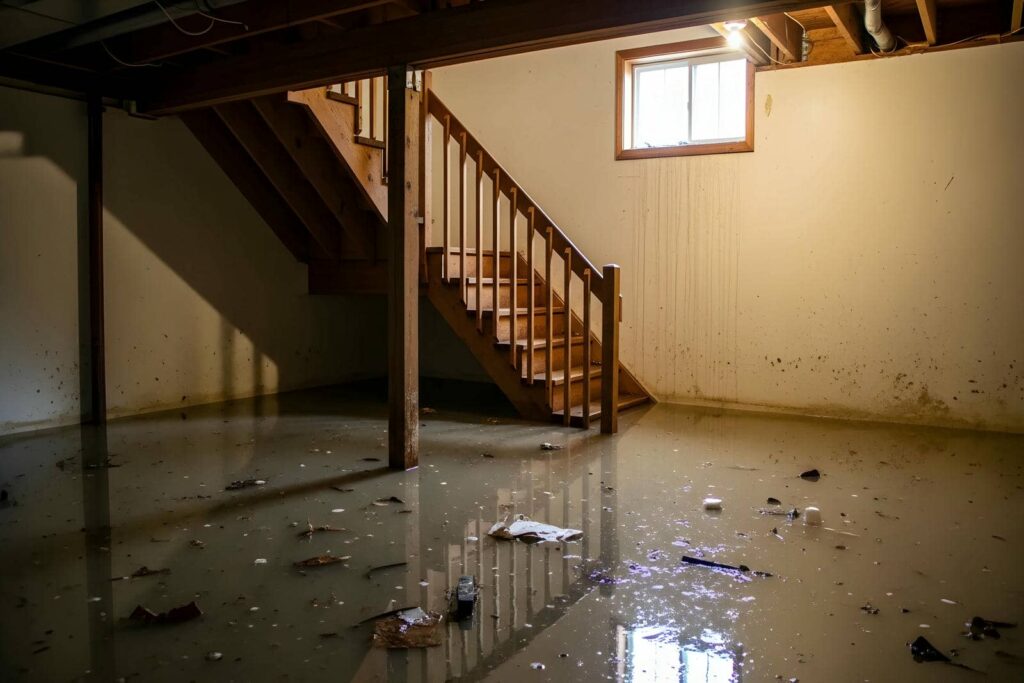
Have you considered the hidden dangers lurking in sewage backup? Addressing this issue in your basement is essential for your property and for your health as well. Contaminated water can introduce harmful pathogens that pose serious health risks. The clock is ticking, and understanding the causes and implications of sewage backup can help you mitigate damage and safeguard your home. What steps should you take to ensure effective remediation?
Key Takeaways
- Sewage backup can introduce harmful pathogens, leading to serious health risks for occupants in the home.
- Contaminated water can cause significant structural damage to walls and flooring if not addressed promptly.
- Immediate cleanup minimizes long-term health issues and prevents mold growth, exacerbating allergies and respiratory problems.
- Professional remediation ensures thorough inspections, effective contaminant removal, and prevents further complications.
- Regular maintenance and prompt action can protect your basement from future sewage backup incidents.
Identifying the Causes of Sewage Backup
Sewage backup can occur for several reasons, and identifying the cause is vital for effective remediation. One common issue is a blockage in your plumbing system, which can stem from grease, hair, or foreign objects. Conducting a thorough cause analysis can help you pinpoint these plumbing issues.
Additionally, tree roots can infiltrate sewer lines, causing significant obstruction. Another factor could be a failed sewer line due to age or corrosion, requiring immediate attention. Heavy rainfall or flooding may overwhelm your system, leading to backups as well.
Understanding these potential causes empowers you to take prompt action. By addressing the root of the problem, you can prevent future backups and ensure your basement remains safe and functional.
Health Risks Associated With Sewage Contamination
When your basement experiences sewage contamination, it poses serious health risks that shouldn’t be ignored.
Exposure to contaminated water can introduce harmful pathogens, leading to gastrointestinal illnesses, respiratory issues, and skin infections. The presence of bacteria, viruses, and parasites greatly increases contamination risks, putting you and your family at greater risk of serious health hazards.
Exposure to sewage-contaminated water can introduce dangerous pathogens, heightening the risk of serious health issues for your family.
Mold growth, often a consequence of damp environments, further complicates the situation, potentially exacerbating allergies and respiratory problems.
It’s vital to recognize that prolonged exposure can lead to chronic health issues. By addressing these risks immediately, you can protect your home and your loved ones’ health.
Prioritizing safety in the face of sewage contamination is essential for a healthy living environment.
The Importance of Immediate Cleanup
Addressing sewage contamination promptly is essential for minimizing damage and reducing health risks. An immediate response is imperative; the longer you wait, the more extensive the damage becomes.
Contaminated water can seep into walls and flooring, leading to structural issues and costly repairs. It’s essential to conduct a thorough inspection to identify all affected areas and ensure no hidden moisture remains. Not only does this protect your property, but it also safeguards your health and the well-being of your loved ones.
Engaging professionals for cleanup can help you navigate the complexities of sewage backup, making sure it’s done safely and effectively. Remember, swift action can prevent further complications and give you peace of mind in your home environment.
Preventative Measures to Avoid Future Issues
To prevent future sewage backup issues, regular maintenance of your plumbing system is essential.
Implementing a routine of preventive maintenance helps you identify potential problems before they escalate. Schedule regular inspections of your pipes and drainage systems to catch clogs or leaks early. Pay special attention to areas prone to blockages, like kitchen sinks and bathroom drains.
Verify that stormwater drains are clear and functioning properly to prevent overflow during heavy rain. Consider installing a backwater valve to protect against sewage backups.
Using enzyme-based cleaners can also help keep your pipes clear of buildup. By taking these proactive steps, you safeguard your home and foster a sense of community by sharing knowledge and encouraging others to do the same.
Professional Services for Effective Remediation
Even with preventative measures in place, sewage backups can still occur, requiring professional intervention for effective remediation.
Sewage backups can happen despite precautions, making professional remediation essential for a safe and effective solution.
When faced with such a situation, it’s essential to rely on experts who specialize in remediation techniques. These professionals conduct thorough inspections to identify the root cause of the backup, ensuring no underlying issues are missed.
They utilize advanced equipment and methods to remove contaminants and restore your basement to a safe condition. By addressing the problem promptly and effectively, you can prevent further damage and health hazards.
Hiring professionals ensures a complete solution and provides peace of mind that your home is in good hands. Don’t hesitate to reach out for assistance when you need it most.
Frequently Asked Questions
How Can I Check for Early Signs of Sewage Backup?
To check for early signs of sewage backup, look for sewage odors and warning signs like slow drains, gurgling noises, or water pooling around fixtures. These indicators can help you prevent significant damage and health risks.
What Insurance Covers Sewage Backup Damages?
To ensure you’re covered, review your policy for sewage insurance, which often includes backup coverage. Many homeowner policies exclude this, so check your options or consider additional coverage to protect against unexpected damages.
Can I Handle Sewage Cleanup Myself?
Imagine sailing a ship through murky waters; you wouldn’t navigate alone. While you might handle sewage cleanup yourself, prioritizing sewage safety and proper cleanup methods is essential to avoid health risks and further complications.
How Long Does It Take to Remediate Sewage Damage?
The sewage remediation timeline varies based on damage severity, but expect it to take several days to weeks. A thorough basement damage assessment will help determine the necessary steps for effective cleanup and restoration.
What Are the Costs Associated With Sewage Backup Repairs?
When you face a plumbing mishap, understanding repair costs is essential. Expenses can range widely, often influenced by damage prevention measures. Investing wisely in repairs now can save you significant headaches and costs later.
Recap
Addressing sewage backup in your basement isn’t just important; it’s essential for your health and home. Ignoring it could lead to a disaster of epic proportions, with mold and structural damage lurking just around the corner. By acting quickly, you can mitigate health risks and prevent costly repairs down the line. Don’t wait for a small problem to spiral into a massive nightmare—take charge and make certain your space remains safe and sanitary.
Recent Posts
Toilet Overflow Water Damage Inspection Guide
A toilet overflow can send water beyond the visible puddle in minutes. You should shut
7 Best Toilet Overflow Water Damage Inspection
When you inspect toilet overflow water damage, you need to move fast and check the
7 Tips for Home Water Damage Assessment
Could a quick visual check reveal water damage before it spreads? Water damage assessment starts