
Contents
Water pooling under your floors can turn a small sewage overflow into a costly repair in minutes. You need immediate extraction because standing water wicks into flooring, drywall, insulation, and framing, where it weakens materials and drives contamination deeper. If you wait, you also raise mold, odor, and electrical risks. Fast removal limits damage, but the real difference shows up in what happens next.
Key Takeaways
- Immediate water removal stops contamination from spreading and reduces health risks from sewage and bacteria.
- Quick drying prevents flooring, drywall, and framing from swelling, warping, and losing structural integrity.
- Fast action limits mold growth, which can begin within 24 to 48 hours in wet materials.
- Removing water quickly protects crawl spaces and hidden areas from pests, decay, and load-bearing damage.
- Early extraction lowers repair costs by preserving more materials and reducing demolition and downtime.
Why Sewage Water Must Be Removed Quickly
Sewage water must be removed quickly because every hour it remains in place increases the risk of contamination, structural damage, and health hazards. You need immediate action to limit sewage contamination and protect everyone in the affected space.
A rapid emergency response reduces exposure to bacteria, viruses, and corrosive waste that can spread through air, surfaces, and porous materials. You also preserve recovery options by stopping the water from migrating into hidden areas where cleanup becomes more complex.
When you act fast, you support your team, restore safer conditions sooner, and keep the incident contained. Delays let hazards intensify, which raises remediation costs and extends downtime.
If you’re facing this situation, you can’t wait; prompt removal is the standard that protects health and supports your space.
How Standing Water Damages Floors
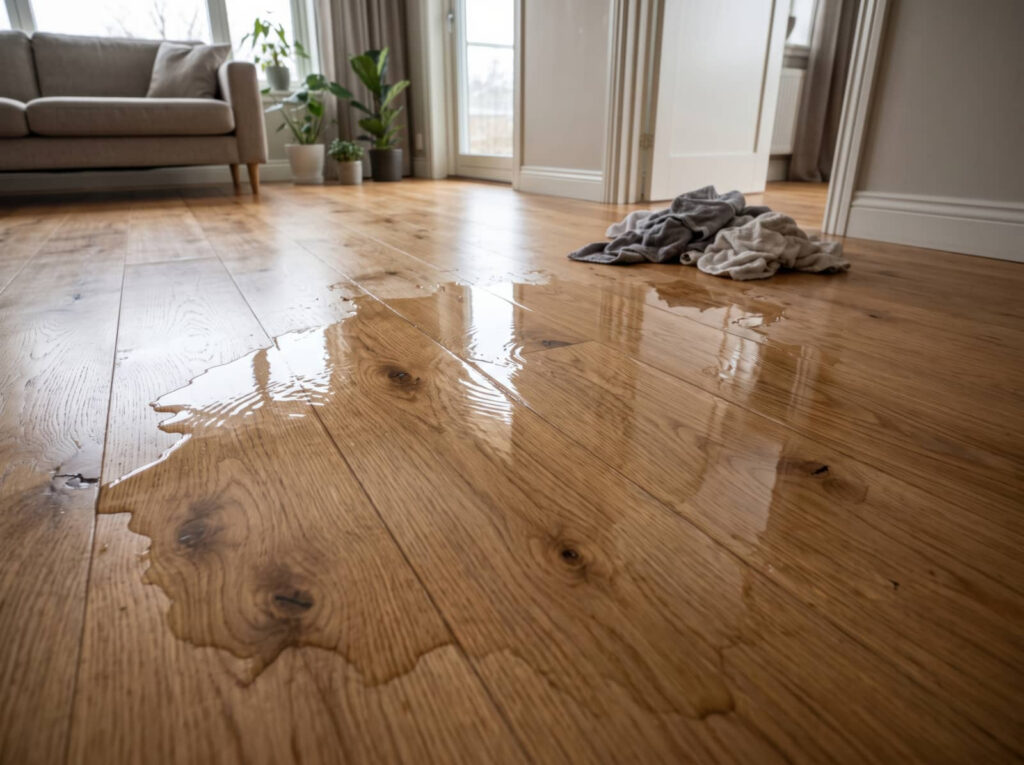
Even a short period of standing water can compromise flooring by seeping into seams, saturating underlayment, and weakening adhesives.
You can expect dimensional swelling in wood, softening in laminate cores, and delamination in resilient surfaces when moisture lingers. Different floor materials respond differently, but all face rising water absorption that undermines structural integrity and finish quality.
As the subfloor takes on moisture, it can lose flatness, and your floor may feel spongy, shift underfoot, or buckle at joints.
You’ll protect your space best when you act fast, because every hour of exposure increases the chance of permanent deformation and costly replacement.
In your home, prompt removal helps preserve the clean, stable environment you and your household deserve.
Mold Risks After Sewage Overflow
After a sewage overflow, you’re exposed to pathogens, bacteria, and other contaminants that can trigger serious health hazards.
Moisture left behind also creates ideal conditions for mold, which can begin colonizing porous materials within 24 to 48 hours.
You need immediate removal and sanitation to reduce both microbial growth and exposure risk.
Health Hazards From Sewage
When wastewater overflows into a building, it creates a contaminated environment that can quickly support mold growth if you don’t remove moisture immediately.
You face sewage contamination that carries bacteria, viruses, and parasites into porous materials, air pathways, and contact surfaces. These health risks can affect you and everyone who shares the space, especially if you breathe aerosols or touch affected items.
You should treat every overflow as a sanitary emergency, because contaminated water weakens indoor hygiene and exposes your household or team to avoidable illness.
Prompt extraction, cleaning, and disinfection help you restore a safer environment and protect the people who depend on you. Acting fast keeps your space compliant, controlled, and ready for normal use again.
Rapid Mold Growth Risks
Once sewage water enters a building, moisture and organic residue can fuel mold growth within 24 to 48 hours if you don’t dry the area thoroughly.
You need to act fast because spores spread through shared air spaces, drywall, insulation, and subflooring. If you stay in the building during cleanup, you should isolate affected rooms and verify that surfaces reach safe moisture levels.
Use mold prevention techniques such as removing porous materials, cleaning with approved disinfectants, and documenting hidden dampness.
Pair those steps with humidity control methods, including dehumidifiers, ventilation, and continuous monitoring.
When you follow this protocol, you protect your home and support everyone who relies on that space. Rapid response keeps your environment stable, reduces restoration costs, and limits long-term health and structural risks.
Protecting Drywall, Insulation, and Framing
Protecting drywall, insulation, and framing starts with limiting how long moisture stays in contact with building materials. You need immediate water removal to support drywall protection and reduce insulation challenges before hidden saturation weakens assemblies.
Wet drywall loses rigidity, swells at seams, and can crumble behind finishes. Insulation traps water, so it stops performing and may hold moisture against studs. Framing then absorbs that moisture, inviting warping, fastener corrosion, and microbial activity.
You’ll protect the structure best when you document affected areas, remove unsalvageable materials, and dry cavities with controlled airflow and dehumidification. That approach helps your property recover faster and keeps your home’s structure aligned, safe, and ready for restoration.
Why Crawl Space Water Removal Can’t Wait
You need to remove crawl space water immediately because standing moisture accelerates mold growth within hours and raises indoor air contamination risk.
If you delay, water will continue to weaken framing, subflooring, and insulation, and the damage can spread beyond the initial wet area.
Wet crawl spaces also create ideal conditions for pests, which increases the likelihood of infestation and secondary contamination.
Mold Growth Risks
When crawl space water lingers, mold can begin colonizing damp framing, insulation, and subfloor materials within 24 to 48 hours, turning a moisture problem into a health and structural hazard.
You need rapid extraction, drying, and humidity control to interrupt spore germination before colonies establish. Once mold develops, it can circulate spores through floor gaps and duct leaks, reducing indoor air quality for everyone in the home.
Effective mold prevention strategies include sealing water entry points, running dehumidification, and verifying moisture levels with a hygrometer.
You protect your household when you act before visible growth appears, because hidden contamination often spreads unnoticed in enclosed crawl spaces.
Prompt removal also helps you maintain a cleaner, safer environment that supports your home’s long-term performance and your comfort.
Structural Damage Spreads
Lingering crawl space water doesn’t just raise moisture levels; it starts weakening structural materials fast.
You’ll see moisture migration move through joists, subflooring, and sill plates, reducing load-bearing capacity and accelerating decay. When wood stays wet, it swells, softens, and loses fastener grip, which can shift framing and stress your home’s foundation integrity.
That damage rarely stays isolated; it spreads as adjoining members absorb water and lose stiffness. If you wait, small distortions become measurable settlement, uneven floors, and cracked finishes.
You belong in a dry, stable home, and fast water removal protects that stability before structural repair costs climb. Immediate action limits deterioration, preserves alignment, and keeps the crawl space from becoming a pathway for broader structural failure.
Pest Infestation Conditions
Standing water and saturated organic debris in a crawl space create ideal conditions for pests, including termites, carpenter ants, cockroaches, rodents, and mosquitoes.
You’re also increasing pest breeding when you delay removal, because damp insulation, wood, and soil retain warmth and shelter.
Moisture attraction draws insects and rodents toward the space, then gives them food, nesting material, and access routes into your home.
If you act quickly, you disrupt that cycle and protect the indoor environment your household depends on.
Professional extraction, drying, and sanitation reduce odor, eliminate harborage, and limit re-entry points.
You belong to a group of homeowners who treat crawl space water as an urgent biological risk, not a minor inconvenience.
How Pros Stop Odors and Bacteria
After water extraction, professionals move quickly to neutralize odors and suppress bacterial growth before contamination spreads.
You benefit from targeted deodorization that treats porous materials, air channels, and hidden residues where smells linger. Teams apply EPA-registered antimicrobials, control humidity, and use HEPA filtration to reduce airborne particles and support bacteria control.
They inspect affected surfaces, then choose the right method for odor elimination, whether thermal fogging, hydroxyl treatment, or absorbent media.
You stay informed as technicians document each step, verify contact times, and retest until conditions meet restoration standards.
This precise process helps your space feel clean, safe, and normal again, so you can rejoin daily routines with confidence and trust the system working for you.
Electrical and Structural Hazards to Watch For
Before crews continue drying, they check for electrical and structural hazards that can turn a water-loss event into a safety incident. You should assume every wet circuit, outlet, and appliance is energized until a qualified technician verifies electrical safety.
Power can arc through hidden moisture and energize metal framing, so keep out of affected rooms if you notice sparks, buzzing, or burning odors.
You also need to watch structural integrity: saturated drywall can collapse, swollen subfloors can fail underfoot, and compromised ceilings can drop without warning.
If walls bow, floors soften, or doors jam, stop using the area. Your team belongs in a space that’s safe, and careful inspection keeps everyone protected while restoration proceeds with control and precision.
What Professional Water Extraction Includes
Professional water extraction starts with a controlled assessment of standing water, affected materials, and access points. Then, it uses truck-mounted or portable extractors to remove bulk moisture quickly and efficiently. You’ll see technicians choose equipment types based on floor construction, fabric density, and how much water has pooled. This process keeps you in control and helps you feel supported by a team that knows the protocol.
Extraction pathways target carpets, pads, subfloors, and cavities.
Moisture meters verify the areas that still need service.
Crews reposition tools to reach edges, corners, and hidden pockets.
During water extraction, you get precise handling, documented readings, and coordinated movement that limits spread. That’s how your property stays part of a well-managed recovery plan.
How Fast Water Removal Reduces Repair Costs
Fast water removal lowers repair costs by limiting how long moisture can soak into building materials, finish layers, and concealed spaces.
When you act quickly, you reduce swelling, warping, corrosion, and microbial growth, so you’re less likely to replace drywall, insulation, flooring, or structural trim.
That faster response also shortens the repair timeline, which helps you coordinate contractors sooner and avoid secondary damage from delays.
You’ll see stronger cost savings because restoration teams can often dry, clean, and salvage more materials instead of demolishing them.
In practice, prompt extraction protects your property, preserves comfort, and keeps your space aligned with the standards you expect from a well-run home or business.
The result is a more controlled recovery with fewer disruptions.
Frequently Asked Questions
How Soon Should Water Be Removed After a Leak?
You should remove water immediately after a leak; every hour increases water damage. After leak detection, you’ll need rapid moisture control and restoration techniques to protect your space, meet standards, and keep you included in recovery.
Can Carpets Be Saved After Sewage Exposure?
Yes, you can sometimes save carpets after sewage exposure, but you’ll need professional sewage cleanup and carpet restoration immediately. You’ll protect your home, reduce contamination, and improve your odds of restoring it safely and completely.
Does Standing Water Attract Pests Indoors?
Yes, standing water attracts pests indoors by providing breeding sites and moisture. You should remove it quickly to support pest control and indoor hygiene, protect your space, and keep your home comfortable, safe, and clean.
Will My Insurance Cover Emergency Water Removal?
Maybe your insurer thinks water builds character, but emergency removal’s often covered when you’ve got suitable insurance policies and meet coverage limits. You should review exclusions, document damage, and contact your carrier immediately.
How Long Does Professional Water Extraction Take?
You’ll usually need 1–4 hours for professional water extraction, depending on room size, saturation, and water extraction techniques. A fast emergency response helps you feel supported while crews remove standing water and protect your property.
Conclusion
If you wait, sewage water doesn’t just sit there—it attacks your floors, wicks into drywall, saturates insulation, and turns your crawl space into a breeding ground for mold and bacteria. You need immediate extraction to stop structural damage, odor spread, and electrical hazards before they snowball into a full-blown disaster. Fast water removal isn’t optional; it’s the difference between a manageable cleanup and a property-wide catastrophe.
Recent Posts
10 Tips for Toilet Overflow Cleanup
A toilet overflow can escalate fast, so you need to act before water reaches flooring,
10 Best Water Overflow Cleanup Solutions
When you face a water overflow, you need to act fast and in the right
10 Best Standing Water Removal Solutions
You may not realize that even a thin layer of standing water in a crawl