
Contents
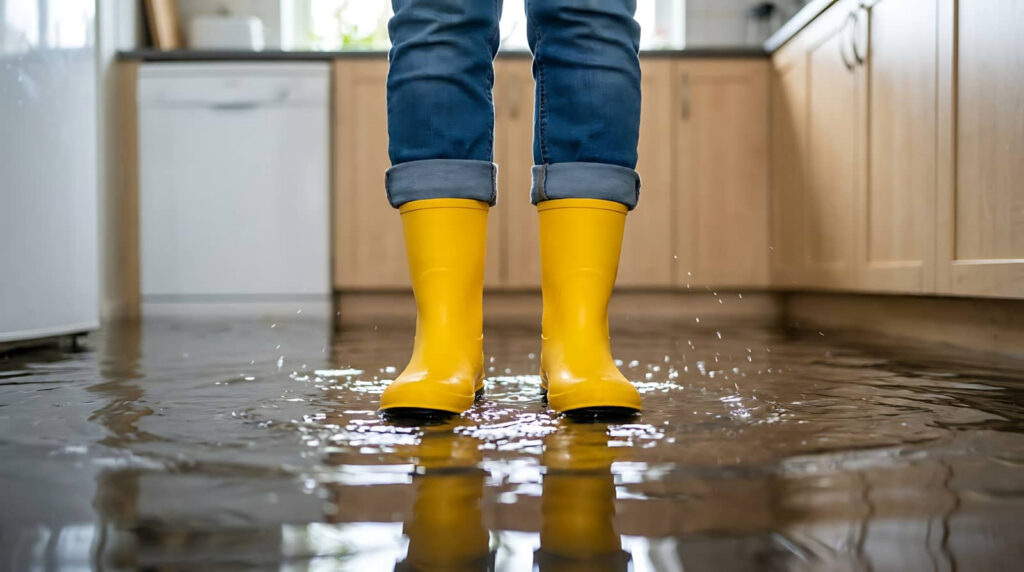
Remove standing water safely by identifying the water source and assessing potential hazards before starting cleanup. When water starts lingering where it shouldn’t, wear appropriate protective equipment, including waterproof boots and gloves, and ensure power to affected areas is safely disconnected before entering. Never enter standing water if electrical hazards may be present. A dirty-water submersible pump can help remove pooled water, but contaminated water also requires proper disposal and thorough disinfection. Professional water removal includes checking for moisture trapped in walls, flooring, and other concealed spaces to help prevent mold growth and structural deterioration. Following the correct cleanup sequence helps prevent hidden damage, protect occupants, and reduce the risk of costly repairs.
Key Takeaways
- Stop using the area immediately and shut off the water supply if it is safe to do so.
- Wear waterproof boots, gloves, eye protection, and a respirator if contamination is possible.
- Identify the source of the water before removing it, and call a plumber if the backup continues.
- Use a submersible pump or wet vacuum for dirty water, and discharge it to an approved location.
- Clean, disinfect, and dry the area quickly with fans and dehumidifiers to prevent mold growth.
Stop the Sewage Backup Safely
If sewage is backing up into the area, stop using all connected fixtures right away and shut off the main water supply if you can do so safely.
Next, isolate the affected drain lines by closing nearby valves or cleanout caps if your system allows it. You should keep traffic away from the area and limit any flushing, showering, or laundry that could worsen the overflow.
Watch for sewage odor, which often signals active contamination and helps you track the source. If you have access to the building’s main sewer cleanout, inspect it only from outside the hazard zone and note any rising flow.
Quick shutdown supports backup prevention and reduces further spread. If you can’t stop the backup at the source, contact a licensed plumber or municipal sewer authority immediately.
Protect Yourself Before Entering
Before you step into standing water, put on waterproof boots, insulated gloves, long sleeves, eye protection, and, if contamination is possible, a properly fitted respirator.
Keep your protective gear intact and check for tears, loose seams, or exposed skin before you move. Add a hard hat and non-slip sole covers if debris or slick surfaces are likely.
Remove jewelry, secure hair, and keep cuts covered with waterproof dressings. These safety precautions reduce exposure to bacteria, chemicals, and electrical hazards, and they help you work with confidence as part of a careful cleanup team.
If your gear gets wet or damaged, stop and replace it before you continue. Stay alert, move slowly, and let your preparation protect you and everyone nearby.
Find the Source of the Backup
Start by tracing where the water is coming from so you can stop it at the source. Check floor drains, wall penetrations, and nearby fixtures for active leaks, slow seepage, or overflow paths.
If water rises after rain, inspect gutters, downspouts, and exterior grading for points where runoff can enter. If it appears after toilet, sink, or shower use, look for clogged drains or a failed trap seal. You can test each fixture one at a time to isolate the problem.
Note any gurgling, backups, or odors, since they help you pinpoint the line at fault. If you can’t identify the origin quickly, schedule a plumbing inspection so your crew can confirm the blockage, protect your space, and keep cleanup moving safely together.
Pump Out Sewage Water From the Crawl Space
Once you’ve confirmed the backup is sewage, pump it out of the crawl space with a submersible utility pump rated for dirty water and solids.
Set the pump on a stable surface, keep the intake clear, and route the discharge hose to an approved outlet. If you already have sump pumps, shut them off first so they don’t recirculate the contaminated water.
Work in short cycles and watch the water level so the pump doesn’t run dry. Wear gloves, boots, eye protection, and a respirator if needed.
Stay alert for electrical hazards and unstable debris. If the crawl space refills, you’re likely dealing with ongoing plumbing issues, so stop and reassess before continuing.
Dispose of Contaminated Water Safely
Contain the wastewater in sealed, leakproof containers and treat every item that touched it as contaminated.
You should never pour it into a storm drain, yard, or septic opening unless your local authority approves it. For safe water disposal, contact your municipal wastewater utility or licensed hauler and ask where they accept this load.
If the water contains sewage, chemicals, or fuel residue, classify it as hazardous waste and follow the local reporting and transport rules.
Keep containers upright, labeled, and covered during transfer. Wear gloves, boots, and eye protection when moving them, and wash your hands after.
You’re doing the right thing by managing this carefully; your crew and neighbors stay safer when you route contamination through approved disposal channels.
Clean and Disinfect the Crawl Space
Scrub the crawl space after the standing water is gone, removing mud, silt, debris, and any wet insulation or damaged vapor barrier that can trap moisture.
Then wash surfaces with a detergent solution and disinfect floors, joists, and piers with an approved product. You’ll protect your home when you work methodically and keep your crew or family aligned on each step.
- Remove loose contaminants first.
- Clean tools between contact points.
- Treat cracks and corners last.
- Check crawl space ventilation openings for blockage.
- Inspect moisture barriers for tears or contamination.
Use PPE, follow label contact times, and avoid mixing chemicals.
After cleaning, bag debris and seal it for disposal. Keep the area accessible so everyone involved can verify the crawl space is sanitary and ready for the next restoration stage.
Dry the Crawl Space Thoroughly
Use high-powered fans to move air across the crawl space and accelerate evaporation from floors, joists, and wall surfaces.
Keep the fans running until the area feels dry and humidity drops to a normal level.
Check for hidden moisture in insulation, behind vapor barriers, and in corners so you don’t leave damp materials in place.
Use High-Powered Fans
After you pump out the standing water, set up high-powered fans to move air continuously through the crawl space and speed evaporation from the floor joists, insulation, and subfloor.
Choose fan types that deliver strong static pressure, and aim them to create crossflow instead of dead zones.
Use these airflow techniques:
- Place fans at opposite ends
- Elevate units off damp ground
- Angle streams under joists
- Keep cords clear of moisture
- Run fans nonstop until surfaces dry
You’ll dry the space faster when you overlap air paths and keep vents, access doors, and obstructions from blocking circulation.
Stay with the process, because steady airflow helps your crawl space team protect the structure and feel confident about the cleanup.
Check For Hidden Moisture
Check hidden moisture in every vulnerable area of the crawl space, because surface dryness can hide trapped water in insulation, joists, sill plates, and soil.
Use moisture detection tools, such as a pin meter or thermal camera, to verify that framing and subflooring have returned to safe levels.
Inspect around pipes, vents, corners, and seams for hidden leaks, and watch for staining, swelling, or musty odors.
If you find damp insulation, remove it so the area can dry completely.
Keep airflow moving and recheck readings after several hours, especially after rain or HVAC use.
You’re not just drying a space; you’re protecting your home like a team that knows every detail matters.
When readings stay stable, you can move on with confidence.
Check for Hidden Damage and Mold
Inspect the walls and floors for swelling, staining, soft spots, and separated materials.
Check behind baseboards, under insulation, and at floor joints for trapped moisture or structural damage.
Watch for mold growth, especially in dark, damp areas, and mark any affected spots for cleanup or further assessment.
Inspect Walls And Floors
Even if the surface water is gone, moisture can still linger inside walls and under flooring, so you’ll need to examine these areas closely for hidden damage. Start a moisture assessment with a meter, then document any swelling, warping, or soft spots.
During your mold inspection, note stained drywall, buckled trim, and loose grout. You belong in control here, so move methodically and protect intact materials.
- Press baseboards for movement
- Check floor edges for bounce
- Remove a small access panel if needed
- Compare damp readings across rooms
- Mark suspect areas for drying
If a wall feels cool or a floor flexes, treat it as compromised and isolate it. Quick, careful checks now help you avoid bigger repairs later and keep your cleanup on track.
Watch For Mold Growth
Mold can start growing within 24 to 48 hours after water exposure, so you need to verify hidden areas as soon as the wet surfaces are controlled.
Check behind baseboards, under flooring, inside cabinets, and around insulation for discoloration, musty odors, or soft materials. If you see fuzzy spots or damp dust, isolate the area and document it.
Keep humidity low with fans, dehumidifiers, and open pathways for airflow; that supports moisture control and mold prevention. You belong in a clean, stable space, so don’t ignore small signs that point to hidden damage.
Remove porous items that stayed wet too long, and clean hard surfaces with an approved antimicrobial product. If the affected area is large, call a certified remediation professional promptly.
Call a Sewage Cleanup Professional
If the standing water came from a sewer backup, you should call a sewage cleanup professional right away. You’re dealing with contaminated water, and fast action protects your home, health, and the people who count on you.
Professional services can isolate the area, remove wastewater, and sanitize affected materials before bacteria spread.
- Wear protective gear if you enter the area.
- Shut off electricity to flooded rooms.
- Keep kids and pets away.
- Document damage for insurance.
- Request moisture testing after cleanup.
A trained team uses pumps, antimicrobial agents, and drying equipment to restore safe conditions.
When you call early, you join a smarter response plan and reduce long-term repair costs.
Frequently Asked Questions
What Should I Do if Standing Water Reaches Electrical Outlets?
Shut off power at the breaker, keep everyone away, and don’t touch the water or outlets. You’re facing electrical hazards, so use outlet safety: call a licensed electrician and your utility company immediately.
How Can I Tell if Standing Water Is Contaminated?
You can tell by checking contamination signs: discoloration, odors, sewage, or debris. If you’re unsure, use water testing for bacteria, chemicals, or pH. Wear protection, and treat any suspicious standing water as unsafe.
Can I Remove Standing Water With a Wet-Dry Vacuum?
Yes, you can, if you practice proper vacuum safety. Use the wet-dry vacuum for shallow water extraction only, avoid contaminated water, and wear gloves and boots. You’ll work efficiently and protect yourself and your space.
What Equipment Is Safest for Pumping Small Amounts of Water?
For small amounts, you’ll do safest with a submersible pump or utility pump; sump pumps work well in shallow pits, and portable generators can power them outdoors when mains electricity isn’t available.
How Do I Prevent Standing Water From Returning After Cleanup?
Fix the cause, not just the puddle: you’ll need drainage solutions and landscape grading. Refill low spots, clear gutters, extend downspouts, and inspect after storms so you can keep water away and stay ahead.
Final Thoughts
By shutting off power, wearing protective gear, and pumping out the water safely, you’ll control the sewage backup before it spreads. Dispose of contaminated water correctly, then clean, disinfect, and dry the crawl space until it’s as dry as a bone. Keep checking for hidden damage and mold, and call a sewage cleanup professional if the problem’s beyond your equipment. Acting quickly keeps your space safer and helps prevent costly repairs.
Recent Posts
Sewage Water Removal for Home Damage
When sewage backs up into your home, you need to act fast or the damage
What Is Sewage Water Removal?
If you’re dealing with sewage water, you need more than a quick cleanup. You have
How to Repair Overflow Water Damage
When overflow water damage hits, you need to act fast to limit structural and sanitary