
Contents
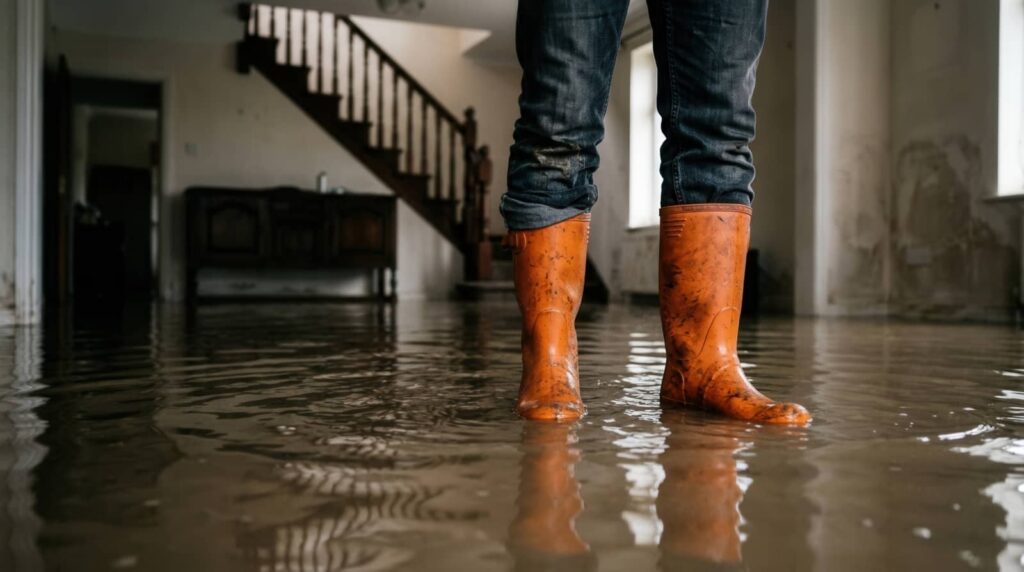
When storm water hits your home, it can move like a hidden wrench in the works. Storm Water Damage Repair starts with inspecting for visible and hidden damage, documenting everything, and checking for gas, electrical, and structural hazards before doing anything else. Then shut off water, remove standing water, dry and disinfect the area, and begin repairs to help prevent mold from spreading further.
Key Takeaways
- Inspect roofs, walls, windows, and foundations for storm damage, and photograph all visible issues for insurance claims.
- Shut off water, and if needed electricity and gas, from a safe dry location before entering flooded areas.
- Remove standing water quickly, then discard soaked drywall, insulation, carpet, and baseboards to prevent further damage.
- Dry and disinfect affected surfaces with fans, dehumidifiers, detergent, and approved disinfectant to reduce contamination.
- Repair leaks, replace damaged materials, and check hidden moisture to prevent mold growth and recurring water intrusion.
Check for Damage and Safety Hazards
Start with a careful walk-through of the property to spot visible storm damage and any immediate hazards. You should inspect roofs, siding, windows, gutters, and foundation lines for cracks, missing materials, or impact marks.
Check ceilings, walls, and floors for staining, swelling, or sagging that signals hidden water intrusion. If you notice pooling, confirm whether your water drainage paths are blocked by debris or soil shifts.
Document every issue with photos and notes for your flood insurance claim, including dates and locations. Stay alert for loose electrical components, gas odors, or unstable surfaces, and keep everyone away from those areas.
As a homeowner, you’re part of a community that looks out for one another, so share critical findings with neighbors if nearby structures may also be affected.
Shut Off Water and Secure Your Home
If water is still entering the home, shut off the main supply right away and close the gas and electricity only if it can be done safely from a dry location.
Then locate the water source and confirm the valve is fully closed. If you can’t isolate it, call your utility provider and your emergency contacts immediately.
Secure your home by locking doors and windows, moving valuables to higher shelves, and placing towels or barriers at entry points to limit intrusion.
Keep family members together in one dry area and avoid touching wet wiring or appliances.
Document the shutoff time and any actions you take so you can report them clearly.
Stay calm, work methodically, and protect your household as you move to the next repair step.
Remove Standing Water and Damaged Materials
Begin removing standing water as soon as the area is safe to enter, using a wet/dry vacuum, sump pump, mop, or buckets for small amounts.
Work from the farthest point toward the exit so you don’t track water back in. Use water removal techniques that match the depth and surface type, and empty containers often to keep momentum.
Next, identify soaked drywall, insulation, carpet, baseboards, and any warped trim; pull them out with gloves and a mask.
Cut away saturated sections cleanly so you can avoid spreading debris. Bag all waste right away for material disposal, and keep it separated from salvageable items.
Move quickly, stay organized, and you’ll protect the structure while helping your crew restore the space together.
Dry, Clean, and Disinfect the Area
Once the standing water and damaged materials are gone, dry the exposed surfaces with fans, dehumidifiers, and open ventilation to pull moisture out of framing, subfloors, and remaining finishes.
Keep air moving across every wet cavity, and reposition equipment as areas dry. Wipe hard surfaces with a detergent solution, then apply an approved disinfectant to clean walls, floors, and fixtures you can safely reach.
Change dirty cloths and rinse tools often so you don’t spread contamination. Check hidden corners, base plates, and seams for lingering dampness.
As you work, inspect drainage solutions outside and confirm moisture barriers are intact at openings and penetrations.
Coordinate with your crew or neighbors if you’re sharing equipment, so the space dries evenly and everyone stays aligned on safe, practical next steps.
Repair Damage and Prevent Mold Growth
With the area dry and disinfected, you can start repairing damaged materials and stopping mold before it spreads. Remove warped drywall, swollen baseboards, and soaked insulation, then replace them with dry, matching materials.
Inspect framing, subflooring, and cavities for hidden moisture, because mold can return fast if you miss a damp pocket. Use a moisture meter to verify safe readings before you close walls.
Seal gaps, patch surfaces, and reinstall insulation carefully so your repair holds. For mold prevention, apply a quality antimicrobial treatment where appropriate and keep the space ventilated.
Support moisture control by fixing leaks, restoring drainage, and running dehumidifiers until humidity stays stable. When you follow each step, you protect your home and help your crew stay confident together.
Frequently Asked Questions
How Do I Document Storm Damage for Insurance Claims?
You’ll document storm damage for the insurance process by photographing every affected area, saving receipts, noting dates, and creating a damage list. Keep originals, back everything up, and submit your claim promptly to stay supported.
When Should I Call a Professional Restoration Company?
Call a professional restoration company as soon as floodwater strikes like a fast-moving tide. You’ll need emergency response for structural safety, water extraction within 24 hours, and expert drying if damage spreads, odors linger, or mold starts.
How Can I Prevent Future Storm Water Intrusion?
You can prevent future storm water intrusion by maintaining drainage systems, sealing cracks, and installing waterproof barriers. Grade soil away from your home, clean gutters regularly, and inspect downspouts after storms so you stay protected together.
What Permits Are Needed for Storm Damage Repairs?
You’ll usually need building, electrical, plumbing, or demolition permits. For example, after roof flooding, you’d file a roofing permit and maybe electrical approval. Check permit types and local regulations first so your repairs stay compliant and welcomed.
How Do I Choose Mold-Resistant Building Materials?
Choose nonporous, mold-resistant materials like cement board, fiberglass-faced gypsum, and treated lumber. You’ll want moisture control solutions, proper ventilation, and mold prevention techniques, so your space stays durable, healthy, and ready for your community.
Conclusion
Storm water can leave your home looking like a disaster zone, but you can wrestle it back fast. You’ve checked for hazards, shut off utilities, hauled out water and wrecked materials, and dried, cleaned, and disinfected every soaked surface. Now finish the job by repairing damage and sealing out future trouble. Don’t let hidden moisture turn into a mold monster; keep your home dry, safe, and standing strong against the next storm.
Recent Posts
Why Hire Pipe Damage Cleanup Experts?
You need fast cleanup, careful cleanup, and expert cleanup when pipe damage hits your home.
What Pipe Cleanup Experts Do Nearby
When a sewer line backs up in your basement after a heavy rain, nearby pipe
5 Best Water Damage Repair Services
When you face water damage, you need a repair service that responds fast, uses the