
Contents
You need fast cleanup, careful cleanup, and expert cleanup when pipe damage hits your home. These crews know how to contain contamination, remove damaged materials, and dry hidden moisture before mold or structural issues spread. They also use the right tools to sanitize safely and reduce health risks. If you’re weighing DIY work against professional help, the difference in cost, risk, and recovery time may surprise you.
Key Takeaways
- Pipe damage cleanup experts respond quickly to prevent further water damage and reduce disruption.
- They assess hidden moisture, structural risks, and salvageable materials accurately.
- Trained crews contain contamination and stop damage from spreading to other areas.
- Professionals use specialized equipment to remove water, dry affected spaces, and sanitize safely.
- Hiring experts reduces health risks, costly mistakes, and the chance of recurring damage.
Why Hire Sewage Cleanup Experts?
When sewage backs up into your home or business, you need experts who can respond fast and restore conditions safely. You’re not just dealing with a mess; you’re facing sewage health risks that can affect occupants, employees, and customers.
A trained team brings the right equipment, safety protocols, and technical knowledge to evaluate contamination, document damage, and protect everyone on site. With expert assessment, you’ll know what’s affected, what’s salvageable, and what needs removal. That clarity helps you make confident decisions and regain normal operations sooner.
When you hire specialists, you’re joining a response process built on experience, precision, and care. They understand your urgency, respect your space, and work to restore a safe environment with minimal disruption.
How Sewage Cleanup Experts Stop the Spread?
You can count on sewage cleanup experts to quickly set up containment barriers that isolate the affected area and limit cross-contamination.
They then use targeted sanitization and disinfection methods to remove harmful pathogens from surfaces, air, and nearby materials.
This controlled process helps stop the spread while keeping your property safer and easier to restore.
Containment Barriers Setup
A containment barrier is the first line of defense sewage cleanup experts use to stop contamination from spreading beyond the affected area.
You’ll see them map the space, identify entry points, and choose containment strategies that fit the pipe damage and room layout. Using durable barrier materials like plastic sheeting, zipper doors, and sealed tape, they isolate the work zone and create controlled access for your household or team.
This setup helps keep foot traffic, air movement, and moisture from carrying contamination into clean areas. You’re not left guessing; the crew adjusts the barriers as conditions change, so the site stays organized and secure.
With the right setup, you can trust the cleanup process to protect your space and support a safer recovery.
Sanitization And Disinfection
With the work zone sealed, sewage cleanup experts move quickly into sanitization and disinfection to stop contaminants from spreading further.
You get a controlled process that targets pathogens on surfaces, in crevices, and on equipment. Technicians first remove visible waste, then apply approved sanitization techniques to reduce biological load.
Next, they use disinfection methods matched to the materials affected, so floors, walls, and tools receive the right treatment without unnecessary damage.
You’re protected by precise dwell times, thorough rinsing when required, and repeated checks for residue or odor. This step helps restore a safer environment and supports your return to a clean, healthy space.
When you work with trained pros, you’re not dealing with guesswork—you’re joining a team that knows how to stop the spread.
What Cleanup Crews Remove First?
Cleanup crews first stop the source, because you can’t restore a space until the leak or backup is under control.
Next, they remove standing water to reduce further saturation and limit structural damage.
After that, they extract damaged materials so you can begin drying, cleaning, and safe repairs.
Stop the Source First
Before any cleanup begins, experts stop the leak source and secure the affected line so the damage doesn’t keep spreading.
You get a focused response that starts with source identification, not guesswork, so the crew can trace the failure quickly and protect nearby materials.
Once they confirm the issue, they isolate valves, shut down the line if needed, and complete leak repair with the right tools and parts.
This step matters because your space needs stability before any restoration work can begin.
You’re not left waiting while the problem worsens; trained technicians act fast, communicate clearly, and keep you informed.
That team approach helps you feel confident, supported, and part of a process built to control damage at the source and set up a safer cleanup.
Remove Standing Water
After the source is controlled, crews remove standing water first because it’s the fastest way to limit further damage. You’ll usually see high-capacity pumps and wet vacuums used to pull water from floors, corners, and low spots before it can spread into hidden areas.
This standing water removal step matters because every minute of delay raises moisture levels, weakens materials, and increases slip hazards. Your cleanup team also checks access points so they can work efficiently without missing pooled water behind equipment or along baseboards.
Extract Damaged Materials
Once the standing water is gone, crews can start pulling out materials that can’t be saved. You’ll usually see them remove soaked drywall, insulation, carpet, padding, and warped baseboards first.
These damaged materials hold moisture, hide contamination, and slow drying, so fast removal protects the rest of your structure. Trained technicians use extraction techniques that match the surface and severity, from cutting out saturated sections to lifting debris without spreading residue.
They work methodically, so you know each step supports a cleaner, safer recovery. By clearing unsalvageable items early, your cleanup team creates space for drying, inspection, and repairs.
That process helps you feel included in every decision, while keeping your home on a steady path toward restoration.
How Pros Dry and Sanitize Sewage Damage?
Pros begin sewage cleanup by stopping the source, removing contaminated materials, and establishing controlled drying conditions with high-capacity air movers and dehumidifiers to pull moisture from structural components.
You’ll see technicians track moisture monitoring in walls, subfloors, and framing, so drying targets stay precise and your property can return to a safe, stable condition.
They then apply EPA-registered disinfectants to hard surfaces, scrub affected areas, and treat hidden cavities to reduce microbial growth.
To support odor elimination, they use filtration and targeted deodorizing methods that address lingering contamination at the source.
With consistent airflow, sanitizing, and documentation, you’re kept informed at every step.
That means you’re not dealing with guesswork—you’re working with a team that restores your space with care, skill, and confidence.
Why DIY Sewage Cleanup Costs More?
DIY sewage cleanup often costs more because hidden moisture, unsafe contaminants, and incomplete drying can quickly lead to structural damage and microbial growth.
You face real DIY risks:
- hidden costs from repeat repairs
- health hazards from exposure
- time investment that disrupts your routine
- inadequate equipment that misses contamination
- insurance implications if documentation falls short
When you miss a wet cavity or sanitize unevenly, long term damage can spread behind walls and under flooring.
That means more labor, more materials, and greater safety concerns for everyone in your home. You deserve a cleanup plan that protects your space and helps you feel confident, not isolated by setbacks.
Choosing skilled support can reduce waste, control costs, and keep the job technically sound from the start.
When to Call Emergency Sewage Removal Pros?
You should call emergency sewage removal pros as soon as wastewater backs up into living areas, spreads beyond a single room, or creates strong odors that suggest contamination is moving through hidden spaces.
You also need an emergency response if sewage enters vents, wall cavities, or flooring, because moisture can travel fast and raise health risks.
These specialists arrive with protective gear, extraction tools, and sanitation methods that stop contamination before it worsens.
They’ll isolate affected areas, remove waste, disinfect surfaces, and check for hidden damage so your space feels safe again.
When you act quickly, you protect your home, your household, and your peace of mind.
You’re not overreacting; you’re making the right call for everyone who shares your space.
Frequently Asked Questions
How Do Pipe Leaks Hide Behind Walls?
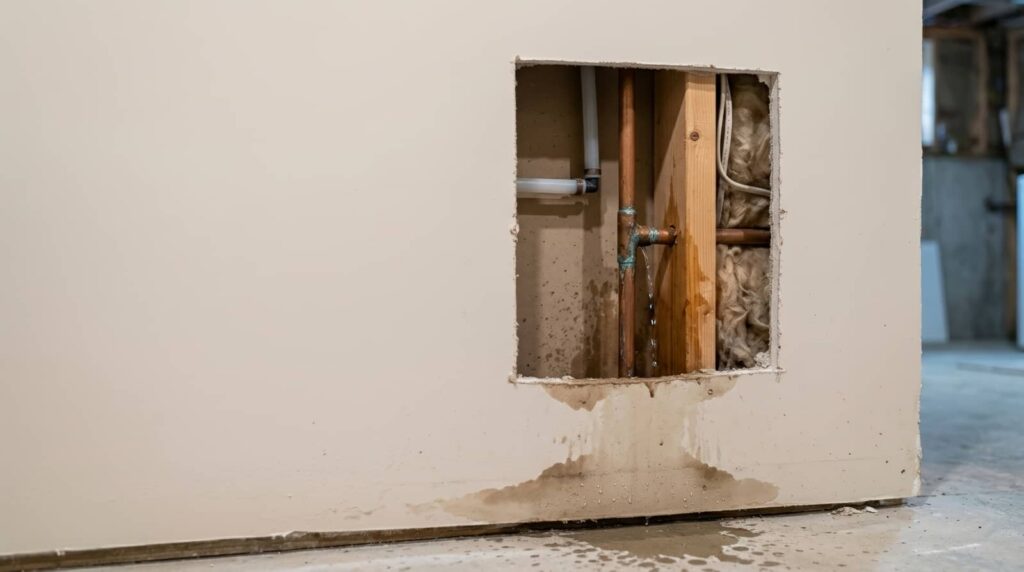
Pipe leaks hide behind walls when water soaks wall insulation, then travels along studs or drywall before showing stains. You’ll need leak detection tools to pinpoint hidden moisture quickly and protect your home.
What Signs Show Hidden Pipe Damage?
You’ll notice hidden leaks through water stains, musty odors, peeling paint, warped floors, and rising bills. Moisture detection confirms damage early, preventing structural issues and helping you feel confident your home’s protected and your concerns belong.
Can Pipe Damage Affect Foundation Stability?
Yes—pipe damage can quietly erode your home’s backbone like a slow tide. You can lose foundation integrity, and structural risks rise fast. With prompt repairs, you’ll protect your space and belong securely.
How Long Does Pipe Damage Cleanup Take?
Pipe damage cleanup usually takes a few hours to several days, depending on severity. You’ll get faster results with thorough inspection methods, because they help you pinpoint hidden moisture, speed cleanup duration, and protect your property.
Do Experts Repair Pipes After Cleanup?
Yes, experts often repair pipes after cleanup. You’ll get pipe repair and plumbing maintenance that restore flow and prevent repeat damage. It’s like fixing a leaky bridge before traffic returns, keeping your system reliable and secure.
Wrap-Up
When pipe damage strikes, you’re not just facing a mess—you’re facing contamination, moisture, and hidden structural risk. That’s why you should hire cleanup experts instead of trying to handle it alone. They move fast, contain spread, remove damaged materials, dry affected areas, and sanitize with precision. DIY may seem cheaper, but it often costs more in repairs and health hazards. When every minute matters, call the pros and protect your property, safety, and peace of mind.
Recent Posts
Crawl Space Standing Water Assessment Guide
If you’ve spotted standing water in your crawl space, you need to identify the source
How to Assess Crawl Space Standing Water
If you notice standing water in your crawl space, you need to identify where it’s
5 Tips for Overflow Water Damage Inspection
When you face overflow water damage, you need to move fast and inspect methodically. First,