
Contents
Just as a shipwrecked sailor must act quickly to survive, you need to respond swiftly after flooding to prevent mold from taking hold in your home. The window for effective mold prevention is narrow, and every moment counts. By focusing on essential steps such as removing excess water and ensuring thorough drying, you can safeguard your living environment. But what specific measures should you take to secure long-term protection against mold growth?
Key Takeaways
- Act quickly to remove excess water using pumps, wet vacuums, and towels to minimize mold growth.
- Thoroughly dry affected areas with fans and dehumidifiers to prevent moisture retention.
- Use mold-resistant materials during restoration to inhibit future mold growth.
- Maintain proper ventilation by opening windows and utilizing dehumidifiers in damp spaces.
- Regularly monitor for signs of mold, including visible spots and musty odors, especially in vulnerable areas.
Act Quickly to Remove Excess Water
Act quickly to remove excess water after flooding to minimize mold growth.
Employ effective water removal techniques, such as using pumps, wet vacuums, and towels, to extract water from floors and furniture. These methods are vital in an emergency response situation, preventing prolonged exposure to moisture that encourages mold development.
Effective water removal techniques like pumps and wet vacuums are essential to prevent mold growth after flooding.
Make certain to prioritize areas that are most vulnerable, like basements and bathrooms. If possible, enlist the help of professionals who specialize in water removal; they can expedite the process and ensure thoroughness.
The sooner you act, the more you protect your living environment and your health.
Dry Out Affected Areas Thoroughly
Once you’ve removed excess water, it’s crucial to dry out affected areas thoroughly to prevent mold growth. Effective water extraction is just the beginning; you need to make certain that all moisture is eliminated.
Use fans and dehumidifiers to improve air circulation and reduce humidity levels. Open windows to let fresh air in, creating a cross-breeze that aids in drying.
Pay special attention to hidden spaces like behind walls or under flooring, as these areas can retain moisture, leading to mold problems later. Consider using moisture meters to monitor levels and confirm that spaces are adequately dried.
Use Mold-Resistant Products
Using mold-resistant products can greatly reduce the risk of mold growth in your home after flooding. When you choose mold-resistant materials for your repairs, you’re investing in long-term protection.
Look for options like mold-resistant drywall, which contains additives that inhibit mold growth. Additionally, applying mold-resistant paints on walls and ceilings adds another layer of defense. These paints help prevent mold and enhance the aesthetic appeal of your space.
It’s essential to prioritize these products in your restoration efforts, as they can considerably lower moisture retention and create an environment less conducive to mold. By making these smart choices, you foster a healthier living space for yourself and your loved ones, ensuring everyone feels safe and comfortable at home.
Maintain Proper Ventilation
To effectively combat mold growth after flooding, maintaining proper ventilation is essential. You need to focus on airflow management to ensure that damp air doesn’t linger in your home.
Open windows and use fans to promote cross-ventilation, allowing fresh air to circulate and replace the moist, stale air. Additionally, consider using dehumidifiers to enhance humidity control, especially in areas prone to dampness, like basements and bathrooms.
By actively managing airflow and reducing humidity levels, you create an environment that’s less conducive to mold growth. Regularly check vents and exhaust fans to confirm they’re functioning properly.
Monitor for Signs of Mold Growth
After ensuring proper ventilation, it’s essential to monitor for signs of mold growth in your home.
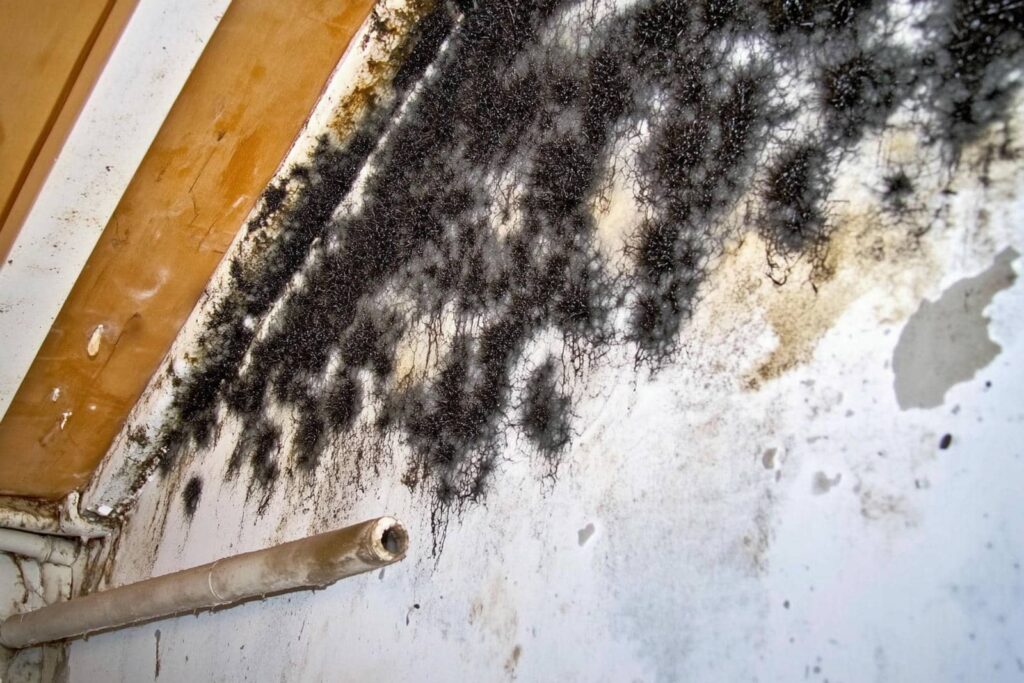
Regular mold inspections can help you identify any issues early on. Look for visible mold spots, musty odors, or water stains that indicate moisture presence.
Pay special attention to areas prone to dampness, like basements and bathrooms. Utilize moisture detection tools to measure humidity levels, aiming for a range between 30-60%.
If you find high levels of moisture, take immediate action to dry the area. Remember, mold can grow within 24-48 hours after flooding, so being proactive is key.
Frequently Asked Questions
How Long Does It Take for Mold to Develop After Flooding?
Mold can start developing within 24 to 48 hours after flooding, so you should act quickly. Following flood recovery tips, like drying out your space, can greatly impact the mold growth timeline.
Can I Use Bleach to Remove Mold?
Using bleach on mold can feel like throwing water on a fire; it might not reach all mold types effectively. While it helps on non-porous surfaces, consider alternatives for deeper, persistent infestations.
What Are the Health Risks Associated With Mold Exposure?
Mold exposure can lead to various health risks, including mold symptoms like respiratory issues and allergic reactions. You might experience sneezing, coughing, or skin irritation, making it essential to address mold promptly for your well-being.
Should I Hire a Professional for Mold Remediation?
If mold’s a silent invader in your home, hiring a professional ensures thorough inspection and effective removal. While remediation costs can vary, it’s often worth peace of mind and a healthier living environment.
How Can I Prevent Mold in Future Floods?
To prevent mold in future floods, install flood barriers around your property and maintain humidity control indoors. Regularly check for leaks and ensure proper ventilation, creating an environment that effectively discourages mold growth.
Final Thoughts
By acting swiftly after a flood, you can stand as a guardian against the creeping shadows of mold. Just as a lighthouse guides ships away from perilous rocks, your proactive measures—removing water, drying spaces, and using mold-resistant materials—illuminate the path to a healthy home. Keep vigilant, like a watchful sentinel, monitoring for signs of mold. With these strategies, you’ll cultivate a safe haven, ensuring that the waters of adversity don’t drown your living environment in decay.
Recent Posts
What Are Top Tips for Water Removal and Prevention?
Effective water removal and prevention strategies are essential to protect your property from costly damage.
Sewage Water Removal and Prevention Strategies
Sewage water contamination often goes unnoticed until it becomes a significant health risk. Understanding the
Sewage Water Removal and Prevention Guide
Sewage water contamination poses significant health risks and can damage your property if not addressed