
Contents
After flooding, it’s essential to act swiftly to prevent mold growth. Start by evaluating the extent of the water damage, as understanding the scope will guide your next steps. Removing standing water is critical, but it doesn’t end there. Drying the affected areas thoroughly is just as important. What you do next in mold prevention could make all the difference in keeping your home mold-free.
Key Takeaways
- Assess and document water damage promptly to identify affected areas and prevent mold proliferation.
- Remove standing water quickly using pumps or vacuums to minimize moisture and mold growth risks.
- Clean and disinfect surfaces thoroughly with bleach or disinfectants, focusing on high-touch areas.
- Monitor indoor humidity levels, keeping them between 30% and 60% to deter mold development.
- Conduct regular visual inspections for signs of mold, including discoloration and musty odors, to catch issues early.
Assess the Extent of Water Damage
After a flood, it’s vital to assess the extent of water damage to prevent mold growth effectively. Start with a thorough water damage assessment, examining all affected areas, including walls, floors, and ceilings. Look for discoloration, warping, or peeling paint, as these signs indicate moisture intrusion.
Next, conduct a structural integrity evaluation to ensure your home’s safety. Check for compromised beams, joists, and foundations. If you notice any structural issues, it’s important to consult a professional.
Documenting your findings will help in cleanup efforts and assist in insurance claims. Remember, timely and precise assessments can greatly reduce the risk of mold proliferation, safeguarding both your home and your peace of mind.
Remove Standing Water Quickly
Once you’ve assessed the extent of water damage, it’s time to act quickly to remove standing water. This step is vital for successful flood recovery and prevents mold growth.
Start by using a submersible pump for effective water extraction from the affected areas. If the water level is low, wet/dry vacuums can be helpful. It’s important to verify you’re wearing protective gear, as floodwater can contain harmful contaminants.
For larger areas, consider enlisting professional services that specialize in water extraction. The sooner you remove standing water, the less chance you have of mold taking root.
Dry Out the Affected Areas
To effectively prevent mold growth, you must dry out the affected areas as soon as possible. Mold thrives in damp environments, so prompt action is essential. Start by removing any remaining water and moisture.
Use Dehumidifiers and Fans
Using dehumidifiers and fans is essential for speeding up the drying process in flood-affected areas. By reducing humidity levels, dehumidifiers help to limit the growth of mold spores, which thrive in damp environments.
Place these devices strategically to maximize their effectiveness. Fans, on the other hand, enhance air circulation, helping to disperse moisture-laden air and promote faster evaporation. Together, they create a balanced environment that discourages mold growth.
Ensure that you run both continuously for several days, monitoring the humidity levels to ensure they remain low. This proactive approach aids in drying out spaces and fosters a healthier living environment, allowing you and your loved ones to return to normalcy with confidence.
Clean and Disinfect Surfaces
After addressing humidity levels with dehumidifiers and fans, the next step is to clean and disinfect surfaces thoroughly.
Start by removing any debris and visible dirt. Use effective cleaning solutions, such as bleach or commercially available disinfectants, to eliminate remaining contaminants.
Focus on high-touch areas like doorknobs, countertops, and appliances, ensuring you follow manufacturer instructions for ideal results.
When possible, opt for mold-resistant products during your cleaning process; they can provide an additional layer of protection against mold growth.
Don’t forget to rinse surfaces with clean water after applying disinfectants to prevent residue build-up.
By committing to this thorough cleaning routine, you’re taking significant steps toward a mold-free environment.
Your efforts now will pay off in the long run.
Inspect and Repair Plumbing Issues
After flooding, it’s essential to inspect your plumbing for any leaks that may have developed.
Addressing these issues promptly can prevent further water damage and mold growth.
Additionally, replacing damaged fixtures ensures your plumbing system functions effectively and minimizes future risks.
Identify Leaks Promptly
To prevent mold growth after flooding, it’s crucial to identify leaks promptly by inspecting and repairing any plumbing issues.
Start with thorough leak detection. Check your pipes, faucets, and appliances for any signs of water damage or moisture. Remember, even small leaks can lead to substantial problems if left unaddressed.
Regular plumbing maintenance is key—schedule routine checks to ensure everything functions properly. Don’t wait for water stains or dampness to appear; proactive measures can save you from costly repairs and mold infestations.
If you find a leak, tackle it immediately. By being vigilant and responsive, you create a safer, healthier home environment for yourself and your loved ones, fostering a sense of belonging and comfort in your space.
Replace Damaged Fixtures
Replacing damaged fixtures is essential in the aftermath of flooding to prevent mold and ensure your plumbing system functions efficiently.
Start by inspecting all fixtures, including sinks, toilets, and faucets, for any signs of damage. If you find corroded or cracked fixture materials, it’s critical to replace them promptly.
Using high-quality materials during fixture installation can enhance durability and reduce future risks. Make certain that new fixtures are properly sealed and installed to prevent leaks, which can lead to moisture accumulation.
Don’t hesitate to consult a professional if you’re unsure about the installation process; their expertise can save you time and prevent further issues.
Remove Damaged Materials
Removing damaged materials is essential in preventing mold growth after flooding. When waterlogged items sit, they create an ideal environment for mold spores, which can multiply rapidly.
Start by evaluating the damage; any porous materials, like drywall or carpets, should be removed immediately. Use proper remediation techniques, including wearing protective gear, to handle contaminated items safely.
It’s not just about removing visible damage; unseen materials can harbor mold growth, so be thorough. If structural elements like beams are compromised, consult a professional.
Monitor Humidity Levels
To effectively prevent mold growth after flooding, you need to monitor humidity levels closely.
The ideal humidity range for indoor environments is between 30% and 60%.
Using hygrometers regularly will help you maintain this range and identify any potential moisture issues before they escalate.
Ideal Humidity Range
While you might be focused on cleaning up after a flood, monitoring humidity levels is essential for mold prevention. Maintaining ideal humidity conditions can make a significant difference in your home’s health. Aim for a humidity level between 30% and 60%.
Use Hygrometers Regularly
Monitoring humidity levels is essential for mold prevention after flooding, and using hygrometers regularly can help you achieve this.
By investing in a hygrometer, you can accurately measure the moisture in your environment, ensuring it stays within the ideal range. Consistent humidity monitoring allows you to quickly identify any spikes that could encourage mold growth.
It’s important to check the readings multiple times a day, especially in areas prone to dampness. If your hygrometer indicates humidity levels above 60%, take action by using dehumidifiers or improving ventilation.
Seal and Insulate Vulnerable Areas
As you work to mitigate mold growth after flooding, sealing and insulating vulnerable areas of your home becomes essential. Implementing effective caulking techniques helps to block moisture from entering through gaps and cracks. Focus on areas like windows, doors, and pipes. Choose insulation materials wisely; fiberglass and foam can provide an excellent barrier against humidity.
Regularly Check for Signs of Mold
Regularly checking for signs of mold is essential after flooding.
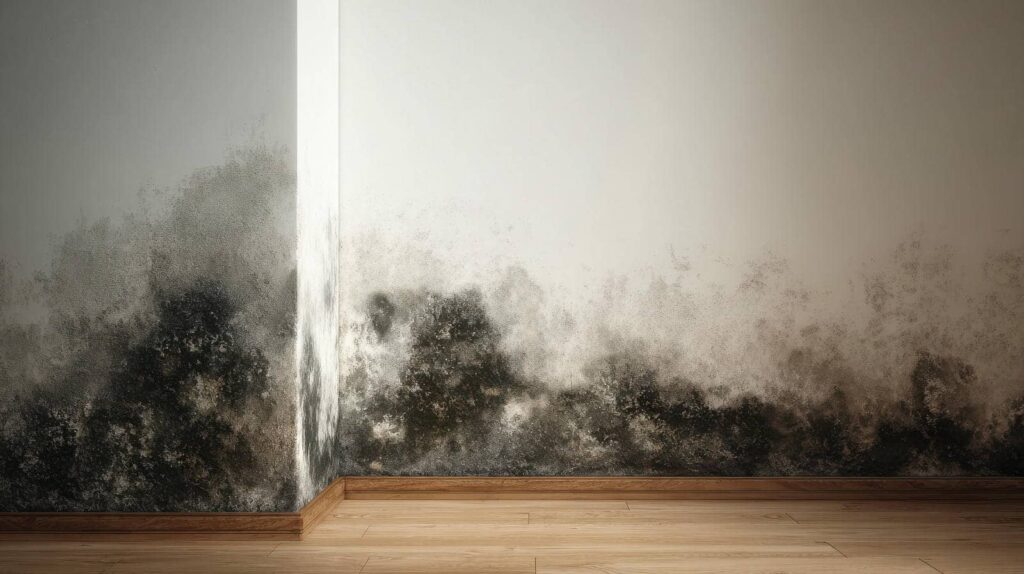
Use visual inspection techniques to identify any discoloration or growth, and don’t forget to smell for musty odors, which can indicate hidden mold.
Visual Inspection Techniques
While you might think your home is safe after a flood, it’s crucial to conduct regular visual inspections for signs of mold. Different mold types thrive in damp conditions, so being proactive can save you from bigger issues. Use inspection tools like flashlights and moisture meters to check hidden areas. Look in corners, behind appliances, and around windows for discoloration or unusual growths.
Regular checks help you maintain a healthy environment for you and your loved ones.
Smell for Musty Odors
Have you noticed a lingering musty odor in your home? This scent often indicates mold presence, making musty odor detection an essential step in mold prevention after flooding.
Regularly check areas with high humidity or water exposure, such as basements and bathrooms. When performing mold scent identification, pay attention to unusual smells that persist despite cleaning efforts.
Mold thrives in damp conditions, so even a faint odor can signify a larger issue. Trust your instincts; if something smells off, investigate further.
You and your loved ones deserve a healthy living environment, so don’t ignore those warning signs. By actively addressing musty odors, you can protect your home and foster a sense of belonging in a safe, clean space.
Frequently Asked Questions
How Can I Tell if Mold Is Hidden Inside Walls?
To determine if mold is hidden inside walls, use mold detection techniques like visual inspections and air quality tests. Employ moisture assessment tools such as hygrometers, helping you identify damp areas that may harbor mold growth.
What Types of Mold Are Most Common After Flooding?
After flooding, you’ll encounter common mold types like Stachybotrys, Aspergillus, and Penicillium. These molds thrive in damp environments, making the flooding aftermath a prime condition for their growth, increasing the risk to your health.
Are There Specific Cleaning Products That Kill Mold Effectively?
Think of mold like an unwanted guest; you need effective solutions to kick it out. For mold cleaning, products with bleach, hydrogen peroxide, or vinegar work wonders. Always follow instructions for safety and best results.
When Should I Call a Professional for Mold Remediation?
You should call a professional for mold remediation when you notice mold inspection signs, like persistent odors or visible growth. Their expert services ensure thorough removal, preventing further health risks and property damage. Don’t hesitate to reach out!
Can I Prevent Mold Growth Without Using Chemicals?
Yes, you can prevent mold growth without chemicals by focusing on moisture control. Utilize natural remedies like vinegar or baking soda, and ensure proper ventilation to reduce humidity and inhibit mold development in your space.
Review
Acting swiftly and methodically after flooding is your best defense against mold growth. Think of it like catching a cold early; the sooner you address the problem, the less likely it is to escalate. By evaluating damage, thoroughly drying out affected areas, and maintaining proper humidity levels, you can greatly reduce the risk of mold taking hold. Regular monitoring and proactive measures will keep your space safe and healthy, ensuring you avoid future headaches.
Recent Posts
3 Steps for Your Water Damage Insurance Claim
Steering through the murky waters of a water damage insurance claim can feel like an
3 Best Steps for Water Damage Insurance Claims
When dealing with water damage, it’s essential to approach your insurance claim methodically. You need
Streamlined Steps for Water Damage Claims
When dealing with water damage claims, it’s essential to approach the process methodically. You need