
Contents
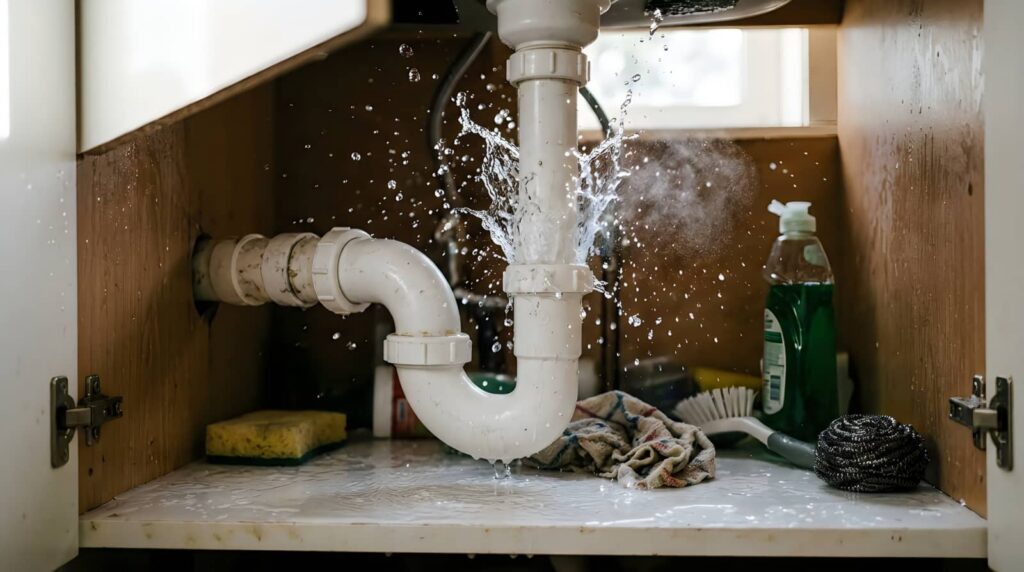
A burst pipe can release hundreds of gallons in a day, and you can’t afford to wait. You need immediate restoration because water moves fast, soaks framing, and weakens finishes before you notice the full extent. If you delay, corrosion, mold, and hidden structural damage can escalate quietly. The next steps determine whether you contain the loss or face a far more complex repair.
Key Takeaways
- Broken pipes release water quickly, causing rapid damage to floors, walls, and structural materials.
- Immediate restoration stops the leak, limits spreading moisture, and reduces cleanup and repair costs.
- Delayed action allows hidden water to damage framing, insulation, and electrical systems.
- Fast response helps prevent mold growth, corrosion, and secondary plumbing failures.
- Prompt restoration restores safety, stability, and confidence in the building’s condition.
Why Broken Pipes Need Fast Restoration
When a pipe breaks, you need to restore it fast because water can spread through walls, floors, and insulation within minutes, driving up damage and repair costs.
You can’t wait on a pipe burst; you need an urgent response that shuts off flow, isolates the affected line, and gets your system back under control.
Fast restoration helps you protect structural materials, reduce cleanup labor, and keep your home or business safe for the people who depend on it.
You’re not just fixing a leak—you’re restoring stability, confidence, and continuity.
When you act immediately, you stay ahead of corrosion, pressure loss, and secondary failures.
That’s how you keep your space functional, your team supported, and your repair scope limited.
How Broken Pipe Water Damage Spreads
Once a pipe fails, water doesn’t stay localized for long. When you face a pipe burst, gravity pulls water through flooring seams, wall cavities, and subfloor gaps, and capillary action wicks moisture into drywall, insulation, and trim.
You’ll see the water spread across materials with different absorption rates, so one wet spot can signal a much larger affected area. HVAC airflow and foot traffic can push moisture farther, while concealed piping routes can guide it behind cabinets and under baseboards.
You’re not dealing with a single puddle; you’re managing a moving moisture path that can outpace visible signs. If you act quickly, you protect your space, preserve your home’s structure, and stay aligned with a crew that knows how to stop spread fast.
Hidden Risks of Waiting Too Long
Delaying restoration after a pipe failure lets hidden moisture keep working behind the scenes.
You may think the area feels dry, but trapped water can still damage framing, insulation, and finishes.
These hidden dangers grow fast, and every hour increases long term consequences for your property and your crew.
Acting now helps you protect the space you care about and stay aligned with others who value a safe, stable home.
- Wood swells and weakens
- Drywall loses structural integrity
- Mold can begin in concealed areas
- Electrical systems face corrosion risk
- Repairs get costlier the longer you wait
What 24/7 Restoration Includes
A 24/7 restoration response starts with immediate dispatch, rapid water extraction, and on-site damage assessment so technicians can stop the spread before secondary damage sets in.
You get emergency services that isolate the source, document conditions, and stabilize the space fast. Crews then deploy moisture meters, thermal imaging, and targeted drying equipment to track hidden saturation in floors, walls, and framing.
They use proven restoration techniques to remove standing water, control humidity, and protect salvageable materials. You stay informed at each step, so you know what’s happening and what comes next.
This isn’t just cleanup; it’s a coordinated response that helps your property, your routine, and your peace of mind recover with precision, speed, and confidence.
When Sewage Cleanup Is Part Of Repair
When a broken pipe releases contaminated water, sewage cleanup becomes part of the repair because you can’t safely restore the structure until the hazard is removed.
You need immediate containment, disinfection, and removal to protect sewage safety and keep your team aligned around a clean restart. Professional cleanup methods target porous materials, hidden residue, and airborne contamination before reconstruction begins.
- Isolate the affected zone fast
- Extract waste and standing water
- Sanitize surfaces and framing
- Remove unsalvageable materials
- Verify safe conditions before rebuild
When you address contamination first, you reduce delays, prevent repeat damage, and make sure everyone on site can move forward with confidence.
Signs You Need Emergency Water Damage Help
If you see visible water stains spreading across walls, ceilings, or flooring, you need emergency water damage help now.
Sudden mold growth is another critical warning sign, because it can indicate hidden moisture and active structural damage.
Act fast, since delayed response increases repair scope and contamination risk.
Visible Water Stains
Rust-colored rings on your ceiling or walls signal moisture that’s already moved beyond the pipe and into the structure. You need immediate water detection because these visible signs mean the leak’s been active long enough to saturate drywall, framing, or insulation.
Act fast to protect your space and keep your home’s systems stable.
- Dark halos that expand after drying
- Paint that bubbles or peels
- Baseboards that swell or separate
- Stains near plumbing, vents, or corners
- Damp patches that return after wiping
If you’re seeing these marks, you’re not dealing with a cosmetic issue—you’re facing an active intrusion.
Call for emergency restoration now, because the longer you wait, the more material you’ll lose and the harder it gets to bring your place back to normal.
Sudden Mold Growth
Even a short delay can let hidden moisture trigger sudden mold growth behind walls, under flooring, or inside insulation. You may notice musty odor, dark spotting, or fuzzy patches within 24 to 48 hours after a pipe break. That’s your signal to act fast.
Mold spreads when humidity stays high and materials remain damp, so you need immediate moisture control, not just surface cleaning. Shut off water, ventilate the area, and document affected rooms.
Then call emergency restoration to extract water, dry structural cavities, and inspect for concealed colonies. This protects your home, your health, and your sense of security.
Strong mold prevention starts with rapid drying, antimicrobial treatment, and removing contaminated materials before growth becomes widespread and costly.
Why Local Broken Pipe Restoration Saves More Damage
Local broken pipe restoration gets technicians to your site faster, so you can stop water intrusion before it spreads through framing, drywall, and flooring.
You’ll limit secondary damage by shutting down the source quickly and starting extraction, drying, and repairs sooner.
That speed also cuts labor, material replacement, and total restoration costs.
Faster Damage Control
When a pipe fails, every minute of delay lets water spread into walls, flooring, insulation, and structural cavities, so rapid local restoration is critical to limit secondary damage.
You need an emergency response that reaches your site fast, isolates the source, and stabilizes affected zones before moisture migrates farther. Local crews know regional building layouts, materials, and access points, so they can act with precision and keep your property within a controlled damage envelope.
Their proactive measures, including extraction, containment, and targeted drying, protect your structure and your peace of mind.
- Fast arrival
- Immediate isolation
- Moisture mapping
- Targeted extraction
- Controlled drying
Lower Repair Costs
Fast response does more than limit spread—it also keeps repair bills from escalating. When you act immediately, you shrink the affected zone, reduce demolition, and avoid secondary failures in drywall, flooring, framing, and insulation.
You also cut labor hours because technicians can isolate the break before moisture migrates into hidden cavities. That means you get cost effective solutions instead of repeated patchwork. Local restoration teams move quickly, so you’re not paying for long delays, emergency replacements, or mold remediation triggered by standing water.
You protect your budget and your property at the same time. With timely inspections and preventative maintenance, you keep small pipe defects from turning into system-wide repairs.
You’re not just fixing damage—you’re preserving stability, savings, and confidence.
Frequently Asked Questions
How Can I Tell if a Pipe Is Leaking Behind a Wall?
You’ll spot a hidden leak through damp patches, peeling paint, musty odors, or unexpected meter movement. Use leak detection and wall inspection quickly; don’t ignore soft drywall, staining, or bubbling wallpaper.
What Should I Shut off First After a Pipe Bursts?
Shut off the main water valve first; every minute can release gallons. Then cut power near wet areas and call emergency services. You’ll protect your home, reduce damage, and speed pipe repair fast.
Can I Stay Home After a Broken Pipe Floods My House?
You shouldn’t stay home if flood damage is active or safety concerns exist. You’ll need to shut off utilities, inspect for electrical hazards, and leave until you’ve confirmed the structure’s safe and dry.
How Do Restoration Teams Dry Flooring and Insulation?
You’ll see a swarm of equipment: technicians use moisture detection to map wet areas, then apply drying techniques like dehumidifiers, air movers, and targeted removal. You stay informed, protected, and included throughout.
Will My Insurance Cover Broken Pipe Restoration Costs?
You may have insurance coverage for broken pipe restoration costs, depending on your policy, cause, and reporting speed. You’ll need to document damage, limit loss, and contact your insurer fast to protect your claim.
Conclusion
When a pipe breaks, you can’t wait. Water moves fast, saturates materials, and turns a small failure into a costly crisis. Shut off the source, isolate the line, and call for 24/7 restoration right away to limit structural damage, corrosion, and sewage contamination. Quick action protects your property, reduces cleanup, and restores safe use sooner. In this digital age, delay is a relic you can’t afford when every minute worsens the loss.
Recent Posts
How to Clean Up Pipe Damage Fast
When a pipe breaks, you need to act fast to limit structural damage and mold
Why Hire Pipe Damage Cleanup Experts?
You need fast cleanup, careful cleanup, and expert cleanup when pipe damage hits your home.
What Pipe Cleanup Experts Do Nearby
When a sewer line backs up in your basement after a heavy rain, nearby pipe