
Contents
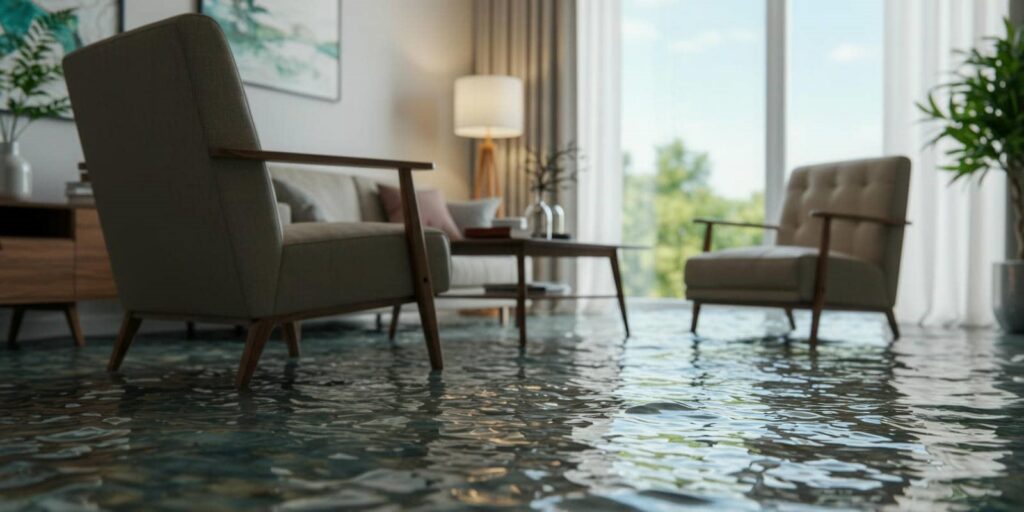
When your basement floods, the clock starts ticking. Standing water creates immediate health hazards, including bacteria and mold growth within a mere 48 hours. If you don’t act quickly, you risk your health and the structural integrity of your home. Emergency water extraction isn’t just a quick fix; it’s an essential step in safeguarding your property and ensuring a safe living environment. Understanding the process and equipment involved can make all the difference.
Key Takeaways
- Emergency water extraction prevents structural damage by reducing pressure on walls and foundations, safeguarding the overall integrity of the basement.
- Rapid response minimizes health risks from bacteria, toxins, and mold growth caused by stagnant water within 24 to 48 hours.
- Professional extraction ensures thorough drying and effective moisture control, preventing long-term issues like mold and respiratory problems.
- Immediate action protects property value by addressing water damage quickly, avoiding costly repairs and future complications.
- Quick water removal creates a safer environment, reducing the risk of electrical hazards and pest infestations associated with standing water.
The Impact of Flooding on Basements
When flooding occurs, your basement can quickly become a hazardous environment. Understanding flood causes, like heavy rainfall, broken pipes, or poor drainage, is essential to grasping your basement’s vulnerability.
Water intrusion threatens structural integrity and creates a breeding ground for mold and bacteria, posing serious health risks.
As a homeowner, you need to recognize that basements, often designed to be below ground level, are inherently susceptible to water damage. The longer standing water remains, the more extensive the damage becomes, leading to costly repairs and potential loss of personal belongings.
Acting swiftly is critical. Once you identify flooding, you must initiate emergency water extraction to mitigate damage and safeguard your home’s foundation.
Don’t underestimate the urgency; your basement’s vulnerability can escalate quickly, making immediate action imperative for protecting your space and your family’s well-being.
Immediate Risks Associated With Standing Water
Standing water in your basement poses immediate health hazards, such as the risk of bacteria and toxins that can affect you and your family.
Additionally, the structural integrity of your home is at stake, as prolonged exposure to water can weaken foundations and walls.
Without prompt action, mold growth can take hold quickly, leading to further complications and costly repairs.
Health Hazards Overview
Flooded basements pose multiple immediate health risks due to the presence of standing water.
When water lingers, it creates an ideal environment for bacteria proliferation, which can lead to serious health complications. You might be exposed to harmful pathogens, increasing your risk of infections and respiratory issues.
The stagnant water can also attract pests, further complicating health concerns. Mold growth is another significant risk, as it can quickly spread in damp environments, causing allergic reactions and exacerbating asthma.
It’s essential to act swiftly; delaying emergency water extraction can lead to more severe health hazards, affecting you and your family.
Prioritizing immediate action protects your home and ensures your community’s well-being.
Structural Damage Risks
The presence of standing water in your basement can rapidly lead to significant structural damage. When water accumulates, it exerts pressure on your walls and foundation, compromising their integrity. This pressure can result in cracks and even lead to wall failure.
You must act quickly; prolonged exposure to moisture undermines your home’s structural stability. Wet materials can warp, weaken, and become dangerous, posing risks not just to your foundation but to the overall safety of your living space.
Additionally, as the foundation’s integrity diminishes, repair costs will escalate, threatening your financial security. Swift emergency water extraction is essential to prevent these immediate risks and protect your home, ensuring you maintain a safe and secure environment for you and your loved ones.
Mold Growth Potential
When water lingers in your basement, it creates a prime environment for mold growth, posing immediate health risks. Mold can develop within 24 to 48 hours, leading to respiratory issues and allergic reactions.
To combat this, you must act swiftly with effective mold prevention strategies. Start by ensuring all standing water is extracted immediately. Implement moisture control techniques, such as using dehumidifiers and improving ventilation, to reduce humidity levels.
Regularly inspect your basement for leaks and water damage to keep mold at bay. By taking these proactive steps, you protect your home and safeguard the health of everyone who lives there.
Don’t wait—secure your space and foster a safe, mold-free environment today.
The Process of Emergency Water Extraction
Swift action is essential in the process of emergency water extraction to minimize damage and prevent mold growth. When you encounter flooding, your first step should be to initiate an emergency response. This involves evaluating the extent of the water intrusion and determining the appropriate water extraction methods.
Next, you’ll want to remove any standing water using pumps or vacuums, ensuring you’re targeting the most affected areas. Time is of the essence; the longer water sits, the more it damages your property and increases the risk of mold.
As you work, prioritize safety by disconnecting electricity and wearing protective gear.
Once the bulk of the water is removed, you’ll need to dry the area thoroughly, using fans and dehumidifiers to ensure moisture is eliminated.
Equipment Used for Effective Water Removal
When facing a flooded basement, having the right equipment for water removal is essential.
You’ll need powerful pumps for rapid extraction, along with dehumidifiers to control lingering moisture.
Specialized extraction tools can also make a significant difference in ensuring your space is thoroughly dried out.
Pumps for Rapid Extraction
Effective water removal from a flooded basement relies heavily on the right pumps for rapid extraction.
Submersible pumps are your best bet for achieving maximum extraction efficiency. These pumps operate underwater, allowing them to handle significant water volumes quickly and effectively.
When you face a flooding emergency, speed is vital; using submersible pumps can dramatically reduce water levels in a short time, minimizing damage to your property.
You’ll want to select a pump with a high gallon-per-minute rating to ensure swift water removal. Remember, every minute counts when you’re dealing with flooding.
Investing in the right equipment protects your home and fosters a sense of community as you join others who prioritize safeguarding their living spaces.
Dehumidifiers for Moisture Control
Once you’ve tackled the immediate water removal with pumps, the next step in flood recovery is controlling humidity levels.
Dehumidifiers are essential for effective moisture control, helping to prevent mold growth and structural damage. You’ll find various dehumidifier types, including refrigerant and desiccant models, each suited for different environments.
Refrigerant dehumidifiers work best in warmer spaces, while desiccant units excel in cooler, low-humidity conditions. Choosing the right type is critical, as it ensures ideal moisture extraction.
Set your dehumidifier to maintain humidity below 60% for best results. Regularly monitor its performance, and empty the reservoir to keep it running efficiently.
Taking these steps will help restore your basement safely and effectively, fostering a dry and healthy environment.
Specialized Extraction Tools
To achieve efficient water removal in flooded basements, specialized extraction tools are indispensable. You’ll need specialized equipment like submersible pumps and extractor vacuums that can handle large volumes of water quickly.
Using advanced techniques, these tools allow you to remove water swiftly, minimizing damage and preventing mold growth. High-powered pumps can draw out water from deep within the structure, while vacuums ensure that residual moisture is eliminated.
It’s essential to act fast; the longer water sits, the more extensive the damage becomes. Investing in these tools speeds up the extraction process while fostering a safer, healthier environment for you and your family.
Don’t compromise on quality when it comes to protecting your home.
Preventing Mold Growth After Water Damage
As moisture lingers in your flooded basement, the risk of mold growth escalates rapidly, making prompt action essential.
To protect your home and health, implement these mold prevention strategies immediately:
Remove Water: Use specialized extraction tools to eliminate standing water. The sooner, the better.
Increase Airflow: Open windows and utilize fans to enhance ventilation, reducing humidity levels.
Apply Dehumidifiers: Invest in dehumidifiers to actively control humidity. Aim for levels below 60%.
Inspect for Leaks: Check plumbing and walls for leaks and repair them to prevent further moisture intrusion.
Long-Term Consequences of Delayed Water Extraction
Delaying water extraction in your basement can lead to severe long-term consequences that extend beyond immediate damage. The longer water sits, the more pronounced the long-term effects of water damage become.
Structural integrity is compromised, potentially leading to costly repairs. You might notice warped walls, weakened foundations, and even electrical hazards arising from prolonged moisture exposure.
Moreover, stagnant water creates an ideal environment for mold growth, which can trigger health issues for you and your family. This can also lead to decreased property value, making it harder for you to sell or refinance your home later on.
It’s crucial to recognize that every moment counts; the sooner you act, the more you can mitigate these dire consequences. By prioritizing swift water extraction, you’re not just protecting your space; you’re safeguarding your family’s health and your home’s future.
Don’t wait—take action now to prevent irreversible damage.
Professional vs. DIY Water Extraction
When facing a flooded basement, deciding between professional water extraction services and a DIY approach can significantly impact the outcome.
While DIY techniques may seem cost-effective, they often lack the expertise and tools necessary for efficient recovery. Here are some key considerations:
Expertise: Professionals have specialized knowledge in water damage assessment and extraction.
Equipment: Professional services utilize industrial-grade pumps and dehumidifiers that outperform standard household tools.
Time Efficiency: Professionals can complete the extraction process much faster, minimizing damage.
Long-term Solutions: They address underlying issues like mold prevention, which DIY efforts might overlook.
Ultimately, while DIY techniques can be tempting, investing in professional services often yields better results and peace of mind, ensuring your home’s safety and integrity.
Don’t underestimate the importance of choosing the right method to protect your space and well-being.
Importance of Timely Assistance in Water Damage Scenarios
Timely assistance is essential in water damage scenarios because every minute counts in minimizing destruction. When water infiltrates your basement, a quick, effective response isn’t just beneficial; it’s critical. You need to act swiftly to prevent further damage and avoid costly repairs.
A timely response can greatly enhance damage mitigation, allowing professionals to extract water efficiently and reduce the risk of mold growth. Waiting too long can lead to structural issues and health hazards, which become increasingly difficult and expensive to rectify.
By prioritizing immediate assistance, you’re not just protecting your property; you’re safeguarding your family’s well-being. Moreover, enlisting trained experts ensures that the job is done right the first time. They possess the necessary tools and knowledge to address water damage effectively and prevent future issues.
Frequently Asked Questions
How Can I Tell if My Basement Is at Risk of Flooding?
Check for water stains, cracks, or mold in your basement. Confirm proper basement drainage and implement flood prevention measures like sump pumps. Regularly inspect gutters and downspouts to avoid potential flooding risks in your home.
What Insurance Coverage Is Available for Basement Flooding?
Flood insurance features flexible coverage limits, protecting your property from potential basement flooding. It’s essential you assess your policy, ensuring it meets your needs. Don’t delay; secure your peace of mind before disaster strikes.
Are There Any Health Risks From Floodwaters?
Yes, floodwaters pose serious health risks. They often carry waterborne pathogens that can lead to illness. Additionally, stagnant water fosters mold growth, which can exacerbate respiratory issues and compromise indoor air quality. Act quickly to protect yourself.
How Can I Prepare My Basement Before a Flood Occurs?
To prepare your basement, install effective basement drainage, set up flood barriers, elevate electrical systems, and secure valuable items. Taking these steps now helps protect your space and gives you peace of mind during potential floods.
What Should I Do Immediately After Discovering Water in My Basement?
Immediately assess the situation. Shut off power to prevent electrical hazards, then initiate water removal using pumps or wet vacs. Document damage for insurance, and call professionals for further assistance to ensure thorough cleanup.
Wrap-Up
In the grand scheme of homeownership, who knew that a little standing water could turn your cozy basement into a breeding ground for bacteria and mold? While you might think you can wait it out, those few extra hours could lead to costly repairs and health risks. So, unless you’re keen on transforming your home into a science experiment, act fast. Emergency water extraction isn’t just a choice; it’s your best defense against the unexpected chaos of flooding.
Recent Posts
Why Hire Pipe Damage Cleanup Experts?
You need fast cleanup, careful cleanup, and expert cleanup when pipe damage hits your home.
What Pipe Cleanup Experts Do Nearby
When a sewer line backs up in your basement after a heavy rain, nearby pipe
5 Best Water Damage Repair Services
When you face water damage, you need a repair service that responds fast, uses the