
Contents
When you experience water damage in your home, understanding the importance of mold inspection becomes critical. Mold can develop quickly in damp environments, complicating your insurance claim process. Insurers often require documented evidence of mold presence to assess your claim accurately. A thorough inspection identifies hidden issues that could affect your compensation. Ignoring this step may lead to denial or reduced payouts, raising questions about the potential impact on your financial recovery.
Key Takeaways
- Mold inspection provides essential documentation for insurance claims, proving the presence and extent of mold damage after water incidents.
- A professional mold report can prevent claim denials by offering evidence that supports the validity of the claim.
- Early detection through inspections helps identify hidden mold issues, which can lead to faster remediation and reduced overall costs.
- Insurers assess mold growth for long-term exposure issues; thorough inspections help demonstrate proactive property management.
- Understanding mold liability and policy specifics is crucial to avoid unexpected financial burdens during the claims process.
Understanding Water Damage and Its Impact
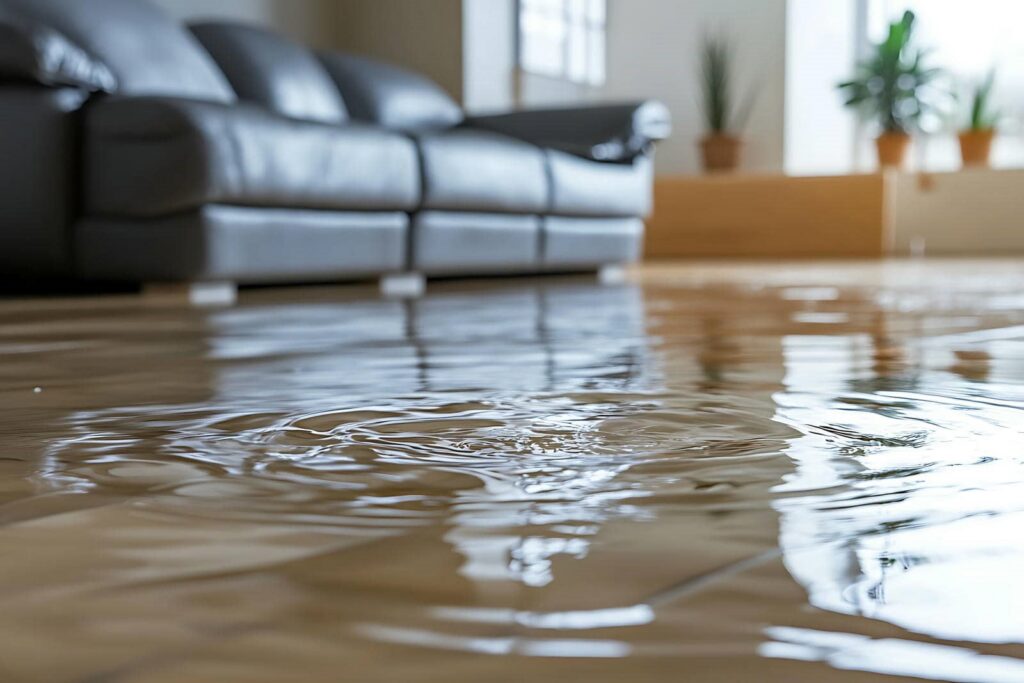
When water infiltrates your property, it can lead to significant structural and health issues if not addressed promptly. Understanding the different water damage types is essential for effective mitigation.
You may encounter clean water damage from burst pipes, gray water from appliances, or black water from sewage backups. Each type presents unique challenges and requires specific remediation strategies.
Identifying moisture sources is vital. Whether it’s a leaky roof, poor drainage, or plumbing failures, knowing where the water comes from helps you prevent future incidents.
Prolonged exposure to moisture can weaken structural integrity and create ideal conditions for mold growth, which further complicates recovery efforts.
The Role of Mold in Water Damage Claims
Mold plays a critical role in water damage claims, as its presence can greatly impact both the extent of damage and the compensation you might receive. Different mold types, such as black mold or toxic mold, can complicate your claim and lead to higher remediation costs.
Insurance adjusters often look for mold growth when evaluating the overall damage, as it signifies long-term exposure to moisture. If mold is discovered, you may face additional scrutiny regarding your claim, especially if mold prevention measures were overlooked.
Implementing proper mold prevention techniques, like controlling humidity and ensuring adequate ventilation, can demonstrate that you took reasonable steps to protect your property. This proactive approach can influence your insurer’s view on your claim, potentially leading to a more favorable outcome.
Understanding the role of mold in your situation is essential for maneuvering the complexities of water damage claims effectively.
Identifying Mold Growth Early
How can you spot mold growth early to prevent further damage? Early detection is crucial in safeguarding your home and health.
Start by inspecting areas prone to moisture, like bathrooms, kitchens, and basements. Look for visible signs of mold, such as black, green, or white patches, and check for water stains or dampness on walls and ceilings. Pay attention to musty odors, which often signal hidden mold.
Additionally, monitor indoor humidity levels; ideally, they should remain between 30% and 60%. If you notice any water leaks, address them immediately to reduce the risk of mold proliferation.
Remember, mold can pose significant health risks, including respiratory issues and allergic reactions. By being proactive and vigilant, you can mitigate potential health hazards and avoid costly repairs down the line.
Taking these steps ensures you’re part of a community that values safety and well-being in your living environment.
Legal Implications of Mold in Insurance Claims
Since water damage often leads to mold growth, understanding the legal implications surrounding mold in insurance claims is vital for homeowners.
Mold liability can greatly impact your insurance coverage, as many policies contain specific exclusions regarding mold damages. If you don’t address mold issues promptly, your insurer may argue that your negligence contributed to the problem, potentially reducing your claim’s value or even resulting in denial.
It’s essential to document mold presence and the steps you took for remediation. Insurance companies often require proof that you acted quickly to mitigate damages.
Failure to do so could result in legal repercussions or complications in your claim process. Additionally, if you live in an area prone to flooding or moisture, your insurer may have different coverage terms.
Being proactive in understanding your policy can save you from unexpected financial burdens related to mold issues in your home.
The Process of Mold Inspection
When dealing with potential mold issues in your home, the inspection process is essential for identifying and addressing the problem effectively. A thorough inspection begins with visual assessments, where you’ll look for signs of moisture and mold growth in areas prone to dampness.
Different mold types, such as black mold and aspergillus, require specific attention due to their health risks.
Next, advanced inspection techniques may include air sampling or surface testing to detect mold spores and mycotoxins. Professionals often use moisture meters to measure humidity levels, ensuring they identify hidden mold sources.
Once the inspection is complete, you’ll receive a detailed report outlining the findings and recommended actions.
Cost Considerations for Mold Inspections
When considering mold inspections, it’s crucial to understand the cost breakdown involved.
You’ll find that investing in a thorough inspection can lead to long-term savings by preventing more extensive damage.
Additionally, the implications of your insurance policy may influence whether these costs are covered.
Inspection Cost Breakdown
Understanding the cost breakdown for mold inspections is essential, especially if you’re dealing with water damage claims.
Typically, inspection costs can range from $300 to $1,000, depending on the property size and severity of the damage. The complexity of inspection techniques, such as air sampling and surface testing, can influence these prices.
Additionally, specialized inspection tools, like moisture meters and infrared cameras, add to the overall cost. You should also consider factors like the inspector’s experience and location, as these can vary greatly.
Ultimately, investing in a thorough mold inspection can provide peace of mind and help substantiate your water damage claims, ensuring you’re not left with hidden mold issues affecting your home and health.
Long-term Savings Potential
Opting for a mold inspection not only addresses immediate concerns but can also lead to significant long-term savings. By identifying mold growth early, you can avoid costly remediation efforts and property damage that may arise from neglecting this issue.
Investing in a thorough mold inspection is a smart long-term investment, as it helps you develop effective maintenance strategies to protect your property. Regular inspections can save you money by preventing extensive repairs and fostering a healthier living environment.
Additionally, addressing mold issues proactively can enhance your property’s value and appeal, making it a wise financial decision. Ultimately, investing in mold inspection today can yield substantial returns in the future, ensuring you safeguard your home and finances.
Insurance Policy Implications
While maneuvering through the complexities of insurance policies, it’s crucial to recognize how mold inspections can impact your coverage and costs. Many homeowners assume that their insurance coverage automatically includes mold damage, but policy exclusions often complicate this.
If you don’t conduct a thorough mold inspection immediately following water damage, your insurer may refuse to cover related claims, citing negligence. This can lead to significant out-of-pocket expenses. Investing in a mold inspection not only provides clarity on the extent of the damage but can also strengthen your claim.
Understanding your policy’s specifics regarding mold can save you from unexpected financial burdens, ensuring you’re protected when you need it most. Always consult your insurance agent for guidance on coverage details.
How Mold Inspection Affects Claim Outcomes
Since mold can greatly impact the integrity of your property and your health, thorough mold inspections play an essential role in water damage claims.
A detailed mold inspection can greatly influence your claim’s outcome by addressing critical factors:
Documenting Mold Growth: An inspection uncovers hidden mold, providing evidence that’s crucial for your claim.
Preventing Claim Denial: Insurers often deny claims when mold presence isn’t properly documented, so having a professional report can mitigate this risk.
Assessing Structural Damage: Inspections evaluate the extent of damage caused by mold, helping you understand potential repair costs.
Preventing Future Water Damage and Mold Issues
After verifying that your mold inspection is thorough and documented, taking proactive measures to prevent future water damage and mold issues becomes paramount.
Start by implementing effective moisture control techniques. Regularly inspect areas prone to dampness, such as basements, attics, and bathrooms. Use dehumidifiers to maintain indoor humidity levels below 60%, which discourages mold growth.
Incorporate mold prevention strategies like sealing cracks in walls and windows, verifying proper drainage away from your home, and regularly cleaning gutters.
Also, consider installing sump pumps in vulnerable areas to manage excess water.
Educate your family about the importance of reporting leaks immediately, as timely action can greatly reduce the risk of mold proliferation.
By adopting these strategies, you safeguard your living space and foster a healthy environment for everyone.
Taking these steps ensures your home remains a mold-free sanctuary, strengthening your sense of belonging and peace.
Frequently Asked Questions
How Long Does Mold Take to Develop After Water Damage?
Mold can develop within 24 to 48 hours after water damage, depending on various factors like humidity, temperature, and material type. Understanding this mold growth timeline helps you address potential issues quickly and effectively.
Can I Conduct My Own Mold Inspection?
You can conduct your own mold inspection, but DIY mold testing might leave you in the dark. Proper tools and knowledge are essential for accurate results, so consider professional help to ensure thoroughness and reliability.
What Are the Signs of Hidden Mold?
You’ll notice hidden mold through musty odors, water stains, or discoloration on walls. Mold symptoms like coughing, sneezing, or skin irritation may also indicate its presence, urging you to take action promptly for your health.
Will My Insurance Cover Mold Inspection Costs?
Your insurance might cover mold inspection costs, but it depends on your specific policy. Review your insurance documents for mold coverage details, and consult your agent to ensure you understand your options and protections.
How Often Should I Get a Mold Inspection?
You should schedule a mold inspection at least once a year, or more frequently if you notice moisture issues. Following mold prevention tips can help minimize risks, ensuring your home remains safe and healthy.
Conclusion
Investing in a mold inspection after water damage isn’t just about compliance; it’s about protecting your home and finances. You might think, “It’s just mold,” but hidden growth can lead to severe structural damage and health issues. By addressing mold early and thoroughly documenting its presence, you bolster your insurance claim, ensuring you’re not left facing unexpected costs. Don’t wait—act now to safeguard your space and peace of mind.
Recent Posts
3 Tips for Sewage Backup Water Damage Repair
When sewage backs up, you need to stop the flow fast, shut off the affected
Emergency Sewage Cleanup: How-To Guide
Sewage cleanup is both a routine task and a biohazard emergency. You need to stop
What Is Emergency Sewage Backup Cleanup?
If you’re dealing with an emergency sewage backup, you’re facing more than a mess—you’re confronting