
Contents
If your basement drain backs up after a heavy rain, you need Remove Pipe Backup services to act fast before the mess spreads. Professionals can stop the flow, clear standing water, and choose the right fix based on the blockage. A plunger, hot water, baking soda, or a wet-dry vac can help with minor clogs, but some backups require a drain snake or professional cleanup. The next step makes the biggest difference.
Key Takeaways
- Shut off the main water supply immediately to stop flooding and prevent further backup.
- Remove standing water safely with towels, a wet/dry vacuum, or a bucket, and keep people away from contaminated areas.
- Use a plunger or drain snake carefully to clear minor clogs without damaging pipes.
- Flush the drain with hot water or baking soda for light grease buildup, not solid blockages.
- Prevent future pipe backups by cleaning strainers, avoiding grease and wipes, and scheduling regular inspections.
What to Do First After a Pipe Break
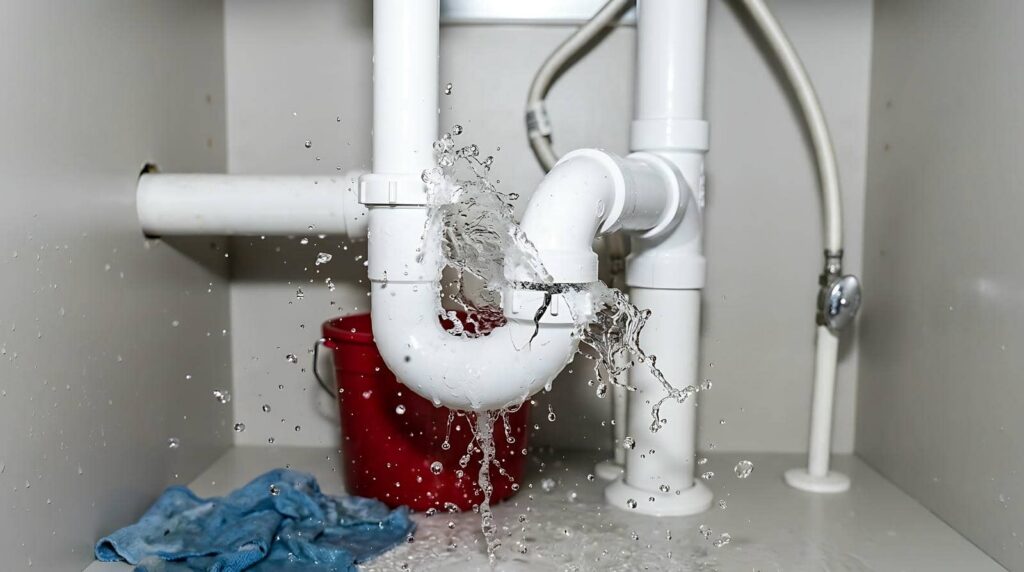
If a pipe breaks, shut off the main water supply immediately to stop further flooding.
Then cut power to nearby outlets if water reaches them.
You should inspect the break from a safe distance and note visible pipe damage for your records and repair team.
Use towels, a mop, or a wet vacuum to remove standing water from floors you can reach safely.
Open windows if the area needs ventilation.
Your immediate response should focus on limiting spread and protecting fixtures, walls, and flooring.
If you live with others, tell everyone what happened so they can avoid the area and help coordinate next steps.
Then contact a licensed plumber or emergency service right away.
Acting fast keeps you in control and helps your home recover sooner.
Stop the Sewage Flow Safely
Once you’ve controlled the initial water damage, stop any sewage backflow at the source by shutting off the affected fixture’s supply valves and, if needed, the home’s main water shutoff.
If the backup involves a toilet, sink, or floor drain tied to a cleanout, keep everyone away and don’t run any nearby fixtures. You’ll reduce pressure in the line and protect your space and your people.
For sewage safety, wear gloves and boots before you touch valves, and use a flashlight so you can confirm every shutoff is fully closed.
If you share plumbing with neighbors or a condo stack, alert them fast so they can pause water use too. This backup prevention step helps contain the problem, limits contamination, and keeps your crew-ready response on track.
Remove Standing Water and Waste
Start by clearing any standing water with a wet/dry vacuum, pump, or absorbent towels so the area is easier to work in.
Then scoop out solid waste into a sealed bag or container to limit contamination and odor.
Once the area’s clear, prepare drain access by removing the cover or opening the cleanout so you can inspect and flush the line.
Clear Standing Water
Use a wet/dry vacuum or a bucket to remove standing water and waste from the affected drain area before you clear the blockage.
Keep the hose low so you don’t splash contaminated water, and empty the container into a sanitary drain or approved disposal point.
Wear gloves and eye protection, and ventilate the space if you can.
As you clear the area, check the water level often so you know when the line starts to drain.
This step supports drain maintenance because it reduces pressure on the pipe and helps you spot early signs of recurring backup.
It also protects water quality by limiting contact with stagnant water.
Work steadily, stay alert, and you’ll create a cleaner, safer setup for the next repair step.
Scoop Solid Waste
If water still covers the blockage, scoop out any solid waste with a small bucket, scoop, or disposable container before you work farther down the line. You’ll reduce splashback and make the area safer for the next steps.
Use gloves, then lift debris into a lined trash bag or approved waste disposal container. Don’t force clumps through the pipe; that can push the blockage deeper.
Keep your plumbing tools clean as you work, and wipe the rim of the opening so you can see what’s left. If grease, food, or sludge keeps returning, remove it in small amounts and pause often.
Work methodically, and you’ll stay in control with your crew of one. When the standing waste is gone, you’re ready for the next repair step.
Prepare Drain Access
Before you clear the drain line, remove any standing water and remaining waste so you can see the blockage clearly. Use a wet vac, bucket, or sponge to empty the fixture, then wipe the basin or cleanout area dry.
If debris stays in the trap, scoop it out carefully and set it aside for disposal. This step gives you better drain cleaning control and helps you spot the exact entry point for access tools.
Check the surrounding area for loose parts, cracks, or hidden leaks before you move forward. Keep gloves on and work in good light so you stay safe and focused.
When the opening is clean and visible, you’ll join the job with confidence and make the next removal step faster and easier.
Call a Sewage Cleanup Service
A sewage cleanup service can remove contaminated water, sanitize affected areas, and reduce the risk of mold and structural damage after a pipe backup.
You should call trained pros when wastewater spreads beyond a small, contained area. They test sewage health risks, set cleanup safety controls, and use approved disinfectants and extraction equipment.
That matters because hidden contamination can linger in flooring, wall cavities, and air vents. Their team documents damage, isolates affected rooms, and helps you return to normal faster with less guesswork.
- Protects your household from harmful pathogens
- Limits odor, staining, and secondary damage
- Supports insurance claims with clear records
Use a Plunger for Minor Backups
For minor backups, you can use a plunger to restore flow by sealing the drain opening and creating steady pressure.
Make sure you maintain a tight seal, then push and pull firmly without breaking suction to dislodge the clog.
This method works best on small blockages that haven’t fully stopped drainage.
Proper Plunger Technique
Grab a cup plunger and make sure enough water covers the rubber cup to create a seal. You’ll get better results when you keep the handle upright and drive steady pressure straight down, then pull up firmly. That rhythm builds suction and helps your toolkit work as one of the most reliable plunger types for sinks and tubs.
- Center the cup over the drain opening.
- Use short, controlled plunging techniques.
- Maintain the seal between strokes.
If you feel resistance, keep the motion consistent instead of forcing it. You’re aiming for pressure changes, not splashing.
After several strong cycles, lift the plunger and check flow. If the backup eases, you’ve used the right method. If not, stop and reassess before trying again.
Clearing Minor Clogs
When the backup is minor, a plunger can often clear it quickly before it turns into a bigger blockage. You should cover the drain opening fully, then push and pull with steady force to move water through the line and break the clog.
Keep the seal tight; air leaks reduce pressure and slow results. If the water starts draining, continue a few more strokes to flush loose debris. Don’t use chemical cleaners right away, because they can complicate pipe maintenance and damage fixtures.
For shared spaces, this simple step helps everyone keep sinks and tubs working. If the clog returns, repeat once and stop if the drain still resists.
Consistent plunger use supports clog prevention and keeps minor backups from becoming costly repairs.
Clear the Clog With a Drain Snake
Insert the drain snake into the affected pipe and feed it slowly until you feel resistance from the clog. Turn the handle clockwise so the cable bites into the blockage, then advance in short, controlled pushes. You’re using one of the most reliable plumbing tools for drain maintenance, and the goal is to break up or hook the obstruction without damaging the pipe.
- Keep steady pressure, not force.
- Retract and clean the cable often.
- Stop if you meet solid resistance.
Work patiently until water starts moving more freely. If the snake catches debris, pull it back out and clear it before another pass.
You can handle this like the rest of the team: methodically, safely, and with confidence.
Use Hot Water to Flush the Line
Use hot water at a safe, near-boiling temperature to help loosen grease and residue in the line.
Pour it slowly so the heat can work through the pipe without splashing or shocking the plumbing.
If the backup persists, repeat the flush cycles until the flow improves.
Hot Water Temperature
Hot water can help loosen greasy buildup and push a partial clog farther down the line, but the temperature matters. You want enough heat to soften residue without stressing pipes, seals, or fittings.
For most household drains, the ideal temperature is hot, not boiling, because extreme heat can damage PVC and older joints. When you use hot water benefits wisely, you support the line without creating new problems.
- Aim for steaming, not rolling-boil water.
- Check pipe material before you flush.
- Stop if you notice leaks, odors, or softening.
This approach keeps you working with your system, not against it. If your backup returns, the blockage likely needs another solution, but controlled heat is a smart first step for your home.
Slow Pouring Technique
A slow pour gives the hot water time to work through the buildup and carry loosened debris farther down the line. You should pour in a thin, steady stream instead of dumping it all at once, because a controlled flow reaches more of the pipe wall and reduces splashing.
This method works well for slow draining fixtures where residue clings inside the trap or branch line. Keep the stream continuous, and let gravity do the work.
If you belong to a household that values simple pipe maintenance, this approach fits routine care without special tools. Use a kettle or pitcher with a stable grip, and aim directly into the drain opening.
The goal is to move heat through the blockage, not force it.
Repeat Flush Cycles
After the first hot-water pour, repeat the flush in short cycles to keep loosening grease, soap scum, and light debris.
You should space each cycle so the line can drain, then add another measured pour. This flush frequency helps you break up buildup without forcing it deeper.
Use flush techniques that match the pipe’s response: steady pours for slow openings, quicker repeats for stubborn residue.
Watch the drain level between cycles; if water rises, stop and let it recover.
- Use hot, not boiling, water to protect pipe joints.
- Repeat until flow stays consistent for several minutes.
- If backup returns, switch to a safer cleaning method.
Use Baking Soda to Loosen Grease
When grease buildup slows a drain, pour about half a cup of baking soda directly into the pipe to help break up residue before it hardens further.
Let it sit for 15 minutes so the baking soda can work on the grease buildup inside the line.
Then flush the drain with hot water to carry loosened debris along.
If you’re part of a household that cooks often, repeat this step regularly to keep flow steady and reduce clogs.
Use a funnel if the opening is narrow, and avoid mixing in harsh chemicals.
Baking soda gives you a safe, low-cost way to support your plumbing without calling for help right away.
It works best on light buildup, not solid blockages.
Use a Wet-Dry Vac to Remove Water
If standing water remains in the pipe after loosening debris, a wet-dry vac can help pull it out fast. You’ll get the best wet dry vac benefits when you seal the hose tightly over the drain opening and switch the unit to liquid mode.
Use short, controlled bursts instead of one long pull, and reposition the hose as the water level drops. These vacuuming techniques help you extract water without splashing or pushing sludge deeper.
- Keep the vac on a stable surface.
- Check the tank before it overfills.
- Empty and rinse the canister after use.
You’re not alone in tackling a backup; this step gives you a clean, practical reset before you move on.
Prevent Future Pipe Backups
To prevent future pipe backups, you’ll need to address the cause before it builds up again. Start with pipe maintenance: flush drains with hot water, clean strainers, and keep grease, wipes, and food scraps out of the system.
Use a drain screen in every sink and empty it often. Schedule regular inspections so you can spot slow flow, corrosion, and root intrusion early.
If you notice gurgling, odors, or repeated clogs, act quickly instead of waiting for a full blockage. Keep a simple log of cleaning dates and problem areas; it helps you stay on track and protect your home.
When you work this way, you’re part of the group that keeps plumbing reliable, safe, and ready for everyday use.
Frequently Asked Questions
What Signs Show a Pipe Backup Is About to Happen?
You’ll notice slow drains, gurgling sounds, foul odors, and recurring clogs before a pipe backup happens. Regular drain cleaning and plumbing maintenance help you catch these warnings early and keep your system flowing.
How Often Should Sewer Lines Be Professionally Inspected?
You should inspect sewer lines every 1–2 years; heavy use or older pipes may need annual checks. Regular sewer maintenance sets your inspection frequency, catching hidden buildup before it threatens your home’s shared peace.
Can Tree Roots Cause Recurring Pipe Backups?
Yes, tree roots can cause recurring pipe backups by invading cracks and joints. You’ll need tree root intrusion removal and prevention methods like root barriers, regular inspections, and pipe repairs to keep your system working.
Do Old Pipes Increase the Risk of Backups?
Yes, old pipes do increase backup risk because pipe deterioration narrows flow and weakens joints. You can reduce problems with regular plumbing maintenance, inspections, and timely repairs, keeping your system reliable and your household connected.
What Insurance Covers Damage From a Pipe Backup?
You’ll usually need pipe insurance or a homeowners endorsement; some claims hit coverage limits. You should check sewer backup protection, because standard policies often won’t cover pipe damage from backups.
Recap
You can handle many pipe backups quickly if you act fast and use the right method. First, stop the sewage flow and clear standing water safely. Then try a plunger, hot water, or baking soda to loosen the clog. For stubborn blockages, use a wet-dry vac or call a cleanup service. With regular maintenance, you’ll keep your drains running so smoothly it’s like a brand-new system.
Recent Posts
7 Sewage Cleanup Experts for Pipe Repairs
When your basement starts smelling like sewage after a pipe bursts, you need help fast.
How to Handle Broken Pipe Cleanup
When a supply line bursts behind your kitchen wall, you need Sewage Cleanup Experts for Pipe Repairs to shut
5 Tips for Sewage Cleanup After Pipe Damage
When a pipe bursts, the mess can spread like ink in water, fast and without