
Contents
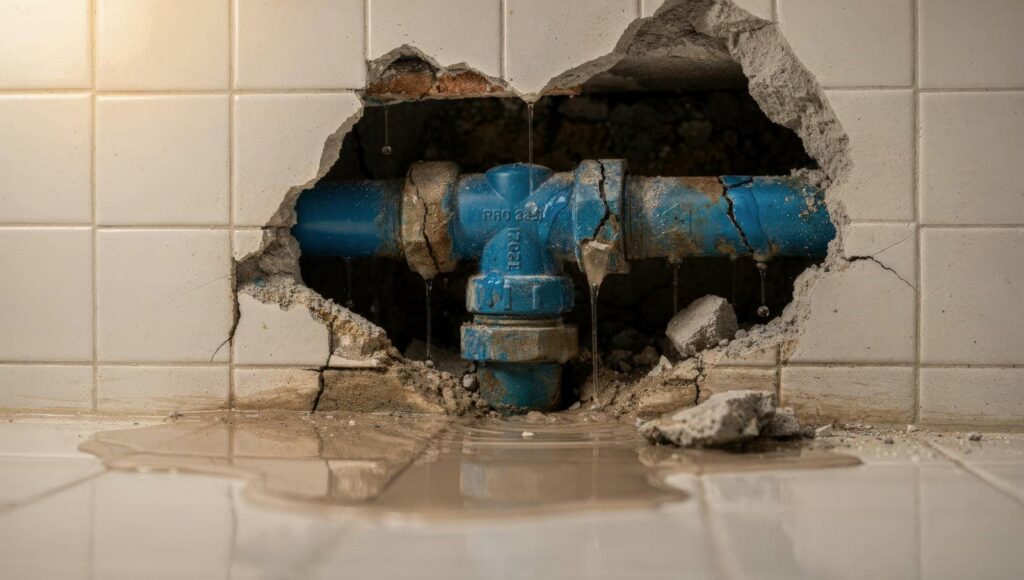
When a pipe fails, do you really want wastewater left to spread? You need to remove it quickly because sewage can carry bacteria, viruses, and other contaminants that threaten health and damage porous materials like drywall and flooring. The longer it sits, the deeper it seeps and the harder it becomes to dry, disinfect, and repair.
Key Takeaways
- Wastewater must be removed quickly to stop bacteria, viruses, and contaminants from spreading through the property.
- Lingering water creates strong odors and increases contamination in the affected area.
- Sewage can soak into drywall, flooring, and insulation, causing swelling, staining, and structural damage.
- Prompt removal lowers health risks from infection, especially for children, older adults, and immunocompromised people.
- Fast cleanup and drying help restore the space to a safe, sanitary condition.
Why Sewage Removal Matters After Pipe Damage
When pipe damage releases sewage into your property, quick removal matters because wastewater carries bacteria, viruses, and other contaminants that can spread through floors, walls, and air.
You need prompt sewage removal to keep contamination levels from rising and to protect anyone who lives or works there. Lingering wastewater also intensifies sewage odor, which signals trapped moisture and ongoing microbial activity.
By acting fast, you reduce material damage to drywall, subflooring, insulation, and finished surfaces, and you limit the chance that hidden areas stay unsafe.
Your property feels better when it’s clean, dry, and restored to a sanitary condition. Fast removal helps your space recover with less risk, less disruption, and a clearer path back to normal.
Stop Wastewater Spread Fast
Stop wastewater spread as soon as you notice pipe damage by shutting off the source, closing off the affected area, and keeping people out of contaminated zones.
You protect your team and home by moving fast, using barriers, towels, or absorbent materials for wastewater containment.
Then perform a rapid assessment to map where liquid has traveled, which surfaces are wet, and what utilities stay at risk.
Don’t walk contaminated water into clean rooms; use one entry path and remove items that can trap moisture.
If you’re working with others, assign clear roles so everyone stays coordinated and safe.
Quick isolation limits damage, reduces cleanup scope, and helps your group regain control before contamination spreads deeper into floors, walls, and shared spaces.
Signs You Need Emergency Sewage Removal
How do you know the damage has crossed from cleanup into emergency sewage removal? You’ll see dark water, a strong sewer odor, or slow-draining fixtures that keep backing up.
If wastewater returns after flushing, you’ve likely got an active line failure, and you shouldn’t wait. Any visible contamination near vents, drains, or cleanouts raises the risk of toxic exposure, so keep people and pets out of the area.
Call for a pipe inspection right away if you hear gurgling, notice bubbling in toilets, or see sewage surfacing indoors. You’re not overreacting; you’re protecting your household and your crew.
Emergency removal helps stop continued contamination, limits health hazards, and gets your system assessed before the problem spreads further.
How Sewage Damages Floors and Walls
Sewage doesn’t just sit on the surface; it seeps into flooring, drywall, trim, and subfloors fast. Once it enters porous materials, you can’t simply dry the top layer and call it done.
Moisture wicks upward and sideways, causing swelling, delamination, staining, and softening. Drywall loses strength, baseboards warp, and wood framing can start to deteriorate.
If you leave it in place, trapped sewage contamination keeps feeding microbial growth and breaks down adhesives, paints, and finishes. That’s why you need quick removal and controlled drying to protect structural integrity.
Acting fast helps you keep your space in the condition your home deserves, with materials that stay sound, aligned, and ready for proper repair.
Health Risks of Sewage Exposure
When wastewater backs up after pipe damage, it can expose you to bacteria, viruses, parasites, and other harmful contaminants that spread through skin contact, splashes, and inhalation of aerosolized droplets.
You’re at risk when sewage pathogens enter cuts, your eyes, or your mouth, because they can trigger infection fast. Common exposure symptoms include nausea, vomiting, diarrhea, fever, coughing, skin irritation, and eye redness.
If you live or work near the spill, you’re in the same risk zone as everyone else there, so don’t assume brief contact is harmless. Children, older adults, and anyone with a weak immune system face higher danger.
You can’t see every contaminant, so treat wastewater as unsafe and keep your team informed.
What Sewage Cleanup Experts Do First
After a wastewater backup, cleanup experts start by securing the area and stopping access so no one else gets exposed.
You’ll see them make a rapid sewage assessment to identify the source, spread, and affected materials. They document damage, check utilities, and decide which cleanup techniques fit your space.
- Inspect the source and flow path.
- Map contaminated surfaces and contents.
- Set work zones and protective controls.
This first pass helps your team stay organized and keeps everyone on the same page.
You can expect clear communication about hazards, entry limits, and what needs removal. By acting fast, experts reduce cross-contamination and prepare your property for the next remediation steps.
Dry, Disinfect, and Sanitize the Area
Once the contaminated materials are removed, the crew starts drying the space with air movers and dehumidifiers to stop moisture from spreading and limit mold growth.
You’ll see technicians monitor humidity, surface temperature, and airflow so every affected zone dries at the right rate.
After water extraction, they clean hard surfaces with approved disinfectants to reduce bacteria and odor-causing residue.
Then they sanitize touchpoints, baseboards, and structural materials that can safely stay in place. This step supports area restoration by creating a safer, cleaner environment for you and everyone in the building.
The team works methodically, checking hidden areas and adjusting equipment as needed.
When the space is fully dry and treated, you can move forward with confidence, knowing the cleanup has addressed the immediate contamination.
How to Prevent Future Wastewater Backup
To reduce the risk of another wastewater backup, you should inspect and maintain the plumbing system regularly, especially after a damage event. Stay proactive so your property stays protected and your team feels confident.
Schedule pipe maintenance to catch corrosion, root intrusion, and joint failure before they worsen. Use a sewage inspection after heavy rain, slow drains, or odor changes to find hidden blockages early.
- Clean drains and traps on a set schedule.
- Test backflow valves and sump systems.
- Replace damaged sections and seal weak connections.
Document every repair, inspection, and cleaning so you can spot patterns and act fast.
When you keep up with maintenance, you reduce emergency calls, protect shared spaces, and keep your system working reliably.
Frequently Asked Questions
How Much Does Sewage Removal Usually Cost?
You’ll usually pay $500–$3,000 for sewage removal costs, depending on factors affecting pricing like contamination level, cleanup area, access, disposal fees, and urgency. You should get a licensed estimate fast to avoid surprises.
Does Homeowners Insurance Cover Wastewater Cleanup?
Usually, yes—your homeowners insurance may cover wastewater cleanup. About 1 in 50 claims involve water damage, but you’ll need to check insurance policies and coverage limits, since exclusions and deductibles can still reduce your payout.
How Long Does Sewage Cleanup Take?
You can expect sewage cleanup to take 1-3 days for small jobs, longer for major damage. Your cleanup timelines depend on drying, disinfection, and repairs. Address sewage hazards fast so you protect your home and community.
Can I Stay in My Home During Sewage Removal?
You can stay only if professionals seal the floodgate, ventilate the castle, and confirm no health risks. Follow safety precautions, limit access, and keep out of affected rooms until cleanup clears the air.
What Personal Items Can Be Salvaged After Pipe Damage?
You can salvage hard, nonporous items like sealed electronics, metal tools, glass, and some plastic goods. Use cleaning techniques quickly, then dry them thoroughly. Porous fabrics, papers, and damaged salvageable electronics often need disposal.
Final Thoughts
After pipe damage, you need to remove wastewater fast. If you let it sit, it can spread bacteria, weaken drywall and flooring, and turn a small repair into a costly mess. Think of it like opening Pandora’s box: once sewage lingers, the problem multiplies. By acting quickly, you protect your health, dry the structure, and stop long-term damage. Call cleanup experts right away, disinfect the area, and prevent future backups before they return.
Recent Posts
Why Hire Pipe Damage Cleanup Experts?
You need fast cleanup, careful cleanup, and expert cleanup when pipe damage hits your home.
What Pipe Cleanup Experts Do Nearby
When a sewer line backs up in your basement after a heavy rain, nearby pipe
5 Best Water Damage Repair Services
When you face water damage, you need a repair service that responds fast, uses the