
Contents
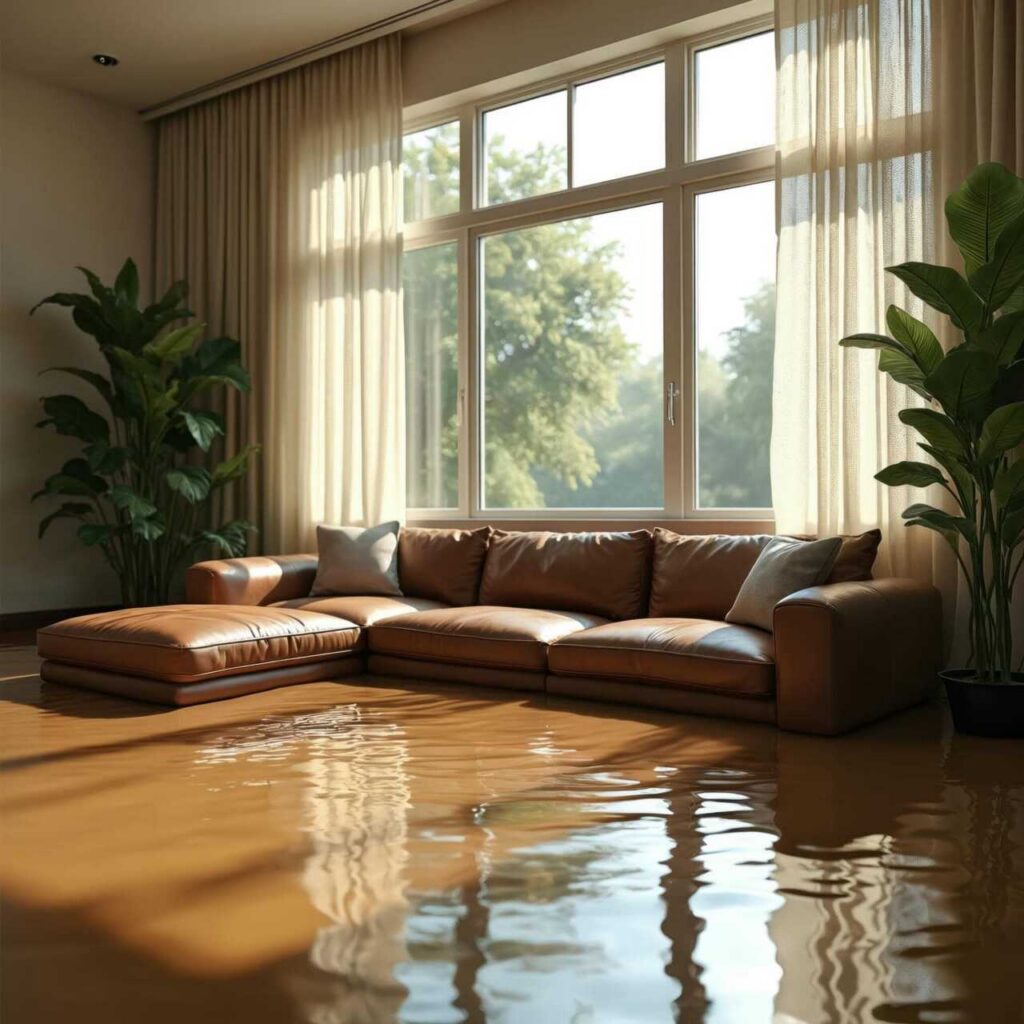
When faced with an emergency water extraction, it’s essential to act quickly and methodically. Start by evaluating the source of the water intrusion and confirming you’ve got the right safety precautions in place. Gather your equipment, like wet/dry vacuums and dehumidifiers, before tackling the standing water. The next steps are critical for effective recovery and to safeguard against mold. Let’s explore the detailed procedures that ensure a thorough extraction and restoration process.
Key Takeaways
- Assess the situation by identifying the source of water intrusion and checking for moisture damage before proceeding with extraction.
- Gather necessary equipment, including wet/dry vacuums, submersible pumps, and dehumidifiers, ensuring all tools are ready for use.
- Remove standing water using appropriate tools, such as a wet/dry vacuum for shallow water or a submersible pump for deeper areas.
- Sanitize all surfaces with EPA-approved disinfectants to prevent mold growth, allowing for recommended dwell time for effectiveness.
- Monitor moisture levels continuously with hygrometers and moisture meters, taking immediate action if elevated readings are detected.
Assessing the Situation
When faced with water damage, how do you quickly assess the situation? Start with an initial evaluation to identify the source of the water intrusion. Check for visible leaks, dampness, or standing water. Look around for signs of moisture damage, such as discoloration on walls or ceilings.
Next, perform a damage assessment by determining the extent of the affected area. Measure and document how far the water has spread, taking note of materials that may be compromised, like carpets, drywall, and furniture.
Remember, it’s essential to act quickly; the sooner you assess the damage, the better your chances are of preventing further issues like mold growth.
Engage with anyone affected and reassure them that you’re addressing the situation. Your thorough evaluation helps you understand the problem and fosters a sense of community and support during a challenging time.
Gathering Necessary Equipment
After evaluating the damage, the next step is gathering the necessary equipment to effectively handle the water extraction process.
Start by collecting essential water extraction tools, such as a wet/dry vacuum, submersible pump, and buckets. These tools are vital for quickly removing standing water and minimizing damage.
Next, gather emergency supplies like towels, mops, and squeegees to help with residual moisture and ensure thorough drying.
Don’t forget personal protective equipment, including gloves, masks, and boots, to keep yourself safe from contaminants.
If you have access to a dehumidifier or fans, include those in your equipment list, as they’ll aid in drying out the affected area.
Ensuring Safety Precautions
Before diving into the water extraction process, it’s important to confirm safety precautions are in place to protect yourself and others.
Start by wearing appropriate safety gear, including gloves, goggles, and waterproof boots. This gear will help safeguard you against contaminants often found in standing water.
Next, verify the area is safe to enter. Check for electrical hazards, as water can energize outlets and appliances. If necessary, turn off the electricity from the main breaker to avoid accidents.
Keep a first aid kit accessible in case of injuries. Familiarize yourself with its contents and know how to use them.
Finally, communicate with anyone involved in the process. Establish a clear plan so everyone knows their role and can work together effectively.
Removing Standing Water
Once you’ve ensured safety precautions are in place, it’s time to tackle the removal of standing water efficiently.
Start by evaluating your drainage systems to determine the best approach for water removal. If the water level is shallow, use a wet/dry vacuum to extract it. For deeper water, you may need a submersible pump. Position the pump in the lowest area to maximize drainage.
Ensure all electrical equipment is kept away from the water.
After removing the bulk of the water, check for areas that may trap moisture, as this can lead to mold growth. Move any obstacles that obstruct drainage and clear debris from the drainage systems to facilitate proper flow.
Once the standing water is removed, ventilate the area thoroughly to aid drying.
This proactive approach helps in immediate recovery and fosters a sense of community resilience in tackling water emergencies together.
Extracting Water From Carpets and Rugs
Before you start extracting water from carpets and rugs, assess the extent of the water damage to determine the best approach.
You’ll need to employ specific drying techniques to effectively remove moisture and prevent mold growth.
Understanding these steps will help you restore your flooring quickly and efficiently.
Assessing Water Damage
When you discover water damage in carpets and rugs, it’s essential to act swiftly to minimize further harm.
Begin with water source identification; determine if the leak is from a burst pipe, flooding, or another source. This step is imperative to prevent recurrence.
Next, document the damage thoroughly. Take photos and note affected areas and the extent of saturation. This documentation will be important for insurance claims and restoration processes.
Check the material of the carpet or rug, as certain fibers may require specific extraction methods.
After evaluating the damage, prioritize immediate extraction to avoid mold and mildew growth. Your timely actions can greatly reduce long-term effects and help restore your space effectively.
Drying Techniques Explained
Three effective drying techniques can help extract water from carpets and rugs, each suited to different situations.
First, use a wet vacuum to remove excess water quickly. Make sure to work in overlapping strokes for maximum efficiency.
Next, enhance air circulation by opening windows and using fans to create a cross-breeze, promoting faster drying.
Finally, consider dehumidifier usage; running a dehumidifier in the affected area reduces humidity levels, allowing moisture to evaporate more effectively.
Combine these methods for best results, ensuring your carpets and rugs dry thoroughly and prevent mold growth.
Drying Out the Affected Area
As you begin the drying process, it’s essential to act swiftly to minimize damage and prevent mold growth. Start by removing any standing water with a wet vacuum or pump.
Once the bulk of the water is gone, set up a dehumidifier in the affected area. Dehumidifier usage will help reduce moisture levels, making it easier to dry out the space.
Next, enhance air circulation by opening windows and doors, if possible. Use fans to promote airflow, directing them towards damp areas. This will speed up the drying process considerably.
Rotate the fans occasionally to ensure all surfaces are adequately dried.
Monitor the humidity levels in the room; aim for a reading below 60% to effectively inhibit mold growth. Regularly check the area for any lingering dampness, and keep the dehumidifier running until everything is thoroughly dry.
Cleaning and Sanitizing Surfaces
Once you’ve dried the area, it’s essential to clean and sanitize all surfaces to prevent mold and bacteria growth.
Use effective cleaning solutions that are suitable for the materials in your space, and be certain to apply proper sanitization techniques to ensure thorough disinfection.
Neglecting this step can lead to health risks, so don’t overlook its importance.
Importance of Sanitizing Surfaces
When water damage occurs, you must prioritize sanitizing surfaces to prevent the growth of harmful bacteria and mold. Use effective sanitation methods, including surface disinfectants, to ensure your environment remains safe.
Start by removing any visible debris or contamination, then apply the disinfectant according to the manufacturer’s instructions. Pay attention to high-touch areas, as these are most susceptible to bacteria.
Allow sufficient contact time for the disinfectant to work effectively before wiping surfaces clean. Remember to wear protective gear, such as gloves and masks, to safeguard your health during the process.
Effective Cleaning Solutions
To effectively clean and sanitize surfaces after water damage, you need to choose the right cleaning solutions that target both dirt and pathogens.
Opting for eco-friendly solutions is essential for both your health and the environment. Here are some effective options:
Vinegar: A natural disinfectant that cuts through grime.
Baking soda: Great for deodorizing and scrubbing surfaces.
Castile soap: A biodegradable soap that’s safe for various surfaces.
Hydrogen peroxide: A powerful yet eco-friendly alternative to bleach.
Essential oils: Such as tea tree or lavender, can enhance disinfecting properties.
Proper Sanitization Techniques
Cleaning surfaces is just the start; proper sanitization techniques are essential to ensure that all harmful pathogens are effectively eliminated.
Begin by selecting appropriate sanitization methods, such as using EPA-approved disinfectants that target bacteria removal. After thoroughly cleaning, apply the disinfectant according to the manufacturer’s instructions, ensuring complete coverage. Allow the solution to sit on the surface for the recommended dwell time to maximize effectiveness.
Don’t forget high-touch areas like doorknobs and light switches. Use disposable cloths or microfiber materials to avoid cross-contamination.
Finally, rinse surfaces as needed and allow them to air dry. By following these steps, you’ll create a safer environment for everyone, fostering a sense of belonging and community wellness.
Preventing Mold Growth
Although water damage can lead to mold growth within 24 to 48 hours, taking immediate action can considerably reduce this risk.
Focus on mold prevention by addressing moisture and humidity control throughout your space. Here are some effective steps:
Dry out affected areas: Use fans and dehumidifiers to eliminate moisture.
Seal leaks: Repair any plumbing leaks or roof issues promptly.
Improve ventilation: Ensure adequate airflow in basements, attics, and bathrooms.
Monitor humidity levels: Keep indoor humidity below 60% using hygrometers.
Use mold-resistant products: Consider mold-resistant paint and drywall in vulnerable areas.
Monitoring Moisture Levels
Monitoring moisture levels is essential in preventing further damage after a water incident, as unchecked humidity can lead to structural issues and mold growth.
Start by using moisture detection tools such as hygrometers and moisture meters. These devices help you assess the humidity levels in your space, giving you a clear picture of the environment.
Regular humidity monitoring is vital; check these levels daily, especially in areas prone to dampness. If you notice elevated readings, take immediate action to enhance ventilation or use dehumidifiers.
Keep track of moisture levels over time, documenting any changes. This data can help you identify patterns and make informed decisions about necessary interventions.
Restoring the Space to Normalcy
To restore your space to normalcy, start by evaluating the extent of the damage caused by the water intrusion.
Once you’ve identified affected areas, implement effective drying techniques to eliminate moisture and prevent mold growth.
Timely action is vital to ensure a safe and habitable environment.
Assessing Damage Extent
When evaluating the extent of water damage, it’s crucial to approach the task methodically to secure a thorough evaluation.
Start by identifying damage indicators that can signal the severity of the issue. Use moisture mapping to pinpoint areas with high moisture content. This helps you determine which materials need attention.
- Inspect walls, floors, and ceilings for discoloration or warping.
- Check for mold growth, which can indicate prolonged moisture exposure.
- Use a moisture meter to assess the level of saturation in various materials.
- Document your findings with photos for reference.
- Communicate clearly with your team to make sure everyone understands the scope of the damage.
Taking these steps will help you restore the space to normalcy effectively.
Effective Drying Techniques
How can you effectively dry out a water-damaged space and restore it to normalcy?
Start by removing excess water with a wet vacuum or pump.
Next, employ advanced drying methods like air movers and dehumidifiers.
Position air movers strategically to create airflow, ensuring they direct air across wet surfaces.
Use dehumidifiers to manage humidity control, keeping levels below 60% to prevent mold growth.
Monitor the drying process with moisture meters to confirm materials are adequately dried.
Remember to check hidden areas, like behind walls and under floors, where moisture can linger.
Frequently Asked Questions
What Types of Disasters Require Emergency Water Extraction?
Flood damage and sewage backup are primary disasters requiring emergency water extraction. You’ll need to act swiftly to minimize damage, ensuring safety and preventing mold growth. Remember, prompt action is essential in these situations.
How Long Does the Water Extraction Process Typically Take?
Water extraction duration usually ranges from a few hours to several days. Factors affecting time include water volume, source, and the affected area’s size. Understanding these elements helps you manage expectations effectively during the process.
Can I Extract Water Without Professional Help?
Yes, you can extract water without professional help using DIY techniques. Make certain you wear protective gear and follow safety precautions, like turning off power sources, to prevent injuries or further damage during the extraction process.
What Are the Signs of Mold Growth After Water Damage?
If you see discoloration, a musty smell, or fuzzy patches, you might have mold growth after water damage. Use mold identification techniques to assess the area, as mold poses significant health risks if left unchecked.
Is Insurance Coverage Available for Water Extraction Services?
Yes, many insurance policies offer coverage for water extraction services, but it’s vital to check your specific policy for coverage limits. Review your terms to ensure you’re adequately protected in case of water damage.
Final Thoughts
Once you’ve completed the extraction and restoration process, remember that maintaining a dry environment is essential, much like keeping a garden well-watered but not flooded. Regularly check moisture levels and continue to monitor for any signs of mold. If you’ve followed these steps diligently, your space should return to normal conditions, free from the worries of water damage. Staying proactive will help you prevent future issues and ensure a safe, healthy environment.
Recent Posts
7 Best Toilet Overflow Water Damage Inspection
When you inspect toilet overflow water damage, you need to move fast and check the
7 Tips for Home Water Damage Assessment
Could a quick visual check reveal water damage before it spreads? Water damage assessment starts
7 Home Water Damage Assessment Tips
Could a quick visual check reveal water damage before it spreads? Water damage assessment starts