
Contents
After a storm leaves you with soaked drywall, warped flooring, and a musty smell, water damage repair needs to start within the first 24 hours. Contact nearby companies that handle extraction, drying, mold prevention, and structural repairs. Check for licensing, insurance, and 24/7 response, then compare inspections and estimates from at least two providers, because the right team doesn’t just fix what’s visible, they limit what spreads.
Key Takeaways
- Search for licensed local water damage companies with 24/7 emergency response and IICRC-certified restoration services.
- Compare nearby providers that offer inspection, water extraction, drying, cleaning, and structural repairs.
- Choose companies that document hidden moisture with meters and provide photos for insurance claims.
- Ask for at least three estimates, and compare pricing by square foot, damage category, and demolition needs.
- Check local reviews, insurance coverage, and availability of temporary lodging or emergency cleanup support.
What to Do After Storm Water Damage
After storm water damage, you should act quickly to stop further harm and document the loss.
Shut off electricity if water reached outlets, and avoid standing water until it’s safe. Move belongings to dry space, then photograph every affected area, including walls, floors, and personal items.
Keep receipts for emergency supplies and temporary lodging; they support insurance claims and help you recover costs. Ventilate the space with fans and open windows if weather allows.
Remove saturated textiles and cardboard to reduce secondary deterioration. Contact a licensed water damage team in your area so your crew can assess the storm aftermath and begin extraction, drying, and sanitation.
Notify your insurer promptly, share your records, and follow their instructions closely.
Signs You Need Water Damage Repair
You should check for visible water stains on walls, ceilings, or flooring because they often show active or past moisture intrusion.
If you notice a musty odor, trapped moisture may still be present in hidden materials.
These signs mean you may need water damage repair before the problem spreads.
Visible Water Stains
One of the clearest signs of a water intrusion problem is a visible stain on ceilings, walls, or floors. You may see yellow, brown, or gray discoloration, peeling paint, or warped trim around the affected area.
This visible damage tells you moisture has already spread through materials, so you shouldn’t wait. Check the stain’s size, edges, and whether it changes after rain or appliance use. Mark the spot and compare it over time.
For stain removal, don’t just cover the mark with paint or patch compound; that hides the symptom, not the source. You need a repair team to trace the leak, dry the structure, and restore the surface.
When you act early, you protect your space and stay with a community that keeps homes safe.
Musty Odors
A persistent musty odor often means moisture is trapped inside walls, under flooring, or in insulation, even if you can’t see visible damage yet.
You may notice musty smells after rain, plumbing leaks, or flooding, and they usually point to hidden damp areas that need inspection. Don’t mask the odor with air fresheners; find the source quickly.
Check basements, closets, crawlspaces, and HVAC vents for wet materials, discolored trim, or soft drywall. If the smell lingers, schedule professional drying and moisture testing right away.
Fast action limits mold growth, protects indoor air quality, and keeps your home comfortable for everyone in it. When you address the problem early, you’re taking a practical step that helps your space feel safe, clean, and cared for.
Emergency Storm Cleanup Steps
When a storm passes, act fast to stabilize the property and limit further damage. First, check for downed lines, gas odors, and structural hazards before you enter.
Then document visible impact with photos, so your team can coordinate quickly. Shut off power only if it’s safe, and move through wet areas with caution.
Open windows if weather allows, and begin airflow to reduce moisture buildup. Remove loose debris from walkways, gutters, and drains to restore safe access.
Use flood preparedness habits and storm prevention checks to keep your response organized and efficient. Separate salvageable items from saturated materials, and bag contaminated contents for disposal.
Contact nearby cleanup professionals who can assess conditions, secure the site, and help you feel supported as you recover.
Common Home Water Damage Repairs
Once the site is dry enough to work safely, you can begin common home water damage repairs by removing damaged drywall, insulation, baseboards, and flooring that won’t dry out properly. You’re not alone in this process; most homeowners handle it step by step.
Use moisture detection to confirm hidden dampness before you seal anything back up. Then:
- Cut out warped materials to clean, solid edges.
- Scrub framing and subfloors with a mild cleaner.
- Replace removed components with matching, dry materials.
Check cabinets, trim, and wall cavities for staining or soft spots.
Repair small cracks, resecure loose joints, and repaint only after surfaces stay stable. These repairs help restore your space and support flood prevention by reducing future vulnerabilities.
How Flood Damage Mitigation Works
Flood damage mitigation starts as soon as you can safely enter the area, because fast action limits structural loss, mold growth, and electrical hazards. You shut off power, document damage, and move valuables to a dry zone.
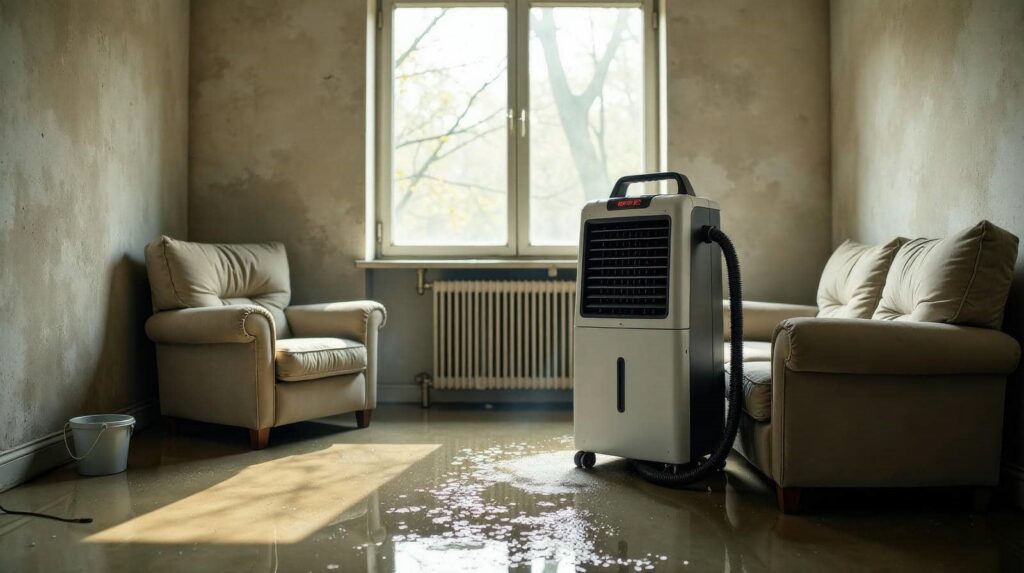
Next, you remove standing water with water extraction techniques such as pumps, wet vacs, and squeegees. Then you open airflow paths, run dehumidifiers, and check hidden cavities for trapped moisture.
You also sort materials: save what dries cleanly, and discard items that stay saturated. A local restoration team can help you feel supported while they measure moisture, monitor drying, and stabilize framing.
After cleanup, you should review flood prevention strategies like sealing gaps, improving drainage, and raising stored items. These steps help you protect your space and recover faster.
When Sewage Cleanup Is Needed
You need sewage cleanup when you notice backup signs like slow drains, toilet overflow, or wastewater in sinks, tubs, or floors.
Raw sewage carries harmful bacteria and contaminants, so you shouldn’t handle it without proper protection and containment.
A professional crew will isolate the area, remove contaminated materials, disinfect surfaces, and restore the space safely.
Sewage Backup Signs
A strong sewage odor, gurgling drains, or wastewater backing up through toilets or floor drains are clear signs you need sewage cleanup. When you notice these warning signs, treat them as active sewage contamination, not a minor clog. You’ll protect your space and your people by acting fast.
- Watch for repeated slow drains after plunging.
- Check for wet spots near fixtures or baseboards.
- Note bubbling water in tubs, showers, or sinks.
These signs often point to line blockage, failed pumps, or main sewer issues. Call a nearby cleanup team for inspection, extraction, and sanitizing.
Fast response supports backup prevention and limits system damage. You’re not dealing with this alone; reliable local help can restore control and keep your home ready for normal use again.
Health Risks
When sewage enters your home, it can expose you to harmful bacteria, viruses, parasites, and airborne contaminants that spread through contact, inhalation, or contaminated surfaces.
You can also face skin irritation, stomach illness, and eye infections after touching affected materials. If moisture lingers, mold growth can start within 24 to 48 hours, adding spores that worsen respiratory issues, especially if you already have asthma or allergies.
You and your household may feel safer when you treat any sewage exposure as urgent, because odors and damp debris can hide contamination in porous materials.
Keep children and pets away, and avoid walking through standing waste. Fast action protects your space, your health, and the people you care about most.
Professional Cleanup Steps
Professional sewage cleanup starts with an inspection that identifies the source, extent, and category of contamination. Then the crew isolates the area to prevent cross-contamination. You’ll see trained pros wear PPE, shut off HVAC, and document damage for insurance claims, so your case stays clear.
They remove unsalvageable materials, extract standing water, and apply EPA-approved disinfectants with cleanup equipment rated for biohazards.
- Contain the zone and protect adjacent rooms.
- Remove debris, porous items, and sewage-soaked materials.
- Clean, sanitize, dry, and verify safe moisture levels.
Afterward, the team deodorizes, tests surfaces, and restores the space. When you need a nearby crew, you’re not alone—reliable help should make your home feel safe again.
How to Choose a Water Damage Company
How do you narrow down the right team after water damage? Start by verifying licensing, insurance, and 24/7 response, then ask about water extraction methods and drying equipment.
You want a crew that inspects hidden moisture, documents damage, and explains each step in plain terms. Check whether they follow IICRC standards and whether technicians use moisture meters and thermal imaging.
Review local references so you can see how they treat people like neighbors, not numbers. Ask about insurance considerations: they should help you create photos, logs, and a clear scope for your claim.
Choose a company that communicates fast, respects your home, and confirms when it’s safe to reenter. That’s how you find a team you can trust.
Water Damage Restoration Costs
Once you’ve narrowed the field to a qualified water damage team, the next question is cost. You’ll usually pay for inspection, extraction, drying, cleaning, and repairs, and the total depends on how far the damage spread.
Get repair estimates from at least three providers so you can compare scope, equipment, and timeline, not just price. Ask whether they bill by square foot, category of water, or demolition needs.
- Minor leaks: often lower-cost and faster.
- Moderate flooding: drying and material removal raise the bill.
- Severe structural damage: reconstruction drives costs up.
Check your insurance coverage early; it can reduce your out-of-pocket share if the source and timing qualify.
When you know the numbers, you can move with confidence and feel like you’ve got a team behind you.
Frequently Asked Questions
How Quickly Can Nearby Water Damage Repairs Begin?
You can usually start water damage repairs within hours, often after emergency response teams arrive. Your restoration timeline depends on damage severity, drying needs, and access, but fast local crews can mobilize the same day.
Do Nearby Repair Companies Offer Free Inspections?
Yes, many nearby companies offer free inspections, and you’ll often get free estimates too. You can use those inspection benefits to quietly chart a safer course, so you feel included, informed, and ready.
Can Insurance Cover Local Water Damage Repair Services?
Yes, your insurance can cover local water damage repair services if your insurance policies include this peril and the loss meets coverage limits. You’ll need prompt documentation, a claim, and approved contractors to stay protected.
Are Same-Day Water Damage Repairs Available Near Me?
Yes, you can often get same-day water damage repairs near you, depending on emergency response and service availability. You should call local crews fast, confirm arrival windows, and choose a team that fits your needs.
What Permits Do Nearby Water Damage Repairs Require?
You’ll usually need building, plumbing, electrical, and sometimes mold or demolition permits; permit types depend on damage scope. Check repair regulations locally, because you might discover the right permit just when crews start work.
Conclusion
To wrap up, you should act fast, document the damage, and contact a licensed, insured restoration company with 24/7 emergency service. Compare inspections, quotes, and response times before you choose. If water has soaked walls, flooring, or wiring, you need professional repair, not a DIY patch. Nearby options usually include cleanup, drying, mold prevention, and structural repair. Don’t let a medieval wait turn minor flooding into major loss.
Recent Posts
7 Tips for Home Water Damage Assessment
Could a quick visual check reveal water damage before it spreads? Water damage assessment starts
7 Home Water Damage Assessment Tips
Could a quick visual check reveal water damage before it spreads? Water damage assessment starts
10 Best Home Water Damage Assessment Tips
If you suspect water damage, you need to move quickly and assess it methodically. Home