
Contents
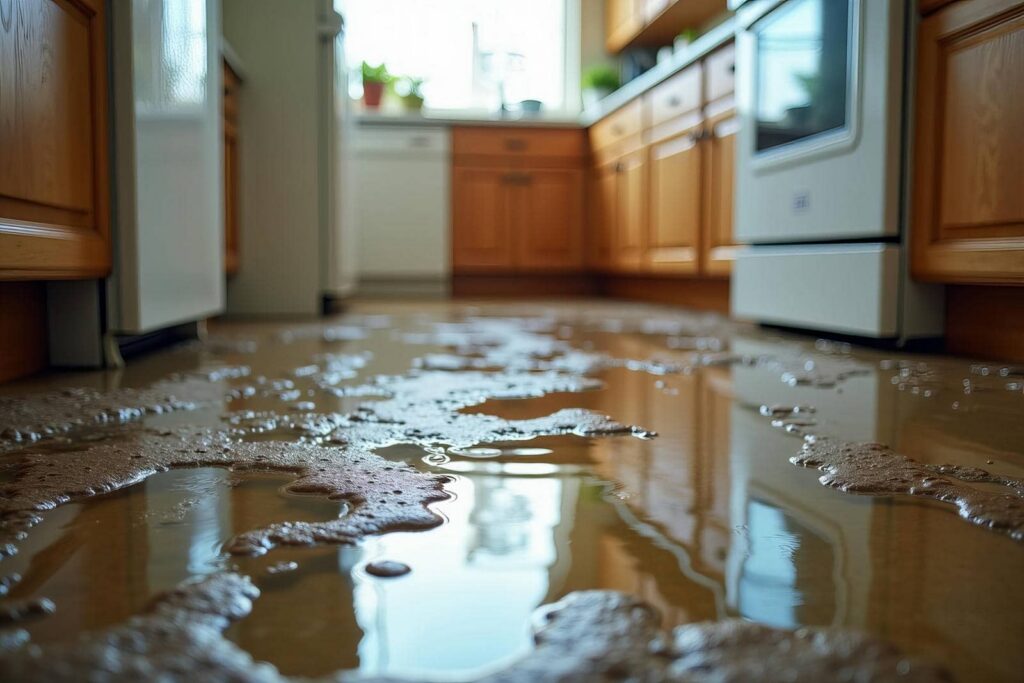
When urgent cleanup hits, you need to act fast and stay safe. You’ll first check for sewage damage, foul odors, and any health risks, then shut off the water source before the mess spreads. Gloves, boots, and eye protection aren’t optional. You’ll also need to remove contaminated materials and dry the area quickly. But if the damage is heavy, one wrong move can make it worse.
Key Takeaways
- Stop the water source immediately by shutting off the main valve or fixture valve.
- Keep children and pets away from contaminated or unsafe areas.
- Wear gloves, boots, eye protection, and a mask before handling debris.
- Remove and bag sewage-soaked porous materials like carpet and drywall.
- Call a professional cleanup service for widespread damage, hidden moisture, or health risks.
Check for Sewage Damage and Health Risks
Before you start cleaning, check whether sewage has entered the area, because contaminated water can expose you to harmful bacteria, viruses, and parasites.
Look for discoloration, sludge, foul odors, and soaked materials, and treat every affected surface as unsafe. If you spot sewage contamination, keep children, pets, and anyone with a weakened immune system away from the area.
Wear gloves, boots, and eye protection, and wash your hands after any contact. Avoid touching your face or tracking debris into clean spaces. These health precautions help you protect your household and your team.
If sewage touched porous items like carpet, insulation, or drywall, assume they’re compromised and plan to remove them.
Stay alert, stay steady, and handle the scene like a shared priority.
Shut Off Water and Stop the Source
Once you’ve confirmed the area is unsafe, stop the damage at its source as quickly as you can.
Find the main water valve and turn it off, then check fixture valves if the leak is isolated. If you’re unsure where the shutoff is, look near the water meter, basement wall, or utility closet.
Use proper water shutoff methods: turn clockwise until firm, and don’t force a stuck valve.
If the source is a burst pipe, appliance line, or hidden leak, call emergency plumbing support right away. You can also shut off power to nearby wet equipment if needed.
Stay calm, move fast, and keep your crew clear of the affected area. The sooner you stop the flow, the less cleanup you’ll face.
Start Sewage Cleanup Safely
When sewage is involved, you need to treat the area as a health hazard and move with caution.
Put on full safety gear before you step in: gloves, boots, eye protection, and a mask or respirator rated for the exposure.
Keep children and pets away, and don’t eat, drink, or touch your face while you work.
Make a quick contamination assessment by identifying where the sewage spread, what it touched, and whether electrical hazards or sharp debris are present.
If the area feels too large or unsafe, call a licensed professional right away.
You’re not overreacting by being careful—you’re protecting yourself and everyone in your home.
Work steadily, stay alert, and treat every surface as contaminated until you can handle the next cleanup step.
Remove Contaminated Materials and Dry the Area
Remove and bag any porous materials that sewage soaked through, such as carpet, insulation, drywall, cardboard, and upholstered items, because they usually can’t be fully cleaned. You should seal each bag, move it out quickly, and keep the path clear so you’re not tracking contamination back through your home.
Next, wipe hard surfaces with a detergent solution, then rinse and disinfect them according to label directions. During your contamination assessment, watch for hidden moisture under flooring, behind trim, and inside cabinets.
Open windows if weather allows, run fans, and use dehumidifiers to speed drying. Good drying techniques matter because lingering dampness invites mold and odor. Keep checking the area until everything feels dry, stays dry, and looks clean.
Call Sewage Cleanup Experts for Severe Damage
If the sewage damage is widespread, has soaked into walls or subfloors, or involves backup from a main line, call a sewage cleanup company right away.
You’re dealing with more than a mess; you’re facing health risks, hidden moisture, and structural damage that can spread fast.
Trained crews bring protective gear, extraction equipment, disinfectants, and moisture meters to handle sewage cleanup safely and thoroughly.
They’ll assess the extent of the damage, remove contaminated materials, sanitize affected areas, and dry the space correctly.
Professional services also help prevent mold and lingering odors.
When you act quickly, you protect your home and your household.
Trust experts to restore the space so you can get back to feeling secure, supported, and at home again.
Frequently Asked Questions
How Do I Document Sewage Damage for Insurance Claims?
You’ll document sewage damage by photographing every affected area, listing damaged items, saving receipts, and getting a sewage damage assessment. Notify your insurer fast, then follow the insurance claim process to support your claim.
What Personal Protective Equipment Should I Wear During Cleanup?
Wear cleanup safety protective gear: disposable gloves, N95 or higher respirator, goggles, boots, long sleeves, and waterproof coveralls. You’ll protect yourself, work confidently, and belong with crews who handle hazardous cleanup the right way.
How Long Does Sewage Cleanup Usually Take?
Sewage cleanup usually takes a few hours to several days, depending on damage. Your cleanup timeline starts with fast sewage removal, then drying, disinfection, and repairs. You’ll move forward sooner with professional help and prompt action.
Can I Salvage Belongings After Sewage Exposure?
You can sometimes salvage belongings after sewage exposure, but you’ll need to act fast. Throw out porous items, clean hard surfaces thoroughly, and wear protection. When in doubt, prioritize safety over belongings salvage.
What Permits Are Needed for Major Sewage Repairs?
You’ll usually need plumbing, building, and sometimes health permits for major sewage repairs, plus necessary inspections. Check local sewage repair regulations first, then pull approvals before digging, replacing lines, or reconnecting service.
Recap
When sewage hits, you can’t afford to hesitate for even a second. Check for danger fast, shut off the water, and start cleanup only if it’s safe. Wear gloves, boots, and eye protection, and remove soaked materials before they turn your home into a breeding ground for mold and misery. If the damage is big or risky, call pros immediately. Acting quickly now can save your space, your health, and your peace of mind.
Recent Posts
3 Tips for Sewage Backup Water Damage Repair
When sewage backs up, you need to stop the flow fast, shut off the affected
Emergency Sewage Cleanup: How-To Guide
Sewage cleanup is both a routine task and a biohazard emergency. You need to stop
What Is Emergency Sewage Backup Cleanup?
If you’re dealing with an emergency sewage backup, you’re facing more than a mess—you’re confronting