
Contents
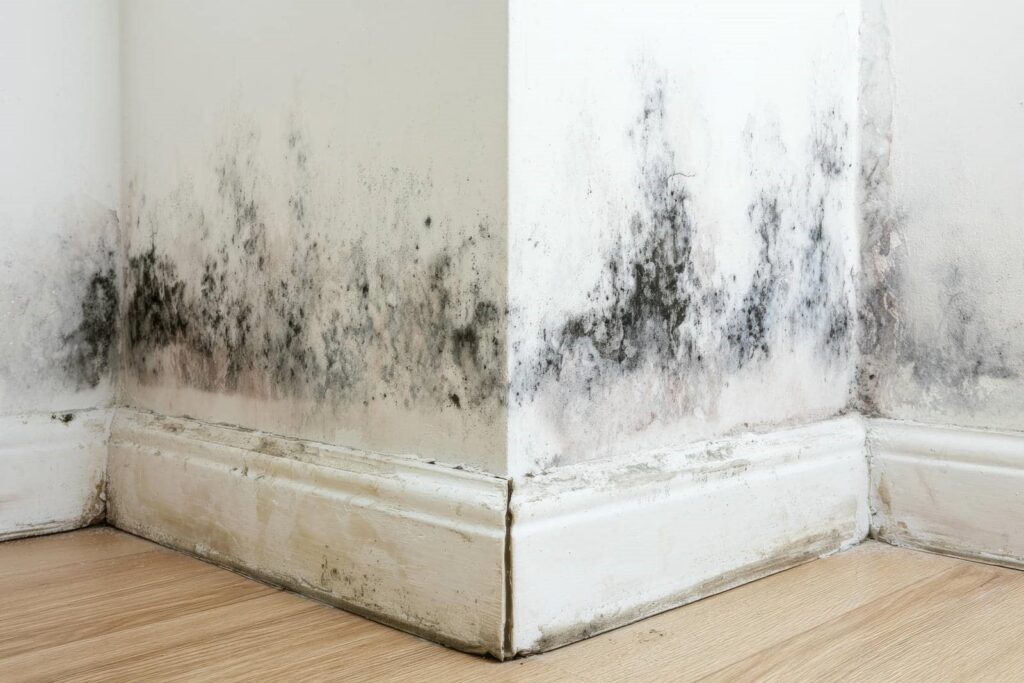
After a flood, you may think the dampness is just a minor inconvenience, but mold can begin spreading within 24 to 48 hours. Hidden growth in walls, insulation, and other porous materials means drying the surface alone won’t eliminate it. That’s why mold removal becomes urgent fast, post-flood spores compromise air quality, trigger health problems, and spread further the longer professionals are kept waiting.
Key Takeaways
- Mold can begin growing within 24 to 48 hours after flooding, especially in damp, porous materials.
- Flood-related mold can cause coughing, wheezing, allergies, and other health problems, especially for vulnerable people.
- Drying alone is not enough, because hidden moisture inside walls and floors can keep feeding mold growth.
- Immediate removal helps stop spores from spreading and protects the rest of the building from contamination.
- Proper remediation includes containment, cleanup, drying, and moisture verification to restore a safe indoor environment.
Why Mold Grows Fast After Flooding
After flooding, mold can begin colonizing damp materials within 24 to 48 hours because moisture, organic debris, and limited airflow create ideal growth conditions.
You should treat every wet surface as a potential growth site, since porous materials hold water deep inside fibers and joints. Warm indoor temperatures accelerate mold growth, while trapped humidity keeps surfaces above the threshold for colonization.
If you delay drying, spores can spread across drywall, insulation, wood, and fabric. Your first priority is moisture control: remove standing water, increase ventilation, and dehumidify continuously.
Inspect hidden cavities, baseboards, and subfloors, because concealed dampness often persists after visible surfaces seem dry.
When you act quickly, you protect your space, reduce contamination, and keep your recovery plan on track.
Health Risks of Post-Flood Mold
Even a small amount of post-flood mold can trigger health problems if you breathe spores, fragments, or microbial byproducts during cleanup.
You may notice mold exposure causing coughing, wheezing, eye irritation, sinus pressure, or fatigue, especially if you already manage asthma or allergies. Your immune response can overreact, leading to allergic reactions and other health symptoms that disrupt sleep, work, and recovery.
Sensitive populations, including children, older adults, and people with compromised immunity, face higher risk for respiratory issues and long-term effects when exposure continues.
You can protect your household by using prevention strategies such as rapid drying, containment, and proper protective gear. Acting early helps you stay safe, keeps your team informed, and supports a healthier return to normal.
Signs You Need Mold Removal Now
When do you need mold removal now? You need it when you see visible colonies, detect a musty odor, or notice moisture stains that keep returning.
If you or your family develop mold symptoms such as coughing, sneezing, eye irritation, or worsening asthma, treat the situation as urgent action.
Pay close attention to warped drywall, peeling paint, discoloration around baseboards, and damp insulation after flooding. These signs show that contamination may be spreading beyond the surface.
You deserve a safe home, and your household shouldn’t have to guess about indoor air quality.
If mold appears on multiple materials or grows back after cleaning, call a qualified professional promptly. Fast response limits exposure, protects property, and helps restore the healthy environment your family expects.
Why Drying Alone Won’t Stop Mold
Drying floodwater is necessary, but it won’t stop mold if building materials stay damp or contaminated.
You need to understand that porous materials can hold hidden water long after surfaces feel dry. That residual moisture keeps moisture levels high enough for mold spores to germinate and spread through your home.
Even when fans and dehumidifiers reduce humidity, they can’t remove contamination embedded in drywall, insulation, carpet, or wood.
You’re protecting your household when you verify dryness with tools, not just touch.
If you belong to a community of homeowners recovering from flooding, you know speed matters, but precision matters more.
Drying helps, yet it doesn’t restore safe conditions unless wet materials are fully addressed and indoor moisture levels stay controlled.
How Emergency Mold Removal Works
You first perform a rapid moisture assessment to locate saturated materials, hidden dampness, and active growth zones.
Then you establish containment to limit spore spread and protect unaffected areas.
After that, you remove contaminated materials, clean affected surfaces, and verify that the structure is safe for drying and restoration.
Rapid Moisture Assessment
Before any demolition or cleaning begins, emergency mold teams perform a rapid moisture assessment to locate hidden water intrusion and define the full extent of contamination.
You’ll see technicians use calibrated meters, infrared scanning, and targeted moisture detection to map affected framing, drywall, and subfloors. This data tells you where water migrated and which materials still support microbial growth.
They also measure ambient conditions so humidity control can start immediately, limiting further spread and reducing reactivation risks.
By documenting readings room by room, the team creates a clear drying profile that guides your next steps with precision.
If you’re part of a recovery-minded crew, this process helps everyone act from the same facts, protect the structure, and restore a safer indoor environment quickly.
Containment And Cleanup
Once the moisture map is complete, emergency mold crews establish containment and begin controlled cleanup to stop spores from migrating into clean areas.
You’ll see poly barriers, sealed seams, and negative air machines working together as containment strategies that protect the rest of your property.
Technicians then remove porous materials that can’t be safely dried, bag debris onsite, and HEPA-vacuum remaining surfaces.
They clean framing, subfloors, and mechanical spaces with approved antimicrobial agents, then monitor humidity to verify stable conditions.
These cleanup techniques reduce cross-contamination and help your team restore a safer indoor environment.
When you stay aligned with trained specialists, you get a clearer path through recovery, and your home can move from damage control toward genuine renewal.
Mold Removal After Sewage or Stormwater
When sewage or stormwater has entered a building, mold removal must follow strict containment and sanitation procedures because contaminated water carries pathogens, debris, and moisture that can rapidly drive fungal growth.
You need to treat sewage contamination as a biohazard, not a routine cleanup, because porous materials can trap residues that keep feeding mold.
Stormwater hazards often include silt, chemicals, and bacteria, so you should remove unsalvageable materials and disinfect all remaining surfaces with approved agents.
Use controlled drying and verify that hidden cavities, framing, and subfloors no longer hold moisture.
When you work with trained professionals, you protect your space and support a healthier environment for everyone who belongs there.
Prompt, methodical action limits spread, reduces odor, and restores safe conditions.
What to Expect During Mold Removal
You’ll first get a detailed inspection and assessment to identify affected materials, moisture sources, and the extent of contamination.
Next, the crew will set up containment and perform cleanup to limit spore spread and remove damaged material safely.
After that, they’ll dry the area completely and verify moisture levels to confirm the space is ready for use.
Inspection And Assessment
Before remediation begins, a qualified inspector performs a thorough assessment to determine the extent of visible growth, hidden moisture, and the source of the flooding.
During this mold inspection, you’ll see a systematic review of walls, floors, ceilings, insulation, and HVAC-adjacent areas where contamination often persists. The damage assessment documents what’s affected, how far water traveled, and whether materials have retained unsafe moisture levels.
You can expect moisture meters, infrared imaging, and targeted sampling when conditions warrant it. These findings help you understand the scope of work and confirm which spaces require action.
If you’ve been dealing with a flooded home, this step gives you clarity, protects your household, and sets the foundation for a safer recovery you can trust.
Containment And Cleanup
Once the inspection confirms the affected areas, the remediation crew isolates the work zone to prevent spores and dust from spreading. You’ll see plastic barriers, sealed vents, and negative air equipment used for mold containment.
This disciplined setup helps protect your home and gives you confidence that the crew’s cleanup strategies stay focused and controlled.
- Remove contaminated porous materials.
- HEPA-vacuum hard surfaces and loose debris.
- Bag waste, seal it, and carry it out through the contained path.
Technicians then scrub remaining surfaces with approved agents and wipe away residue with precision.
You belong in a process that’s transparent, methodical, and built to limit cross-contamination. Expect clear communication, strict tool hygiene, and careful source-to-surface cleaning until the area’s visible contamination is gone.
Drying And Verification
After the crew clears contaminated materials, technicians dry the structure with air movers and dehumidifiers while monitoring humidity, moisture content, and temperature.
You’ll see them adjust airflow patterns to improve air circulation and keep moisture control within target ranges. They measure hidden dampness in framing, subfloors, and wall cavities, then document each reading so you know the drying process is on track.
If levels stay elevated, they extend equipment runtime or reposition tools to target stubborn areas.
Verification follows: technicians inspect surfaces, confirm materials have returned to acceptable dryness, and check for lingering odors or visible growth.
This step protects your home’s indoor environment and helps you rejoin a safe, stable space with confidence.
How to Prevent Mold After Future Floods
To reduce mold risk after future floods, you need to act on moisture control before contamination can spread: document water entry points, repair drainage and grading issues, seal cracks in foundations and walls, and maintain gutters, downspouts, sump pumps, and backflow protection so water can’t pool or infiltrate the structure.
Use preventive measures now: choose mold resistant materials, upgrade ventilation systems, schedule regular inspections, install moisture barriers, make landscaping adjustments, and maintain humidity control. Keep emergency kits ready so your household can respond fast.
- Inspect and dry vulnerable spaces.
- Verify sump and drainage performance.
- Replace damaged porous finishes immediately.
When you stay consistent, you protect your space and support everyone who shares it, building a safer, healthier home after every flood.
Frequently Asked Questions
How Much Does Professional Mold Removal Typically Cost?
You’ll usually pay $1,500-$6,000 for professional mold removal. Your mold inspection costs and remediation pricing factors—extent, materials, and containment needs—drive the total, so you’re getting a site-specific, technically scoped estimate.
Can I Stay in My Home During Mold Remediation?
You can stay home during mold remediation only if technicians isolate affected areas; otherwise, mold exposure raises health risks. Follow remediation techniques, maintain ventilation, and support mold prevention so you feel protected and included throughout cleanup.
Does Homeowners Insurance Cover Flood-Related Mold Damage?
Usually not. Your homeowners policy typically excludes flood-related mold, while flood insurance may cover some damage if you act quickly. Document losses, dry materials fast, and follow mold prevention steps to protect your claim.
How Long Does Mold Removal Usually Take?
You can expect mold removal to take one to five days, though severe mold growth may extend the removal process to a week or more. You’ll get faster results when you act quickly and stay coordinated.
Which Items Should Be Discarded After Flooding?
You should discard flood damaged items like insulation, drywall, carpet, upholstered furniture, mattresses, and contaminated food. These items trap moisture, support mold growth, and create health risks, so you’ll protect your home and community.
Review
After flooding, you need to act fast: mold can begin growing in 24 to 48 hours, and drying surfaces alone won’t stop it. You should remove contaminated materials, control humidity, and verify that hidden moisture is gone. If sewage or stormwater was involved, the stakes rise even higher. Don’t wait for a medieval “quick fix”; use professional mold removal to protect your health, preserve your home, and prevent the problem from returning.
Recent Posts
7 Tips for Home Water Damage Assessment
Could a quick visual check reveal water damage before it spreads? Water damage assessment starts
7 Home Water Damage Assessment Tips
Could a quick visual check reveal water damage before it spreads? Water damage assessment starts
10 Best Home Water Damage Assessment Tips
If you suspect water damage, you need to move quickly and assess it methodically. Home