
Contents
Many homeowners underestimate the impact of moisture on mold growth in basements, which can lead to significant health risks. By understanding how to assess moisture sources and implement effective control methods, you can create a healthier living environment. However, simply knowing the risks isn’t enough; you need to be proactive in managing mold. What specific strategies can you adopt to prevent mold before it becomes a serious issue?
Key Takeaways
- Inspect for leaks and moisture sources regularly to prevent mold growth in basements.
- Maintain humidity levels between 30% and 60% using dehumidifiers for effective control.
- Ensure proper ventilation through windows, vents, and mechanical systems for air circulation.
- Install sump pumps and drainage systems to manage water and prevent moisture accumulation.
- Clean and disinfect affected areas promptly, using protective gear and appropriate cleaning agents.
Assessing the Source of Moisture
To effectively control mold in your basement, it’s crucial to assess the source of moisture that fosters its growth.
Start by inspecting your basement for any visible dampness or water stains, as these are clear indicators of potential moisture sources. Check for leaks in pipes, foundations, and windows, which can introduce excess moisture.
Additionally, consider the humidity levels; basements often trap moisture, creating an ideal environment for mold growth. Use a hygrometer to measure relative humidity, aiming for levels below 60%.
Finally, evaluate your drainage systems and gutters to ensure they direct water away from your foundation.
Implementing Effective Ventilation Systems
While moisture control is essential, implementing effective ventilation systems can greatly enhance air quality and inhibit mold growth in your basement.
Various ventilation types, such as natural and mechanical systems, can markedly improve airflow. Natural ventilation relies on windows and vents, allowing fresh air to circulate, while mechanical systems use fans and air exchangers for consistent airflow.
Utilizing Dehumidifiers for Moisture Control
Effective ventilation alone may not fully eliminate moisture in your basement, making the use of dehumidifiers an important strategy for moisture control.
By selecting the right dehumidifier types—like refrigerant or desiccant—you can effectively manage humidity levels. Refrigerant dehumidifiers work best in warmer environments, while desiccant models excel in cooler, damp spaces.
It’s essential to monitor humidity levels consistently; ideally, they should stay between 30% and 60%. When your basement exceeds this range, it creates an inviting environment for mold growth.
Investing in a high-capacity dehumidifier reduces moisture and promotes a healthier living space.
Applying Mold-Resistant Paints and Sealants
How can applying mold-resistant paints and sealants enhance the longevity of your basement? By using mold-resistant materials, you create a protective barrier against moisture and mold growth. During paint application, verify surfaces are clean and dry for ideal adhesion. This prolongs the lifespan of your basement and improves air quality.
Regular Inspection and Maintenance
Even with mold-resistant paints and sealants in place, regular inspection and maintenance are essential for keeping your basement safe from mold growth.
Implementing routine checks allows you to identify moisture issues before they escalate. Make it a habit to inspect for leaks, water stains, or dampness at least monthly.
Establishing maintenance schedules for your sump pump, gutters, and ventilation systems ensures they function correctly, minimizing moisture accumulation.
Don’t forget to monitor humidity levels; ideally, they should stay below 60%.
Engaging in these proactive measures fosters a safe, healthy environment for your home and family. Regular inspections provide peace of mind and create a sense of belonging to a community that values home safety and well-being.
Cleaning and Disinfecting Affected Areas
When mold is discovered in your basement, promptly cleaning and disinfecting the affected areas is essential to preventing further growth and safeguarding your health.
Start by using effective cleaning techniques, such as scrubbing surfaces with a brush and a mixture of soap and water to remove visible mold.
After cleaning, choose appropriate disinfecting agents, like a diluted bleach solution or commercial mold removers, to eliminate remaining spores. Verify you apply these agents according to the manufacturer’s instructions for maximum effectiveness.
Don’t forget to wear protective gear, including gloves and a mask, during this process.
Finally, ventilate the area thoroughly to prevent moisture buildup, which can encourage mold to return.
This proactive approach fosters a healthier, mold-free environment in your basement.
Installing Sump Pumps and Drainage Systems
Installing sump pumps and effective drainage systems is essential for managing moisture in your basement.
These solutions help prevent mold growth and protect your home’s foundation by redirecting water away from vulnerable areas.
Understanding the benefits of these systems can empower you to make informed decisions that safeguard your living space.
Sump Pump Benefits
A well-functioning sump pump can be a game-changer for your basement, especially in areas prone to flooding or excessive moisture.
By choosing the right sump pump types—like submersible or pedestal—you can effectively manage water buildup and greatly reduce mold growth risks.
Regular sump pump maintenance is vital; it ensures your system operates efficiently when you need it most. This includes checking the float switch, cleaning the sump pit, and testing the pump periodically.
Investing in a quality sump pump protects your home and fosters a sense of security within your community.
With lower humidity levels, you’ll create a healthier environment for your family, reinforcing the importance of proactive mold control in your basement.
Effective Drainage Solutions
Managing water accumulation in your basement is critical for mold prevention, and effective drainage solutions play a key role in this process.
Installing a sump pump is a proactive step, ensuring excess water is efficiently removed. You should also consider integrating drainage systems that utilize appropriate drainage materials, such as perforated pipes and gravel, to enhance water flow away from your foundation.
Additionally, proper landscape grading is essential; sloping the ground away from your home directs rainwater and runoff away from the basement.
By combining these methods, you create a robust defense against mold growth, fostering a safe and healthy environment for you and your family.
Prioritizing these solutions helps you maintain a welcoming and dry basement space.
Educating Homeowners on Mold Awareness
To effectively combat mold in your basement, you need to recognize the indicators of mold growth, such as discoloration on walls or a musty odor.
Understanding these signs is essential, as mold can pose significant health risks, including respiratory issues and allergic reactions.
Mold Growth Indicators
Identifying mold growth indicators is essential for maintaining a healthy basement environment.
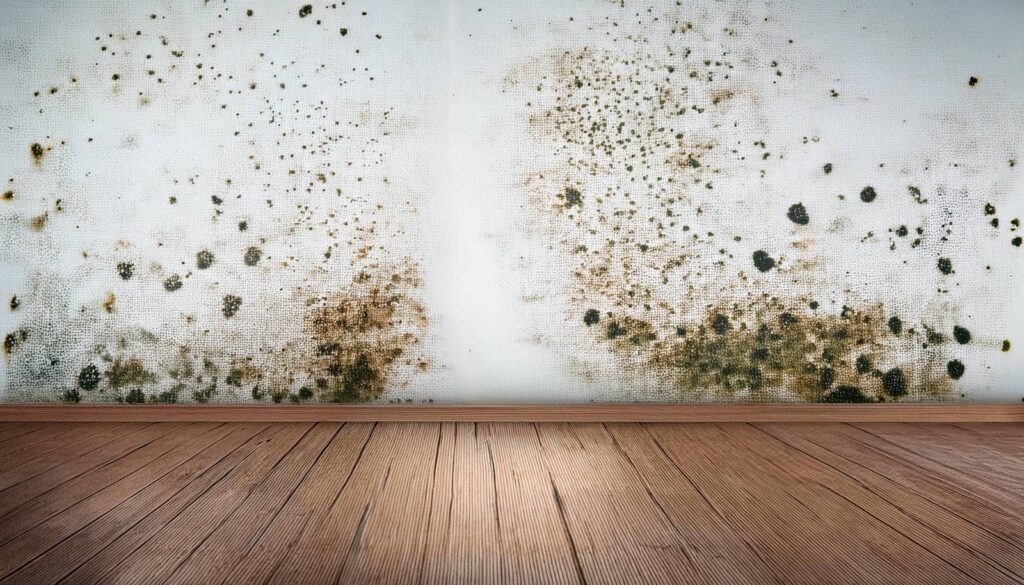
Pay attention to visible signs, like dark spots or fuzzy patches on walls and ceilings, which may signal specific mold types, such as black mold or mildew. Musty odors often accompany these visual cues, indicating moisture problems.
Additionally, check for water stains or peeling paint, as they suggest high humidity levels conducive to mold growth. Inspect areas prone to leaks, like pipes and windows, and monitor humidity levels regularly; aim for below 60% to implement effective prevention strategies.
Health Risks Awareness
While mold may seem like a minor inconvenience, understanding its health risks is vital for homeowners who want to protect their families.
Mold exposure can lead to various health effects, primarily manifesting as respiratory issues, skin irritation, and even severe allergic reactions. If you or your loved ones have mold allergies, you might experience symptoms like sneezing, coughing, or itchy eyes when mold spores are present.
Children, the elderly, and those with pre-existing conditions are especially vulnerable. It’s important to recognize that even small mold infestations can trigger significant health problems.
Frequently Asked Questions
Can Mold Grow in Dry Basements?
Mold can indeed grow in dry basements if moisture control isn’t managed properly. Even small humidity levels can foster mold growth, so you need to monitor and maintain a dry environment to prevent issues.
How Quickly Can Mold Spread in Basements?
In ideal basement conditions, mold growth can start within 24 to 48 hours. You must monitor moisture levels closely, as small changes can lead to rapid spread, transforming a hidden issue into a significant problem.
Are All Mold Types Harmful to Health?
Not all mold types pose health risks, but some can trigger allergies and respiratory issues. It’s crucial to identify specific mold species in your environment to understand potential health implications and take necessary precautions.
What Are the Signs of Hidden Mold?
You’ll notice signs of hidden mold through musty odors, water stains, or unexplained allergy symptoms. Utilizing mold detection tools can help uncover these issues early, ensuring a healthier environment for you and your loved ones.
How Can I Prevent Mold Recurrence After Removal?
Once you’ve tackled that pesky mold, you’ll want to implement moisture control techniques and mold prevention strategies. Regularly check for leaks, improve ventilation, and maintain humidity below 60% to keep mold from returning.
Review
Effectively controlling mold in your basement hinges on moisture management and regular maintenance. By evaluating moisture sources, implementing ventilation, and using dehumidifiers, you can greatly reduce the risk. Don’t forget to clean affected areas and consider installing sump pumps and drainage systems. Staying proactive protects your home and safeguards your health from potential mold-related risks.
Recent Posts
What to Do for Urgent Cleanup
When urgent cleanup hits, you need to act fast and stay safe. You’ll first check
24/7 Storm Damage Repair Experts
When a storm hits, you need help fast, and you can’t afford to wait until
24/7 Emergency Water Damage Repair Guide
After a burst pipe soaks your basement at 2 a.m., you need 24/7 Emergency Water Damage Repair to