
Contents
When your basement starts smelling like sewage after a pipe bursts, you need help fast. You’ll want sewage cleanup experts who can locate the break, stop the leak, remove contaminated water, and repair the damaged pipe before mold and backups spread. The right crew also checks hidden damage and sanitation risks, but not every company handles both cleanup and pipe repairs the same way.
Key Takeaways
- Sewage cleanup experts inspect broken pipes, identify leak sources, and document damage for targeted repairs.
- Fast response limits sewage spread, health risks, and further damage to floors, walls, and nearby materials.
- Professionals contain contaminated areas, remove black water and solids, then disinfect all affected hard surfaces.
- Pipe repair restores proper flow, stops leaks at the source, and helps prevent future backups and odors.
- Choose a local restoration company with proper equipment, insurance, safety protocols, and strong customer reviews.
Signs You Need Broken Pipe Water Damage Repair
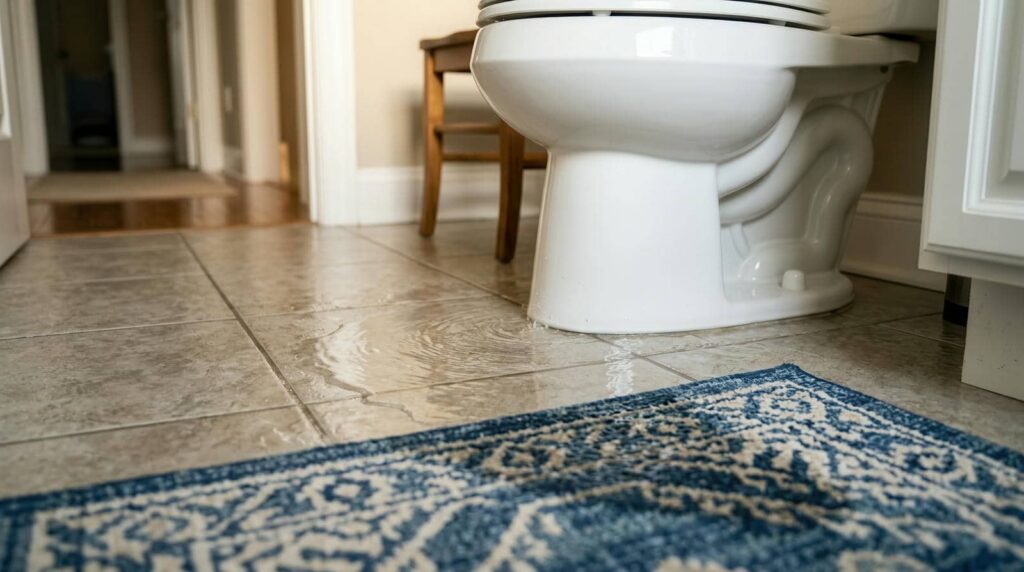
If you notice sudden water stains, peeling paint, musty odors, or damp flooring, you may need broken pipe water damage repair.
You should also watch for warped baseboards, unexplained puddles, or a drop in water pressure. These are common water damage indicators that tell you a pipe may be failing behind walls, under floors, or near fixtures.
Don’t ignore pipe leak symptoms like hissing sounds, warm spots on surfaces, or an unexpected increase in your bill.
You can protect your home and feel confident by acting quickly when these signs appear. A prompt inspection helps you limit structural damage and keep your living space safe, dry, and comfortable.
If you’re seeing several signs at once, trust your instincts and get professional help.
Emergency Sewage Removal Steps After a Pipe Burst
When a pipe bursts and sewage backs up, you need to act fast to stop further contamination and reduce health risks. First, shut off water to the affected area and keep people and pets out.
Put on gloves, boots, and a mask as safety precautions before touching anything. Then ventilate the space by opening windows and doors if it’s safe to do so.
Use an emergency response plan: remove standing water with a wet vacuum or pump rated for contaminated water, then collect soaked debris in sealed bags. Don’t use regular household tools that spread waste.
Disinfect hard surfaces with an approved cleaner, and wash hands thoroughly after every task. If the leak is extensive, call sewage cleanup experts right away so your home and crew stay protected.
How Sewage Cleanup Experts Handle Broken Pipes
You’ll first inspect the broken pipe to identify the damage, the leak source, and any affected materials.
Next, you’ll contain the sewage spill with barriers, extraction, and disinfection to stop it from spreading.
Then you’ll repair the pipe and restore the area so the system works safely again.
Pipe Damage Assessment
Before cleanup begins, sewage experts inspect the damaged pipe to locate the failure and determine how far contamination has spread. You’ll see them use pipe inspection techniques and leak detection methods to verify the break, map hidden moisture, and judge structural risk.
They check joints, bends, and access points, then compare visual findings with pressure and flow data. This helps your team avoid guesswork and choose repairs that fit the damage.
- Identify crack, joint, or collapse points
- Measure contamination spread inside the line
- Confirm active leaks and weak sections
- Document conditions for repair planning
- Guide your crew toward targeted fixes
You stay informed, your property gets a clear diagnosis, and the repair path becomes easier to trust.
Sewage Containment Steps
Once the break is confirmed, sewage cleanup experts isolate the affected line, stop further flow, and seal off contaminated areas to limit spread.
You’ll see them shut valves, plug drains, and divert wastewater so the site stays controlled. They set up sewage containment methods like absorbent socks, plastic sheeting, and negative-air isolation where needed.
These effective barriers protect nearby rooms, floors, and HVAC paths from cross-contamination. You stay informed while the crew marks safe access points and restricts foot traffic.
They also collect standing sewage, remove wet debris, and monitor for seepage along seams, joints, and low spots.
Every step focuses on keeping contamination contained, reducing exposure, and making sure your property remains stable until the next phase begins.
Repair And Restoration
After containment is secure, sewage cleanup experts inspect the broken pipe, trace the failure point, and decide whether they can repair it or need a full replacement.
You’ll get a clear plan that matches your system’s condition, with pipe maintenance priorities explained upfront. They cut out damaged sections, install approved fittings, seal joints, and pressure-test the line before reopening service.
If corrosion, root intrusion, or collapse has spread, they replace the segment and restore code-compliant flow.
Then they clean affected surfaces, dry hidden cavities, and apply restoration techniques to limit odor, staining, and microbial growth.
- Fast diagnosis
- Targeted pipe repair
- Full-segment replacement
- Sanitary drying
- Final quality checks
What Sewage Cleanup Pros Inspect in Your Home
When sewage cleanup pros inspect your home, they first check the source of the backup, the affected materials, and any signs that contamination has spread beyond the visible area.
You’ll see them note sewage odors, moisture lines, warped trim, and stained flooring. They use inspection tools, such as moisture meters, thermal cameras, and borescopes, to confirm where waste reached behind walls, under cabinets, and below subfloors.
They also test nearby drywall, insulation, and flooring for absorption and structural damage. In your space, they’ll map safe and unsafely contaminated zones so your household knows what needs removal, cleaning, or monitoring.
Their goal is to give you a clear, shared picture of what’s affected, so your cleanup team can work accurately and keep your home’s occupied areas safer.
How Pipe Repairs Prevent Future Sewer Backups
When you repair damaged pipes, you stop leaks at the source and keep wastewater from escaping into surrounding soil or walls.
You also restore proper flow, which reduces pressure buildup and helps sewage move through the line as designed.
Fixing Leak Sources
Fixing the source of a leak helps stop sewage backups before they start by restoring proper pipe flow and sealing weak points in the system.
You protect your property when you pair leak detection with targeted repair techniques that match the pipe’s condition. This approach keeps your system reliable and helps you feel confident with the rest of your building team.
- Locate hidden cracks fast
- Seal joints before seepage spreads
- Patch corrosion at the source
- Replace damaged sections cleanly
- Reduce repeat emergency calls
When you address the failure point directly, you limit wastewater escape, protect nearby materials, and lower the chance of another backup.
That’s the practical fix your crew can trust, and it keeps everyone working toward the same safe, sanitary result.
Restoring Proper Flow
Restoring proper flow starts with repairing restrictions, cracks, and sagging pipe sections that slow wastewater movement and create backup points.
You’ll notice better drainage once technicians clear buildup, realign offsets, and seal joints so waste can move without turbulence. These flow restoration techniques reduce pressure changes that push sewage back into fixtures.
When you choose targeted pipe repair, you’re also supporting drainage system optimization, because the line carries waste at the right slope and volume. That means fewer standing solids, less odor, and faster transfer to the main sewer.
You stay ahead of recurring backups by restoring pipe capacity before small defects spread. With the right repair plan, your system works like it should, and your property feels safer and more connected to a dependable network.
Preventing Line Collapse
Even a small crack or soft spot can spread under soil pressure and eventually trigger a line collapse, so timely pipe repairs are critical to keeping sewage moving and backups from returning. You protect your system by fixing defects early, sealing joints, and replacing weakened sections before they fail. That’s how you stop repeated blockages and protect nearby fixtures.
- Reduce structural stress
- Limit root intrusion
- Restore full pipe diameter
- Improve flow consistency
- Support line maintenance strategies
When you schedule pipe integrity assessments, you spot corrosion, offsets, and sagging before they turn into emergencies. You stay ahead with targeted repairs, and your crew or service team keeps your line stable, sanitary, and ready for long-term use.
How To Choose a Local Water Damage Restoration Company
When sewage or flood water damages your property, choose a local water damage restoration company that can respond fast and document the loss correctly.
You want a crew that knows your neighborhood, offers local services, and shows up with the right equipment. Check customer reviews for consistent marks on communication, cleanup quality, and respect for your home.
Ask whether they use moisture meters, thermal imaging, and written scope reports, so you can track the work clearly. Confirm they carry insurance, follow safety protocols, and explain pricing before any labor starts.
A good team should answer questions directly and keep you updated at each step. When you compare options this way, you’ll feel confident you’re choosing pros who fit your situation and treat your property like their own.
When To Call Sewage Cleanup Pros
If sewage backs up into your home or business, call cleanup pros right away. You shouldn’t wait if water reaches floors, walls, or HVAC vents. Fast response limits spread, protects your crew, and helps you return to normal sooner.
- You smell persistent sewage odor.
- You see black water or solids.
- You notice soaked drywall or insulation.
- You’ve got recurring drain backups.
- You need to reduce health hazards fast.
If cleanup needs exceed mop-and-bucket work, bring in trained technicians. They’ll isolate the area, remove contaminated materials, disinfect surfaces, and verify drying.
You’ll also get documentation for insurance and repairs. When in doubt, act early; that’s how you protect everyone and keep the workspace in your circle safe.
Frequently Asked Questions
How Long Do Sewage Cleanup Repairs Usually Take?
You’ll usually see sewage cleanup repairs take 1–7 days, depending on damage. Sewage contamination, drying, and inspections affect Repair timelines. You can expect faster completion if you’ve got quick access, containment, and plumbing replacements.
Can I Stay Home During Sewage Pipe Cleanup?
You can stay home only if the damage is minor and crews isolate the area. Sewage cleanup creates health risks, so protect home safety by sealing rooms, ventilating well, and following technicians’ instructions closely.
What Tools Do Experts Use for Pipe Location?
You’ll spot pipes like a skilled tracker using pipe detection technologies and advanced sonar systems. Experts also use electromagnetic locators, tracer wires, and inspection cameras, so you’re informed, included, and confident before repairs begin.
Does Insurance Cover Sewage Cleanup and Pipe Repairs?
Often, your insurance policies may cover sewage damage and pipe repairs if the damage is sudden and accidental. You should review exclusions, add endorsements, and document losses quickly to strengthen your claim.
How Often Should Sewer Lines Be Professionally Inspected?
You should schedule professional sewer line inspections every 1–2 years, or sooner if you notice backups. Following sewer maintenance tips helps you set smart inspection frequency, protect your home, and stay connected to a reliable community.
Final Thoughts
When you spot sewage odors, slow drains, or hidden water stains, don’t wait for the damage to spread. Call sewage cleanup pros fast so they can isolate the leak, remove contaminated materials, and restore safe conditions. Like a fire crew reaching the scene before the blaze climbs the walls, they’ll attack the problem at the source and keep it from returning. With the right pipe repairs, you can protect your home and avoid costly backups.
Recent Posts
How to Clean Up Pipe Damage Fast
When a pipe breaks, you need to act fast to limit structural damage and mold
Why Hire Pipe Damage Cleanup Experts?
You need fast cleanup, careful cleanup, and expert cleanup when pipe damage hits your home.
What Pipe Cleanup Experts Do Nearby
When a sewer line backs up in your basement after a heavy rain, nearby pipe